
World
Turkey Withdraws Bid for Doner Kebab Status, Ends Dispute with Germany

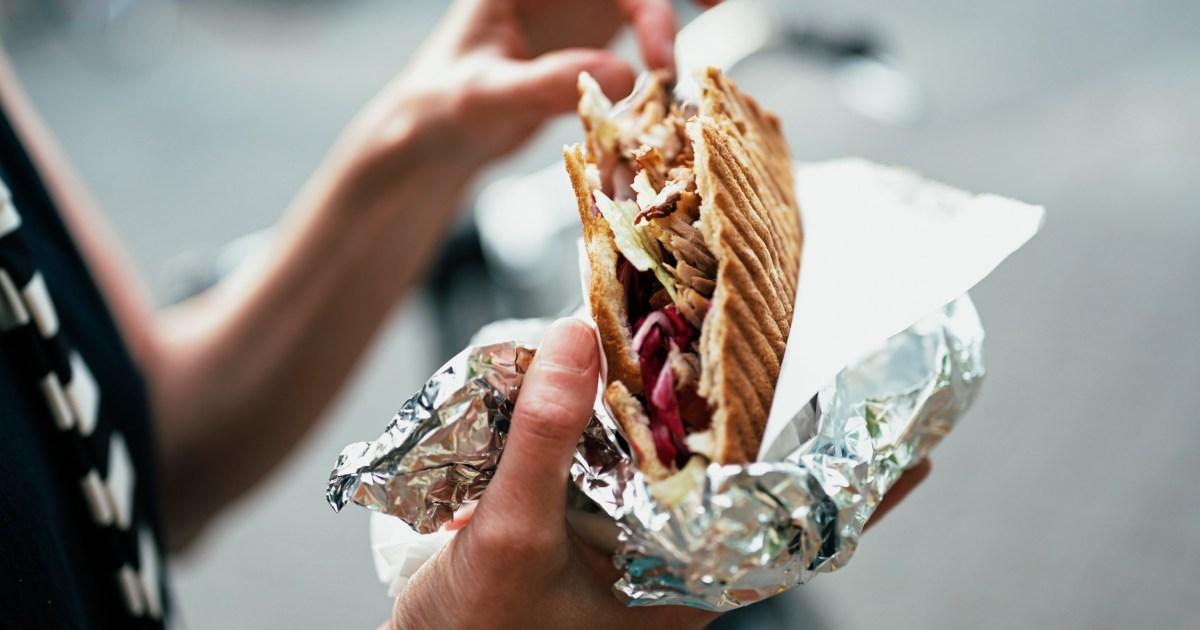
Turkey has officially abandoned its efforts to secure the designation of “Traditional Specialty Guaranteed” for doner kebabs, a move that would have imposed strict regulations on the dish throughout the European Union. This decision effectively resolves a long-standing dispute with Germany, where the doner kebab has become a staple of the culinary landscape.
The proposal aimed to protect the traditional preparation methods and ingredients of the doner kebab, which would have aligned it with similar protections enjoyed by French Champagne, Spanish Serrano ham, and Italian Neapolitan pizza. If successful, the regulations would have mandated specific ingredient types and serving methods, significantly impacting the kebab industry in Germany, where the dish has evolved distinctly from its Turkish origins.
Impact on the Doner Kebab Industry
Turkey’s proposal included precise specifications concerning the meat used in doner kebabs, stipulating that slices of beef and lamb must be cut to a thickness between 3mm and 5mm. Traditionally, doner kebabs are made by marinating meat in a blend of pepper, tomato puree, herbs, spices, salt, and yogurt. The meat is then arranged on a vertical skewer, rotated over a fire, and sliced thinly as it cooks.
In contrast, the German interpretation of the doner kebab often incorporates veal, served in flatbreads with a variety of vegetables such as red cabbage, pickles, and onions. This variance has led to a unique kebab culture in Germany, prompting significant pushback against Turkey’s attempt to impose its traditional standards.
According to the Association of Turkish Doner Producers, the doner kebab market in Europe is estimated to be worth approximately £2.9 billion annually. The abandonment of Turkey’s bid is seen as a relief for the German kebab industry, which has been thriving and evolving for decades.
Historical Context and Cultural Significance
The doner kebab has a rich history, gaining popularity in the UK during the 1940s as immigrants from Turkish, Cypriot, and Kurdish backgrounds introduced the dish. The first doner kebab shop in London opened in 1966, marking a significant moment in the evolution of British takeaway cuisine. Mahmut Aygun, credited with creating the modern doner kebab, is said to have popularized the practice of serving the meat in flatbread at his Berlin restaurant, ‘Hasir.’
While Turkish officials have argued that the doner kebab should be recognized as a national dish that spread to Europe through migration, Germany maintains that its unique version has become a part of its own national identity. Former German food and agriculture minister, Cem Özdemir, of Turkish descent, expressed that the doner “belongs to Germany,” highlighting the dish’s integration into German culture.
The German food and agriculture ministry previously acknowledged Turkey’s bid “with some astonishment.” Following the withdrawal, Erdogan Koc, spokesperson for the German Kebab Producers’ Association, expressed satisfaction with the outcome, stating, “We are pleased that the kebab variety in Germany has been preserved and can be expanded even further.”
As the dispute concludes, the doner kebab remains a beloved dish across Europe, reflecting a blend of cultural influences and local adaptations.

Cattle Showcases Thrive at RUAS Winter Fair 2023

UK and US Strike Zero Tariff Agreement on Pharmaceuticals

Maya Jama Stuns in Strapless Ensemble at Qatar Grand Prix

Russia and Saudi Arabia Launch Visa-Free Travel Agreement

ISOLDE Facility Marks 10 Years of Advancements in Nuclear Research

Voters Demand Resignation of Chancellor Rachel Reeves Over Tax Hikes

Shoppers Save 30% on Marks & Spencer’s Viral Velvet Dress

Health Campaigners Urge End to Smoking Exemption for Lounges

Charity Shop Surprise: Woman Finds Joggers Worth £2,000 for £8

Iconic 90s TV Show House Hits Market for £1.1 Million

Milk Bank Urges Mothers to Donate for Premature Babies’ Health

Alessia Russo Signs Long-Term Deal with Arsenal Ahead of WSL Season

Shoppers Flock to Discounted Neck Pillow on Amazon for Travel Comfort

Museums Body Critiques EHRC Proposals on Gender Facilities

Trump Visits Europe: Business, Politics, or Leisure?

Japanese Teen Sorato Shimizu Breaks U18 100m Record in 10 Seconds

Couple Shares Inspiring Love Story Defying Height Stereotypes

Anglian Water Raises Concerns Over Proposed AI Data Centre
-
 Entertainment2 months ago
Iconic 90s TV Show House Hits Market for £1.1 Million
-
 Lifestyle4 months ago
Milk Bank Urges Mothers to Donate for Premature Babies’ Health
-
 Sports3 months ago
Alessia Russo Signs Long-Term Deal with Arsenal Ahead of WSL Season
-
 Lifestyle4 months ago
Shoppers Flock to Discounted Neck Pillow on Amazon for Travel Comfort
-
 Politics4 months ago
Museums Body Critiques EHRC Proposals on Gender Facilities
-
 Business4 months ago
Trump Visits Europe: Business, Politics, or Leisure?
-
 Lifestyle4 months ago
Japanese Teen Sorato Shimizu Breaks U18 100m Record in 10 Seconds
-
 Politics4 months ago
Couple Shares Inspiring Love Story Defying Height Stereotypes
-
 World4 months ago
Anglian Water Raises Concerns Over Proposed AI Data Centre
-

 Sports4 months ago
Bournemouth Dominates Everton with 3-0 Victory in Premier League Summer Series
-

 World4 months ago
Wreckage of Missing Russian Passenger Plane Discovered in Flames
-

 Lifestyle4 months ago
Shoppers Rave About Roman’s £42 Midi Dress, Calling It ‘Elegant’