
Sports
English Football Clubs to Require Licences from 2027-28

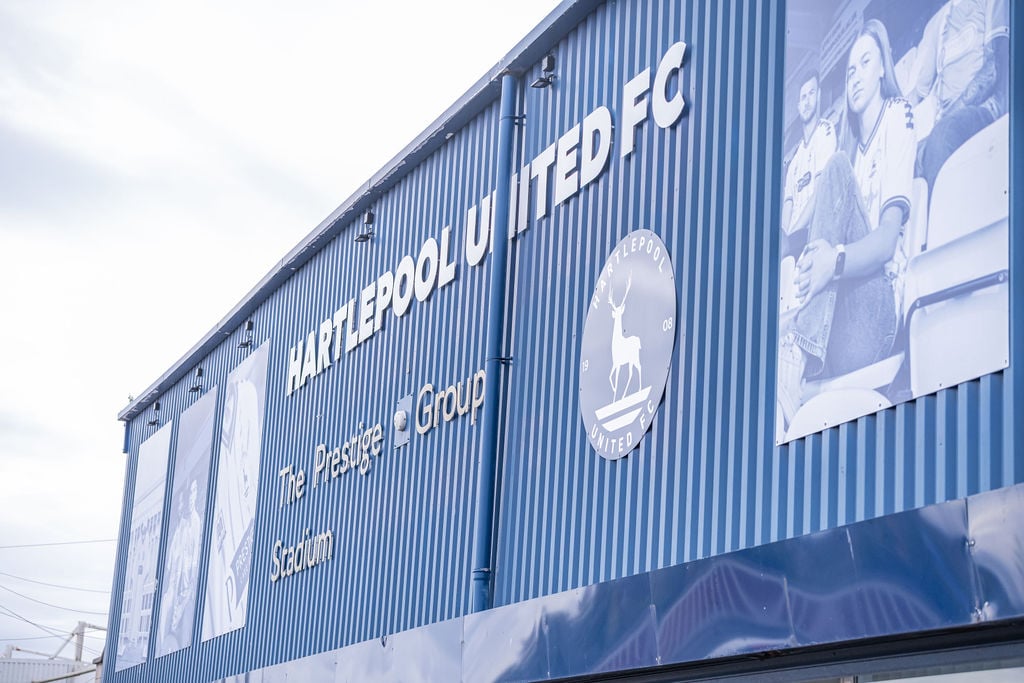
All clubs in the top five tiers of men’s football in England will need to obtain a licence to compete starting from the 2027-28 season. This requirement, announced by the new Independent Football Regulator (IFR), aims to enhance financial stability and governance within the sport.
The IFR’s new licensing system mandates that clubs demonstrate the soundness of their financial plans, engage with supporters, and meet corporate governance standards to secure a provisional licence. This initiative reflects recommendations stemming from the 2021 fan-led review of football, which emphasized the need for greater accountability and sustainability in the sport.
New Licensing Process and Timeline
Beginning in the 2026-27 season, the 116 clubs within the Premier League, English Football League (EFL), and step one of the National League will be required to apply for provisional licences. The IFR states that this new regime will surpass existing measures by taking a comprehensive view of a club’s financial health and adopting a preventative, risk-based approach.
A pilot scheme for selected clubs is set to be implemented next summer, leading to a full application window that will run from November 2026 to February 2027. Licences will be issued prior to the annual general meetings of the leagues, ensuring clarity regarding which clubs are eligible to compete.
For clubs seeking promotion to step one of the National League, a separate application window will be open from early March to the end of April 2027. This timeline ensures that newly promoted clubs are also subject to IFR requirements.
Conditions for Obtaining a Licence
To obtain a provisional licence, clubs must submit several key documents, including a personnel statement detailing the ultimate owner, a strategic business plan, and proof of compliance with mandatory licence conditions. These conditions include presenting a financial plan, a corporate governance statement, and maintaining regular engagement with fans on pertinent issues.
The IFR will monitor clubs to ensure they meet these conditions consistently. A provisional licence may last up to three years, with the possibility of extension if required. Each club will have an assigned supervisor to assist with any queries throughout the licensing process.
In instances where clubs fail to demonstrate sound financial management, the IFR possesses the authority to impose requirements aimed at improving day-to-day financial operations, increasing cash reserves, controlling costs, or reducing debt.
David Kogan, chair of the IFR, commented on this significant development, stating, “This latest consultation sets out the new requirements clubs will have to meet on financial regulation, fan consultation, and corporate governance. This is a transformational change for football, and we will support clubs at every step to reinforce these higher standards.”
The implementation of this licensing system marks a pivotal shift in English football, aiming to safeguard the future of the sport while ensuring clubs operate responsibly and transparently.

Moyes Faces Referee Controversy Ahead of Everton vs Chelsea Clash

Man Hospitalised After Assault Outside Shop in Sandwell

Fred MacAulay and Ally McCoist Reunite for Special World Cup Show

NoOnes Targets $1 Trillion Gift Card Market to Enhance Crypto Access

Beloved Actor Matt Clark Passes Away at 89, Fans Mourn Loss

Discover How Milk Thistle Supplements Enhance Liver Health

Irish Community Care Celebrates 60 Years of Support in Liverpool

New Affordable Housing Development Planned for Crawley Site

Millions of Parking Tickets Issued Amid Calls for Reform

Claire Tomlinson Bids Farewell to Sky Sports After 27 Years

Iconic 90s TV Show House Hits Market for £1.1 Million

Nathan Cleary’s Family Celebrates Engagement Amid Romance Rumors

Tributes Flow for Kerry Gentle, Beloved RNLI Volunteer and Artist

Milk Bank Urges Mothers to Donate for Premature Babies’ Health

Shoppers Flock to Discounted Neck Pillow on Amazon for Travel Comfort

Alessia Russo Signs Long-Term Deal with Arsenal Ahead of WSL Season

Nuneaton Town FC Advances Plans for New Stadium in Stockingford

Exploring England’s Cathedrals: A Journey Through History and Architecture
-
 Lifestyle8 months ago
Claire Tomlinson Bids Farewell to Sky Sports After 27 Years
-
 Entertainment11 months ago
Iconic 90s TV Show House Hits Market for £1.1 Million
-
 Sports1 year ago
Nathan Cleary’s Family Celebrates Engagement Amid Romance Rumors
-
 Lifestyle8 months ago
Tributes Flow for Kerry Gentle, Beloved RNLI Volunteer and Artist
-
 Lifestyle1 year ago
Milk Bank Urges Mothers to Donate for Premature Babies’ Health
-
 Lifestyle1 year ago
Shoppers Flock to Discounted Neck Pillow on Amazon for Travel Comfort
-
 Sports12 months ago
Alessia Russo Signs Long-Term Deal with Arsenal Ahead of WSL Season
-
 Sports9 months ago
Nuneaton Town FC Advances Plans for New Stadium in Stockingford
-
 Lifestyle1 year ago
Exploring England’s Cathedrals: A Journey Through History and Architecture
-

 Politics1 year ago
Museums Body Critiques EHRC Proposals on Gender Facilities
-

 Business1 year ago
Trump Visits Europe: Business, Politics, or Leisure?
-

 Lifestyle1 year ago
Japanese Teen Sorato Shimizu Breaks U18 100m Record in 10 Seconds