
Science
UK Strives for Rare Earth Independence Amid China’s Dominance

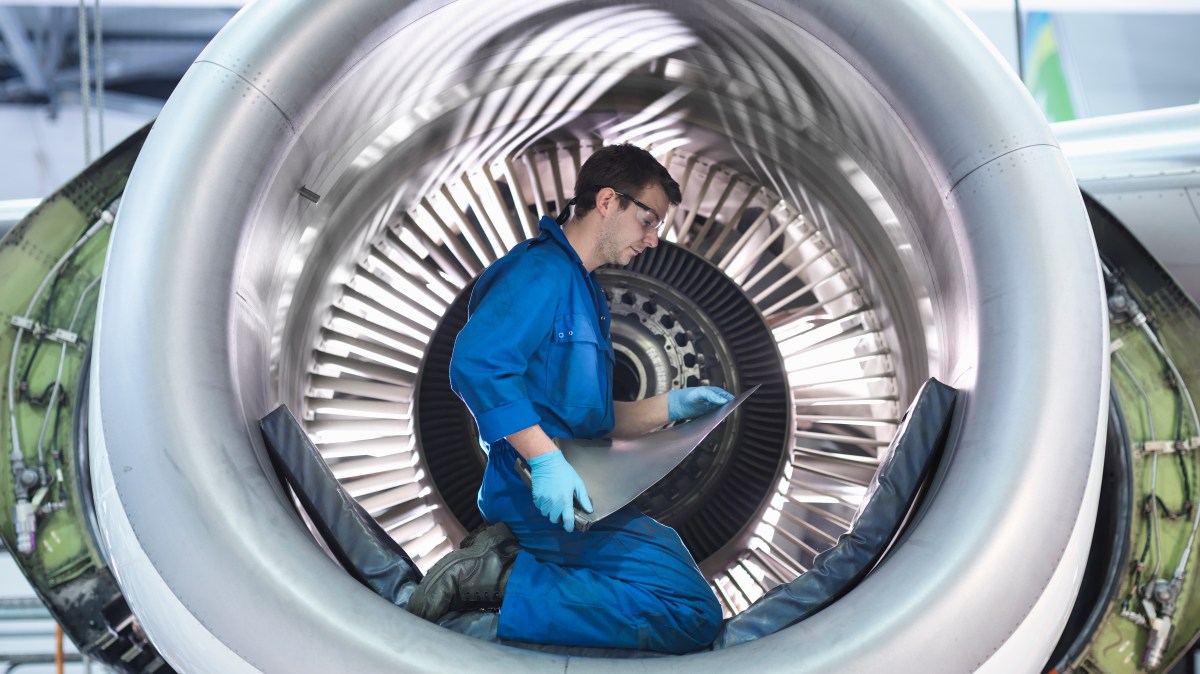
The United Kingdom is stepping up efforts to secure its own supply of rare earth metals, essential components in the production of modern technology. Currently, China dominates the refining process of these critical minerals, which has raised concerns about the UK’s reliance on a single nation for materials vital to various industries, including electronics and renewable energy.
As the demand for rare earth metals continues to surge, the UK government is exploring ways to develop domestic sources and diversify its supply chains. This initiative is seen as crucial not only for economic stability but also for national security, particularly in light of geopolitical tensions.
Understanding the Importance of Rare Earth Metals
Rare earth metals, which include elements such as neodymium and dysprosium, play a critical role in various technological applications. They are essential for the production of electric vehicle motors, wind turbines, and smartphones. According to a report from the UK’s Department for Business and Trade, the global market for rare earths is projected to reach approximately $20 billion by 2025, highlighting the strategic importance of these resources.
Currently, China accounts for over 60% of the world’s production of rare earth metals and an even larger share of their processing. This concentration gives China significant leverage in the global supply chain, prompting concerns among Western nations about long-term supply security. The UK, in particular, recognizes the need to develop its own capabilities to mitigate risks associated with overreliance on foreign sources.
Government Initiatives and Industry Collaboration
In response to these challenges, the UK government has initiated several programs aimed at bolstering its rare earth supply chain. In March 2024, officials announced an investment of £10 million to support research and development in rare earth extraction technologies. This funding aims to encourage innovation in environmentally sustainable methods of mining and processing.
Additionally, the UK is fostering partnerships with industry leaders and academic institutions to advance its rare earth capabilities. Companies such as British Lithium and UK Research and Innovation are actively involved in projects focused on developing domestic sources of lithium and other critical minerals. Such collaborations are essential for ensuring that the UK can compete globally in the race for rare earths.
The potential benefits of establishing a robust domestic supply chain extend beyond economic factors. Enhanced local production can lead to job creation and technological advancements, positioning the UK as a leader in the green technology sector.
As the shift towards renewable energy sources accelerates, the demand for rare earth metals is expected to grow. The UK government is keenly aware that taking proactive steps now will be instrumental in securing a sustainable future for its industries and for the environment.
In conclusion, the UK’s ambition to reduce dependency on Chinese rare earth metals reflects a broader trend among Western nations seeking to reclaim control over critical supply chains. By investing in domestic production and fostering innovation, the UK aims to assert its position in the global market, ensuring that it is not left behind in the technological advancements shaping the future.

Cattle Showcases Thrive at RUAS Winter Fair 2023

UK and US Strike Zero Tariff Agreement on Pharmaceuticals

Maya Jama Stuns in Strapless Ensemble at Qatar Grand Prix

Russia and Saudi Arabia Launch Visa-Free Travel Agreement

ISOLDE Facility Marks 10 Years of Advancements in Nuclear Research

Voters Demand Resignation of Chancellor Rachel Reeves Over Tax Hikes

Shoppers Save 30% on Marks & Spencer’s Viral Velvet Dress

Health Campaigners Urge End to Smoking Exemption for Lounges

Charity Shop Surprise: Woman Finds Joggers Worth £2,000 for £8

Iconic 90s TV Show House Hits Market for £1.1 Million

Milk Bank Urges Mothers to Donate for Premature Babies’ Health

Alessia Russo Signs Long-Term Deal with Arsenal Ahead of WSL Season

Shoppers Flock to Discounted Neck Pillow on Amazon for Travel Comfort

Museums Body Critiques EHRC Proposals on Gender Facilities

Trump Visits Europe: Business, Politics, or Leisure?

Japanese Teen Sorato Shimizu Breaks U18 100m Record in 10 Seconds

Couple Shares Inspiring Love Story Defying Height Stereotypes

Anglian Water Raises Concerns Over Proposed AI Data Centre
-
 Entertainment2 months ago
Iconic 90s TV Show House Hits Market for £1.1 Million
-
 Lifestyle4 months ago
Milk Bank Urges Mothers to Donate for Premature Babies’ Health
-
 Sports3 months ago
Alessia Russo Signs Long-Term Deal with Arsenal Ahead of WSL Season
-
 Lifestyle4 months ago
Shoppers Flock to Discounted Neck Pillow on Amazon for Travel Comfort
-
 Politics4 months ago
Museums Body Critiques EHRC Proposals on Gender Facilities
-
 Business4 months ago
Trump Visits Europe: Business, Politics, or Leisure?
-
 Lifestyle4 months ago
Japanese Teen Sorato Shimizu Breaks U18 100m Record in 10 Seconds
-
 Politics4 months ago
Couple Shares Inspiring Love Story Defying Height Stereotypes
-
 World4 months ago
Anglian Water Raises Concerns Over Proposed AI Data Centre
-

 Sports4 months ago
Bournemouth Dominates Everton with 3-0 Victory in Premier League Summer Series
-

 World4 months ago
Wreckage of Missing Russian Passenger Plane Discovered in Flames
-

 Lifestyle4 months ago
Shoppers Rave About Roman’s £42 Midi Dress, Calling It ‘Elegant’