
Science
Study Reveals Covid-19 Vaccine Safer for Youth than Virus Itself

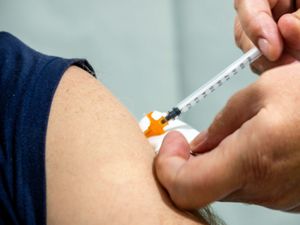
A comprehensive study has confirmed that the Pfizer-BioNTech Covid-19 vaccine poses significantly fewer risks to children and young people than the virus itself. Conducted by researchers at UCL, the University of Cambridge, and the University of Edinburgh, this study utilized health records from 13.9 million children under the age of 18, covering the period from January 1, 2020, to December 31, 2022.
During this timeframe, approximately 3.9 million children were diagnosed with Covid-19, while around 3.4 million received the first dose of the vaccine, primarily administered to individuals aged five to 18. The findings indicate that complications following Covid-19 infection persisted for a much longer duration compared to those resulting from vaccination.
Key Findings on Health Risks
The study focused on the risk of rare complications such as myocarditis (inflammation of the heart muscle), pericarditis (inflammation of the lining around the heart), thrombocytopenia (low platelet levels), and various types of thrombosis (blood clots). Researchers discovered that children and young people faced a heightened risk of these conditions for up to 12 months after contracting Covid-19. In contrast, the risk of myocarditis or pericarditis was elevated for only four weeks following vaccination. The overall risk of developing these complications after receiving the vaccine was “substantially lower” than that observed after infection with the virus.
Dr. Alexia Sampri from the University of Cambridge stated, “Our whole-population study during the pandemic showed that although these conditions were rare, children and young people were more likely to experience heart, vascular, or inflammatory problems after a Covid-19 infection than after having the vaccine – and the risks after infection lasted much longer.”
The research estimates that Covid-19 infections resulted in an additional 2.24 cases of myocarditis or pericarditis per 100,000 children and young people over six months, while this figure dropped to 0.85 additional cases per 100,000 among vaccinated individuals.
Implications for Parents and Caregivers
The study also evaluated inflammatory conditions such as paediatric inflammatory multi-system syndrome (PIMS) and Kawasaki disease. Researchers found that the risk of inflammatory conditions was approximately 15 times higher in the weeks following a Covid-19 diagnosis, with this increased risk persisting for several months. Conversely, the risks associated with vaccination appeared to be lower than typical background levels, likely reflecting the protective benefits of immunization.
Professor Pia Hardelid from UCL emphasized the importance of this research, stating, “Parents and carers have faced difficult choices throughout the pandemic. By building a stronger evidence base on both infection and vaccination outcomes, we hope to support families and healthcare professionals to make decisions grounded in the best available data.”
Co-author Professor Angela Wood from the University of Cambridge highlighted the necessity for reliable health information for families: “Data from hospitals and GP practices are an important part of the picture because they tell us all what has happened to people looked after in the NHS.”
The findings, published in The Lancet Child and Adolescent Health, are deemed crucial for policymakers and caregivers considering vaccination for children. The research supports the public health strategy of Covid-19 vaccination among young individuals, aiming to mitigate the more frequent and persistent risks associated with Covid-19 infection.
Professor Wood further noted, “While vaccine-related risks are likely to remain rare and short-lived, future risks following infection could change as new variants emerge and immunity shifts. That’s why whole-population health data monitoring remains essential to guide vaccine and other important public health decisions.”
This study serves as a significant contribution to the ongoing dialogue about the safety and efficacy of Covid-19 vaccinations in children and young people, providing valuable insights for families navigating these health decisions.

KENJI Opens First Scottish Store in Silverburn on December 13

Leaked Video Reveals Chinese General’s Defiance During 1989 Crackdown

Scientists Uncover Mechanism Behind Cellular Aging Process

Chiefs Fans Urge Patrick Mahomes to Rally Team with Meeting

Porn Star Sentenced for Contracting Hit on Child’s Father

KENJI Launches First Scottish Store at Silverburn on December 13

Cattle Showcases Thrive at RUAS Winter Fair 2023

UK and US Strike Zero Tariff Agreement on Pharmaceuticals

Maya Jama Stuns in Strapless Ensemble at Qatar Grand Prix

Iconic 90s TV Show House Hits Market for £1.1 Million

Milk Bank Urges Mothers to Donate for Premature Babies’ Health

Alessia Russo Signs Long-Term Deal with Arsenal Ahead of WSL Season

Shoppers Flock to Discounted Neck Pillow on Amazon for Travel Comfort

Museums Body Critiques EHRC Proposals on Gender Facilities

Trump Visits Europe: Business, Politics, or Leisure?

Japanese Teen Sorato Shimizu Breaks U18 100m Record in 10 Seconds

Couple Shares Inspiring Love Story Defying Height Stereotypes

Anglian Water Raises Concerns Over Proposed AI Data Centre
-
 Entertainment2 months ago
Iconic 90s TV Show House Hits Market for £1.1 Million
-
 Lifestyle4 months ago
Milk Bank Urges Mothers to Donate for Premature Babies’ Health
-
 Sports3 months ago
Alessia Russo Signs Long-Term Deal with Arsenal Ahead of WSL Season
-
 Lifestyle4 months ago
Shoppers Flock to Discounted Neck Pillow on Amazon for Travel Comfort
-
 Politics4 months ago
Museums Body Critiques EHRC Proposals on Gender Facilities
-
 Business4 months ago
Trump Visits Europe: Business, Politics, or Leisure?
-
 Lifestyle4 months ago
Japanese Teen Sorato Shimizu Breaks U18 100m Record in 10 Seconds
-
 Politics4 months ago
Couple Shares Inspiring Love Story Defying Height Stereotypes
-
 World4 months ago
Anglian Water Raises Concerns Over Proposed AI Data Centre
-

 Sports4 months ago
Bournemouth Dominates Everton with 3-0 Victory in Premier League Summer Series
-

 World4 months ago
Wreckage of Missing Russian Passenger Plane Discovered in Flames
-

 Lifestyle4 months ago
Shoppers Rave About Roman’s £42 Midi Dress, Calling It ‘Elegant’