
Lifestyle
Unpacking Holiday Trends: What Your Tree Decorations Reveal

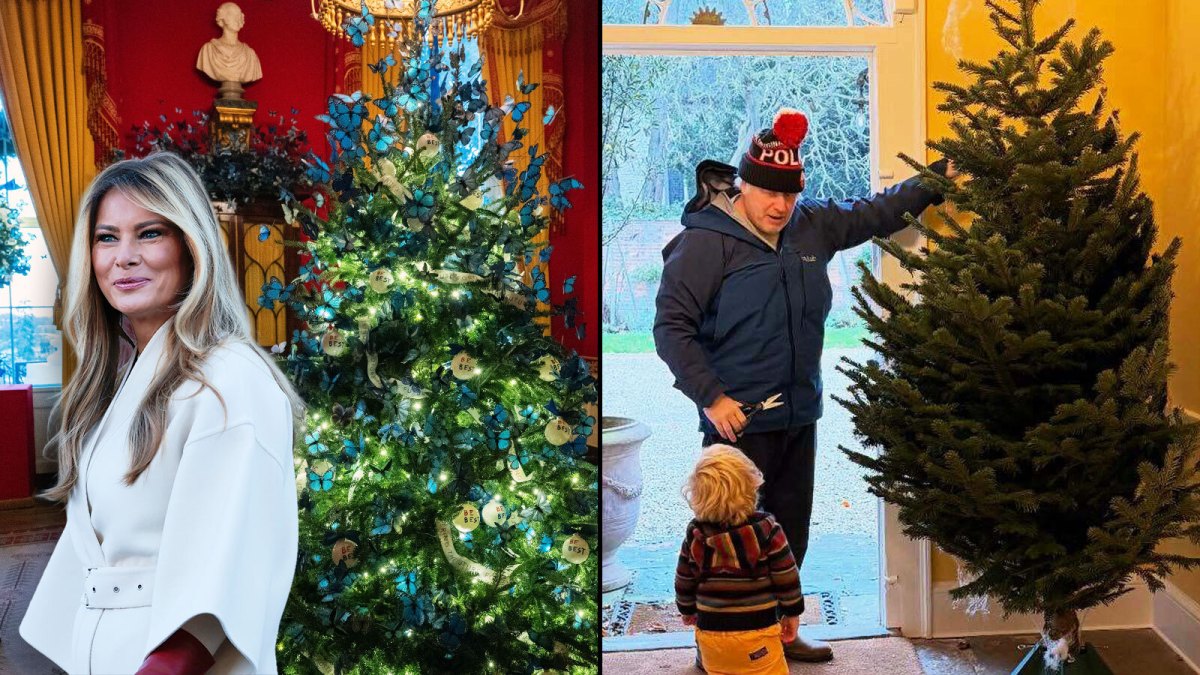
As the festive season approaches, holiday decorations offer a glimpse into personal styles and preferences. Recent insights suggest that the choices individuals make, particularly in Christmas tree ornaments, reflect deeper aspects of their identities. Notably, former First Lady Melania Trump has drawn attention for her unique selection of decorations featuring blue butterflies, stirring discussions on social media about the meanings behind various ornament choices.
The decorations on a Christmas tree can serve as an expression of values, interests, and lifestyle choices. For instance, some may opt for traditional ornaments, such as Santa baubles, while others might choose more contemporary symbols, like yoga figures. This trend suggests a broader cultural shift in how people celebrate the holidays, moving beyond conventional aesthetics to embrace personalized narratives.
Symbolism in Seasonal Decor
According to cultural experts, the ornaments individuals choose can symbolize their beliefs and priorities. The use of specific themes, such as nature or wellness, reflects personal philosophies. For example, a tree adorned with yoga-related ornaments signifies a focus on mindfulness and health, while classic designs may emphasize nostalgia and tradition.
The conversation surrounding these decorations is not merely superficial. Charlie Gowans-Eglinton, a lifestyle commentator, notes that “the choices people make in their holiday decorations can reveal much about their personal journeys and values.” This perspective invites deeper reflection on how holiday traditions are evolving in contemporary society.
In the United States, the popularity of specific ornament styles has seen significant increases in recent years. Data suggests that sales of non-traditional decor, such as handmade or artisanal ornaments, have risen by 30% compared to previous years. This shift illustrates a growing trend towards customization and individuality during the holiday season.
The Impact of Social Media
Social media platforms have played a vital role in shaping holiday decoration trends. Platforms like Instagram and Pinterest allow users to share their unique decor styles, influencing others and encouraging creativity. The visual nature of these platforms means that innovative or unusual decorations, like those chosen by Melania Trump, can gain rapid popularity and spark broader conversations about personal expression.
The trend of showcasing holiday decor online is not limited to celebrities. Influencers and everyday users alike are embracing this opportunity to share their festive styles, further promoting the idea that Christmas decorations can be a form of personal storytelling. With hashtags dedicated to holiday decor, individuals find community and inspiration through shared experiences.
Ultimately, the decorations chosen for a Christmas tree serve as a canvas for self-expression, allowing individuals to showcase their unique identities during the holiday season. As traditions evolve, the ornaments on display may reveal more about cultural shifts and personal narratives than ever before. This festive season, whether opting for blue butterflies, yoga figures, or classic Santa baubles, individuals are crafting their stories, one decoration at a time.

Moyes Faces Referee Controversy Ahead of Everton vs Chelsea Clash

Man Hospitalised After Assault Outside Shop in Sandwell

Fred MacAulay and Ally McCoist Reunite for Special World Cup Show

NoOnes Targets $1 Trillion Gift Card Market to Enhance Crypto Access

Beloved Actor Matt Clark Passes Away at 89, Fans Mourn Loss

Discover How Milk Thistle Supplements Enhance Liver Health

Irish Community Care Celebrates 60 Years of Support in Liverpool

New Affordable Housing Development Planned for Crawley Site

Millions of Parking Tickets Issued Amid Calls for Reform

Claire Tomlinson Bids Farewell to Sky Sports After 27 Years

Iconic 90s TV Show House Hits Market for £1.1 Million

Nathan Cleary’s Family Celebrates Engagement Amid Romance Rumors

Tributes Flow for Kerry Gentle, Beloved RNLI Volunteer and Artist

Milk Bank Urges Mothers to Donate for Premature Babies’ Health

Shoppers Flock to Discounted Neck Pillow on Amazon for Travel Comfort

Alessia Russo Signs Long-Term Deal with Arsenal Ahead of WSL Season

Nuneaton Town FC Advances Plans for New Stadium in Stockingford

Exploring England’s Cathedrals: A Journey Through History and Architecture
-
 Lifestyle8 months ago
Claire Tomlinson Bids Farewell to Sky Sports After 27 Years
-
 Entertainment11 months ago
Iconic 90s TV Show House Hits Market for £1.1 Million
-
 Sports1 year ago
Nathan Cleary’s Family Celebrates Engagement Amid Romance Rumors
-
 Lifestyle8 months ago
Tributes Flow for Kerry Gentle, Beloved RNLI Volunteer and Artist
-
 Lifestyle1 year ago
Milk Bank Urges Mothers to Donate for Premature Babies’ Health
-
 Lifestyle1 year ago
Shoppers Flock to Discounted Neck Pillow on Amazon for Travel Comfort
-
 Sports12 months ago
Alessia Russo Signs Long-Term Deal with Arsenal Ahead of WSL Season
-
 Sports9 months ago
Nuneaton Town FC Advances Plans for New Stadium in Stockingford
-
 Lifestyle1 year ago
Exploring England’s Cathedrals: A Journey Through History and Architecture
-

 Politics1 year ago
Museums Body Critiques EHRC Proposals on Gender Facilities
-

 Business1 year ago
Trump Visits Europe: Business, Politics, or Leisure?
-

 Lifestyle1 year ago
Japanese Teen Sorato Shimizu Breaks U18 100m Record in 10 Seconds