
Health
Protein Trends Revolutionize Active Nutrition Market in 2026

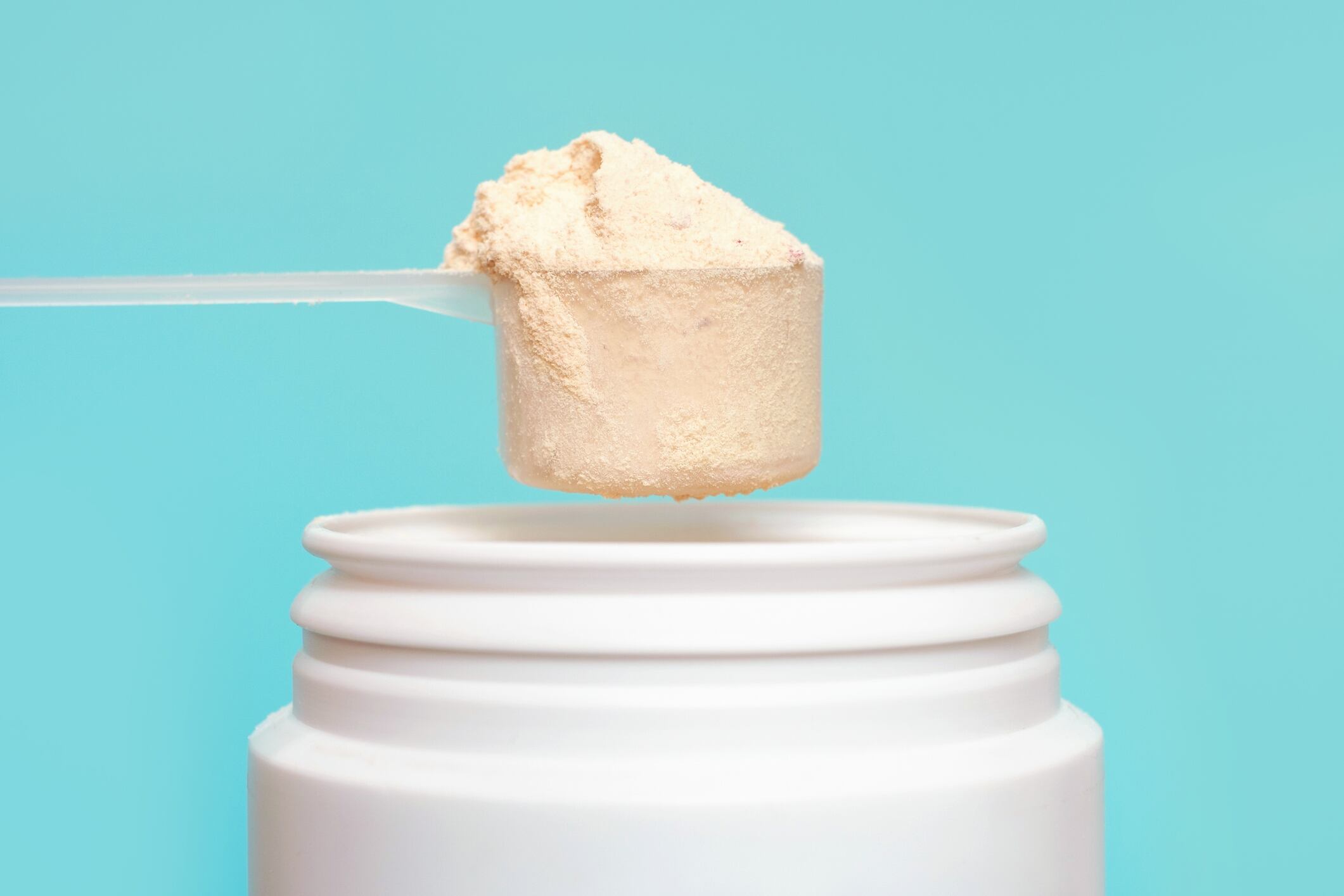
The landscape of active nutrition is undergoing a significant transformation as protein emerges as a key player in consumer health and wellness. In 2025, sales of protein supplements and meal replacements surged, generating an impressive $8.6 billion in revenue, according to market intelligence firm SPINS. Year-over-year growth was notable, with unit sales rising by 13% and dollar sales by 12.4%. This trend reflects a broader consumer shift towards active lifestyles and the increasing popularity of protein-rich products.
Shifting Consumption Patterns and Innovative Formats
As consumers become more health-conscious, the ways in which protein is consumed are evolving. No longer restricted to traditional formats like powders, protein is now integrated into various food and beverage categories. SPINS data indicates growth in high-protein snacks, bar alternatives, and innovative products such as clear protein and protein gels. Among these, ready-to-drink (RTD) beverages are capturing significant market interest.
The RTD segment has shown remarkable growth, with sales increasing from $6 billion in 2023 to $7.6 billion in 2025, marking a compound annual growth rate (CAGR) of 13% over the past two years. Approximately 40% of households in the United States now purchase some form of RTD drinks. This format’s success is largely driven by habitual consumption, with around 75% of consumers repeatedly buying these beverages. Notably, clear protein RTD shakes saw the highest sales growth in 2025, rising by 34%.
In addition to RTDs, the snacking category is also adapting to incorporate protein, with products like cereal, chips, and cookies boasting 15 grams or more of protein per serving. The integration of protein into everyday snacks is indicative of a broader trend where convenience meets nutritional value.
Challenges for Traditional Protein Powders
While innovation is thriving, traditional formats such as protein powders remain influential in the market. Whey protein powder continues to dominate, holding a share of 43.3% and experiencing a year-over-year growth of 13.5%. However, this segment is not without its challenges. The price of whey protein powder is on the rise, having increased by approximately 8% from 2025 to 2026. This is attributed to structural supply constraints, rising processing costs, and increases in global whey protein isolate (WPI) and dry whey commodity prices.
Moreover, tariffs imposed by China on US whey exports temporarily alleviated pressure on the domestic market, but as inventories normalise, shelf prices are expected to rise further. Other protein categories, including plant-based options and non-whey animal proteins, have also experienced declines, with plant protein sales dropping by 6% year-over-year.
SPINS notes that the challenges faced by whey protein powders reflect broader trends in the food and beverage industry, where products like coffee and orange juice are also contending with increased production costs and sustained price inflation.
As the active nutrition market continues to evolve, the demand for protein-rich products is likely to remain strong. The adaptation of protein into innovative formats and mainstream consumption patterns suggests that this macronutrient will continue to play a crucial role in shaping the future of health and wellness.

Moyes Faces Referee Controversy Ahead of Everton vs Chelsea Clash

Man Hospitalised After Assault Outside Shop in Sandwell

Fred MacAulay and Ally McCoist Reunite for Special World Cup Show

NoOnes Targets $1 Trillion Gift Card Market to Enhance Crypto Access

Beloved Actor Matt Clark Passes Away at 89, Fans Mourn Loss

Discover How Milk Thistle Supplements Enhance Liver Health

Irish Community Care Celebrates 60 Years of Support in Liverpool

New Affordable Housing Development Planned for Crawley Site

Millions of Parking Tickets Issued Amid Calls for Reform

Claire Tomlinson Bids Farewell to Sky Sports After 27 Years

Iconic 90s TV Show House Hits Market for £1.1 Million

Tributes Flow for Kerry Gentle, Beloved RNLI Volunteer and Artist

Nathan Cleary’s Family Celebrates Engagement Amid Romance Rumors

Milk Bank Urges Mothers to Donate for Premature Babies’ Health

Shoppers Flock to Discounted Neck Pillow on Amazon for Travel Comfort

Alessia Russo Signs Long-Term Deal with Arsenal Ahead of WSL Season

Nuneaton Town FC Advances Plans for New Stadium in Stockingford

Museums Body Critiques EHRC Proposals on Gender Facilities
-
 Lifestyle7 months ago
Claire Tomlinson Bids Farewell to Sky Sports After 27 Years
-
 Entertainment10 months ago
Iconic 90s TV Show House Hits Market for £1.1 Million
-
 Lifestyle7 months ago
Tributes Flow for Kerry Gentle, Beloved RNLI Volunteer and Artist
-
 Sports12 months ago
Nathan Cleary’s Family Celebrates Engagement Amid Romance Rumors
-
 Lifestyle1 year ago
Milk Bank Urges Mothers to Donate for Premature Babies’ Health
-
 Lifestyle1 year ago
Shoppers Flock to Discounted Neck Pillow on Amazon for Travel Comfort
-
 Sports11 months ago
Alessia Russo Signs Long-Term Deal with Arsenal Ahead of WSL Season
-
 Sports9 months ago
Nuneaton Town FC Advances Plans for New Stadium in Stockingford
-
 Politics1 year ago
Museums Body Critiques EHRC Proposals on Gender Facilities
-

 Lifestyle1 year ago
Exploring England’s Cathedrals: A Journey Through History and Architecture
-

 Business1 year ago
Trump Visits Europe: Business, Politics, or Leisure?
-

 Lifestyle1 year ago
Japanese Teen Sorato Shimizu Breaks U18 100m Record in 10 Seconds