
Science
Millions of Parking Tickets Issued Amid Calls for Reform

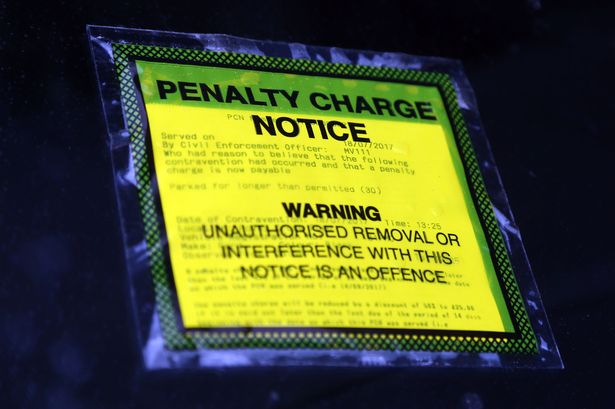
New research indicates that private parking companies have issued approximately 76 million parking tickets over the past seven years, highlighting significant concerns regarding the sector’s operations. This figure, calculated by the motoring research charity RAC Foundation, underscores issues within a system that has faced criticism for its practices.
In 2019, the Parking (Code of Practice) Bill received royal assent with the intent of establishing a code of conduct for private parking firms. This legislative move was prompted by numerous allegations of misleading signage, aggressive debt collection tactics, and excessive fees that many motorists have faced. One of the bill’s key provisions aimed to halve the cap on penalty charges, making most parking infringements £50. Although the code was set to become effective across Britain by the end of 2023, the Conservative government withdrew it in 2022 after encountering a legal challenge.
Following this, the current Labour government launched a new consultation regarding the implementation of a parking code last year. The RAC Foundation’s analysis revealed that between April 2019 and September 2023, private parking companies obtained records from the Driver and Vehicle Licensing Agency (DVLA) to pursue vehicle owners for alleged violations, totaling 68.4 million tickets. Since then, an additional eight million requests have been made.
Steve Gooding, director of the RAC Foundation, criticized the perception that the majority of the 48,000 motorists ticketed daily are deliberately violating parking rules. He stated, “No one denies there are some drivers who will always try it on, but the idea that the vast majority of the estimated 48,000 people who get ticketed daily set out to flout the rules is absurd. In this financial climate, who knowingly risks getting charged a penalty of typically £100? This suggests something fundamental is wrong with the system.”
Gooding urged government officials to reassess the considerable influence of the parking industry, which, while aiming to maximize revenue, has created a landscape that lacks fairness for drivers. He added, “Clearly, there are big issues facing the Government, but finally resetting the private parking landscape would bring a cheer from millions of motorists whilst still ensuring real offending is curtailed.”
A spokesperson from the Ministry of Housing, Communities and Local Government responded to these concerns, stating, “Motorists must be protected when using private car parks, and we are determined to drive up standards in the industry. We have run a consultation on this issue and will set out further details on the private parking code of practice as soon as possible.”
Isaac Occhipinti, head of external affairs at the British Parking Association, acknowledged the importance of updating the code of practice to reflect the current motoring environment. He emphasized the necessity of a new framework to address existing concerns and protect responsible drivers while deterring behaviors that negatively impact communities. “Parking charges act as a deterrent. When they are reduced, evidence shows that compliance falls, disruption rises, and more people ultimately receive charges,” he noted.
As these discussions unfold, the mounting statistics and ongoing public sentiment suggest that reform in the private parking sector may be increasingly urgent. The challenge remains for government officials to balance industry practices with the rights and protections of everyday motorists.

Moyes Faces Referee Controversy Ahead of Everton vs Chelsea Clash

Man Hospitalised After Assault Outside Shop in Sandwell

Fred MacAulay and Ally McCoist Reunite for Special World Cup Show

NoOnes Targets $1 Trillion Gift Card Market to Enhance Crypto Access

Beloved Actor Matt Clark Passes Away at 89, Fans Mourn Loss

Discover How Milk Thistle Supplements Enhance Liver Health

Irish Community Care Celebrates 60 Years of Support in Liverpool

New Affordable Housing Development Planned for Crawley Site

Millions of Parking Tickets Issued Amid Calls for Reform

Claire Tomlinson Bids Farewell to Sky Sports After 27 Years

Iconic 90s TV Show House Hits Market for £1.1 Million

Tributes Flow for Kerry Gentle, Beloved RNLI Volunteer and Artist

Nathan Cleary’s Family Celebrates Engagement Amid Romance Rumors

Milk Bank Urges Mothers to Donate for Premature Babies’ Health

Shoppers Flock to Discounted Neck Pillow on Amazon for Travel Comfort

Alessia Russo Signs Long-Term Deal with Arsenal Ahead of WSL Season

Nuneaton Town FC Advances Plans for New Stadium in Stockingford

Museums Body Critiques EHRC Proposals on Gender Facilities
-
 Lifestyle7 months ago
Claire Tomlinson Bids Farewell to Sky Sports After 27 Years
-
 Entertainment10 months ago
Iconic 90s TV Show House Hits Market for £1.1 Million
-
 Lifestyle7 months ago
Tributes Flow for Kerry Gentle, Beloved RNLI Volunteer and Artist
-
 Sports12 months ago
Nathan Cleary’s Family Celebrates Engagement Amid Romance Rumors
-
 Lifestyle1 year ago
Milk Bank Urges Mothers to Donate for Premature Babies’ Health
-
 Lifestyle1 year ago
Shoppers Flock to Discounted Neck Pillow on Amazon for Travel Comfort
-
 Sports11 months ago
Alessia Russo Signs Long-Term Deal with Arsenal Ahead of WSL Season
-
 Sports9 months ago
Nuneaton Town FC Advances Plans for New Stadium in Stockingford
-
 Politics1 year ago
Museums Body Critiques EHRC Proposals on Gender Facilities
-

 Lifestyle1 year ago
Exploring England’s Cathedrals: A Journey Through History and Architecture
-

 Business1 year ago
Trump Visits Europe: Business, Politics, or Leisure?
-

 Lifestyle1 year ago
Japanese Teen Sorato Shimizu Breaks U18 100m Record in 10 Seconds