
Science
Schools Embrace Virtual Volcanos and Earthquakes for Learning

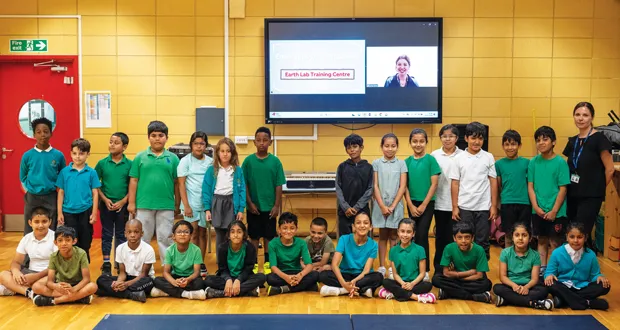
Educational institutions are leveraging technology to enhance learning experiences, particularly in earth sciences. Schools are increasingly adopting virtual reality (VR) tools that simulate volcanic eruptions and seismic activities, providing students with immersive educational experiences. This trend underscores a significant shift towards interactive learning methodologies.
According to Mina Patel from the National Video Conferencing Education Group, effective communication is essential during these virtual activities. “Virtual trip activities require a lot of live questioning, so the ability to be heard and seen clearly by the host is crucial,” Patel explained. Clear audio and visual capabilities are vital for fostering engagement and ensuring that students can interact meaningfully with the content.
These advancements in technology are particularly noteworthy in the United Kingdom, where schools are integrating virtual field trips into their curriculum. By utilizing VR, educators can take students on simulated excursions to active volcanoes or earthquake zones, allowing them to observe natural phenomena firsthand without leaving the classroom. This approach not only enhances understanding but also makes complex scientific concepts more accessible.
The benefits of virtual learning experiences extend beyond mere observation. Interactive elements allow students to engage in live discussions with experts, enhancing their learning process. This real-time interaction promotes critical thinking and inquiry, vital skills for students in today’s educational landscape.
As schools continue to explore innovative teaching methods, the adoption of virtual educational tools signifies a growing recognition of the importance of experiential learning in science education. The ability to visualize and interact with content can lead to deeper comprehension and retention among students.
Educators are optimistic about the future of virtual learning. Many believe that integrating technology into the classroom will not only enrich the curriculum but also prepare students for a world increasingly shaped by digital advancements. As more schools embrace these technologies, the landscape of education is poised for transformation, paving the way for a more engaging and effective learning environment.
In conclusion, the trend of utilizing virtual reality in education represents a significant step forward in teaching strategies. With support from organizations like the National Video Conferencing Education Group, schools are equipped to provide students with unique learning experiences that blend technology and education seamlessly.

Moyes Faces Referee Controversy Ahead of Everton vs Chelsea Clash

Man Hospitalised After Assault Outside Shop in Sandwell

Fred MacAulay and Ally McCoist Reunite for Special World Cup Show

NoOnes Targets $1 Trillion Gift Card Market to Enhance Crypto Access

Beloved Actor Matt Clark Passes Away at 89, Fans Mourn Loss

Discover How Milk Thistle Supplements Enhance Liver Health

Irish Community Care Celebrates 60 Years of Support in Liverpool

New Affordable Housing Development Planned for Crawley Site

Millions of Parking Tickets Issued Amid Calls for Reform

Claire Tomlinson Bids Farewell to Sky Sports After 27 Years

Iconic 90s TV Show House Hits Market for £1.1 Million

Tributes Flow for Kerry Gentle, Beloved RNLI Volunteer and Artist

Nathan Cleary’s Family Celebrates Engagement Amid Romance Rumors

Milk Bank Urges Mothers to Donate for Premature Babies’ Health

Shoppers Flock to Discounted Neck Pillow on Amazon for Travel Comfort

Alessia Russo Signs Long-Term Deal with Arsenal Ahead of WSL Season

Nuneaton Town FC Advances Plans for New Stadium in Stockingford

Museums Body Critiques EHRC Proposals on Gender Facilities
-
 Lifestyle7 months ago
Claire Tomlinson Bids Farewell to Sky Sports After 27 Years
-
 Entertainment10 months ago
Iconic 90s TV Show House Hits Market for £1.1 Million
-
 Lifestyle7 months ago
Tributes Flow for Kerry Gentle, Beloved RNLI Volunteer and Artist
-
 Sports12 months ago
Nathan Cleary’s Family Celebrates Engagement Amid Romance Rumors
-
 Lifestyle1 year ago
Milk Bank Urges Mothers to Donate for Premature Babies’ Health
-
 Lifestyle1 year ago
Shoppers Flock to Discounted Neck Pillow on Amazon for Travel Comfort
-
 Sports11 months ago
Alessia Russo Signs Long-Term Deal with Arsenal Ahead of WSL Season
-
 Sports9 months ago
Nuneaton Town FC Advances Plans for New Stadium in Stockingford
-
 Politics1 year ago
Museums Body Critiques EHRC Proposals on Gender Facilities
-

 Lifestyle12 months ago
Exploring England’s Cathedrals: A Journey Through History and Architecture
-

 Business1 year ago
Trump Visits Europe: Business, Politics, or Leisure?
-

 Lifestyle1 year ago
Japanese Teen Sorato Shimizu Breaks U18 100m Record in 10 Seconds