
World
Trump Withdraws National Guard from Major Cities Amid Crime Concerns

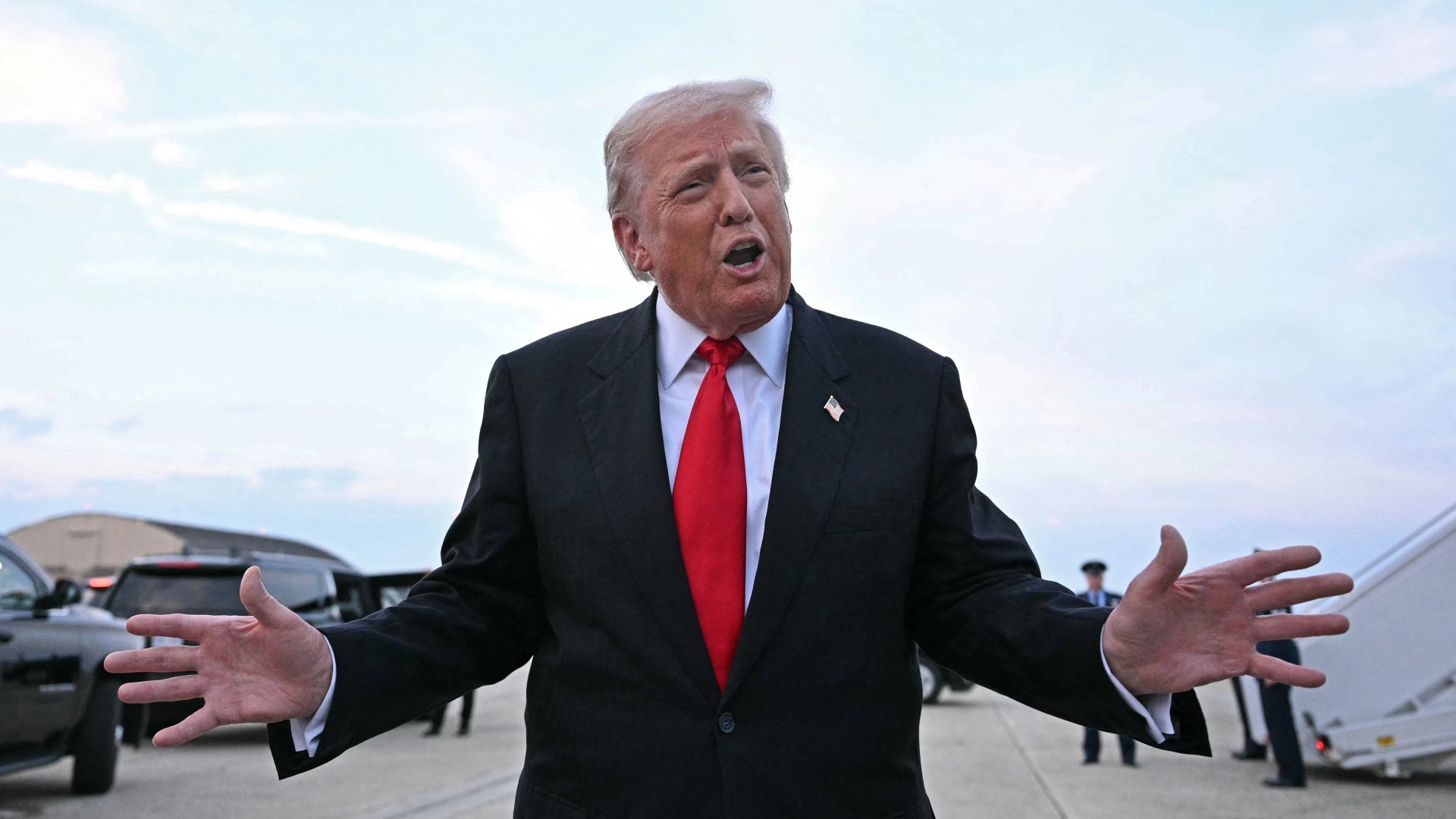
On December 31, 2025, President Donald Trump announced the withdrawal of National Guard troops from three major cities: Chicago, Los Angeles, and Portland. This decision marks a significant change in strategy, as the President cited a reduction in crime rates attributed to the presence of the troops. However, he warned that the National Guard could return if crime levels rise again.
In a post on his social media platform, Truth Social, Trump claimed, “We are removing the National Guard from Chicago, Los Angeles and Portland, despite the fact that CRIME has been greatly reduced by having these great Patriots in those cities.” He expressed skepticism about the local leadership, stating, “It is hard to believe that these Democrat Mayors and Governors, all of whom are greatly incompetent, would want us to leave, especially considering the great progress that has been made.”
The National Guard was initially deployed in early 2025 to assist Immigration and Customs Enforcement (ICE) agents amid escalating protests against immigration enforcement. The President authorized the deployment of 300 troops to Chicago after a violent incident involving Border Patrol agents and local demonstrators. The White House emphasized that the President “will not turn a blind eye to the lawlessness plaguing American cities.”
Legal challenges arose as federal courts, including the Supreme Court, ruled that Trump lacked the authority to deploy military personnel without meeting specific legal criteria, such as the need to quell a rebellion. The Supreme Court’s decision on December 23, which upheld restrictions on the Chicago deployment, effectively halted troop movements in Portland and Los Angeles as well.
Despite these legal hurdles, Trump’s administration maintained that the National Guard’s presence was essential for public safety. A statement from spokesperson Tricia McLaughlin detailed an incident where ICE agents were surrounded by vehicles and forced to return fire when one driver was found armed.
Local opposition to the National Guard’s presence has been significant. In October, U.S. District Judge Karin Immergut granted a temporary restraining order against the deployment in California and Oregon, reflecting ongoing tensions between federal enforcement actions and community responses.
The withdrawal of troops aligns with Trump’s narrative of combating crime but raises questions about the future of federal law enforcement in urban areas. The President hinted at a potential return of the National Guard, stating, “We will come back, perhaps in a much different and stronger form, when crime begins to soar again – only a question of time.”
As the situation evolves, the impact of this withdrawal on crime rates in these cities remains to be observed. The ongoing debate surrounding federal intervention in local law enforcement continues to be a contentious issue in American politics.

Moyes Faces Referee Controversy Ahead of Everton vs Chelsea Clash

Man Hospitalised After Assault Outside Shop in Sandwell

Fred MacAulay and Ally McCoist Reunite for Special World Cup Show

NoOnes Targets $1 Trillion Gift Card Market to Enhance Crypto Access

Beloved Actor Matt Clark Passes Away at 89, Fans Mourn Loss

Discover How Milk Thistle Supplements Enhance Liver Health

Irish Community Care Celebrates 60 Years of Support in Liverpool

New Affordable Housing Development Planned for Crawley Site

Millions of Parking Tickets Issued Amid Calls for Reform

Claire Tomlinson Bids Farewell to Sky Sports After 27 Years

Iconic 90s TV Show House Hits Market for £1.1 Million

Tributes Flow for Kerry Gentle, Beloved RNLI Volunteer and Artist

Milk Bank Urges Mothers to Donate for Premature Babies’ Health

Nathan Cleary’s Family Celebrates Engagement Amid Romance Rumors

Shoppers Flock to Discounted Neck Pillow on Amazon for Travel Comfort

Alessia Russo Signs Long-Term Deal with Arsenal Ahead of WSL Season

Museums Body Critiques EHRC Proposals on Gender Facilities

Nuneaton Town FC Advances Plans for New Stadium in Stockingford
-
 Lifestyle4 months ago
Claire Tomlinson Bids Farewell to Sky Sports After 27 Years
-
 Entertainment7 months ago
Iconic 90s TV Show House Hits Market for £1.1 Million
-
 Lifestyle4 months ago
Tributes Flow for Kerry Gentle, Beloved RNLI Volunteer and Artist
-
 Lifestyle9 months ago
Milk Bank Urges Mothers to Donate for Premature Babies’ Health
-
 Sports8 months ago
Nathan Cleary’s Family Celebrates Engagement Amid Romance Rumors
-
 Lifestyle9 months ago
Shoppers Flock to Discounted Neck Pillow on Amazon for Travel Comfort
-
 Sports7 months ago
Alessia Russo Signs Long-Term Deal with Arsenal Ahead of WSL Season
-
 Politics9 months ago
Museums Body Critiques EHRC Proposals on Gender Facilities
-
 Sports5 months ago
Nuneaton Town FC Advances Plans for New Stadium in Stockingford
-

 Business9 months ago
Trump Visits Europe: Business, Politics, or Leisure?
-

 Lifestyle9 months ago
Japanese Teen Sorato Shimizu Breaks U18 100m Record in 10 Seconds
-

 Lifestyle8 months ago
Exploring England’s Cathedrals: A Journey Through History and Architecture