
Business
Supermarkets Warn Shoppers as Severe Weather Approaches UK

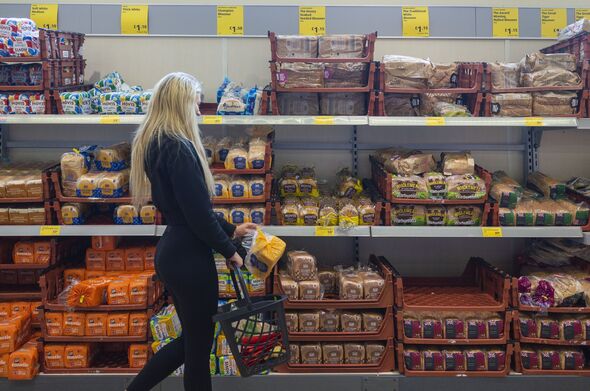
Supermarket shoppers across the UK have received a warning regarding essential items such as milk, bread, eggs, and toilet rolls as severe weather is forecast for the coming days. The Met Office has issued several national alerts as colder air is set to sweep south on Thursday, bringing with it freezing temperatures and an increased risk of snow and ice in many areas.
As of now, yellow warnings for snow and ice are active in parts of Scotland, with additional alerts scheduled to take effect on Friday. These warnings will cover regions including Northern Ireland, the East Midlands, East of England, London, South East England, North West England, South West England, Wales, the West Midlands, and parts of Scotland. Furthermore, two amber warnings for snow will be in place across large areas of Scotland on both Friday and Saturday.
The Met Office has indicated that the cold spell is expected to persist well into the first week of January, with the chilliest conditions anticipated from Friday to Sunday. Accumulations of snow may reach up to 20 cm at lower levels and up to 40 cm on higher ground, prompting concerns about travel delays, potential power outages, and some rural communities becoming isolated.
Chief Meteorologist at the Met Office, Jason Kelly, stated, “We’re entering a much colder period with Arctic air sinking south to cover the whole country by Friday. Temperatures will fall well below average, with snow showers and snow accumulations likely, particularly in northern and some central areas. There is also a risk of widespread ice.”
As shoppers prepare for the impending weather, there is a growing tendency to rush to supermarkets to stockpile essentials. Retail experts have noted that commonly purchased items during such weather events include milk, bread, eggs, and toilet rolls. A representative from CNN highlighted, “With every predicted blizzard, there’s a mad dash to load up on milk, bread, eggs and toilet paper.”
This trend was notably observed during the infamous Beast from the East snowstorm in 2018, when shelves were stripped bare of basic supplies. Social media at the time reflected the chaos, with users describing scenes of panic buying. One Twitter user recounted how individuals were taking items directly from delivery vans before they could reach the store shelves.
Understanding this phenomenon, anthropologist Sharon Wolfgang explained, “People buy milk and bread when they expect snow because these are basic foods that many want on hand, especially if they have children. Heavy snow can make it difficult to go to the store, so shoppers ensure they have the essentials.”
Currently, major supermarkets like Tesco, Morrisons, and Sainsbury’s have confirmed that there are no shortages of bread, milk, or eggs. However, panic buying could potentially lead to supply issues if shoppers do not exercise restraint. Experts advise consumers to limit their purchases to avoid creating genuine shortages.
In light of the weather forecast, individuals planning to shop this week are encouraged to stick to essential items and avoid excessive stockpiling. With the potential for disruption due to the snow and icy conditions, it is crucial to stay informed about the latest forecasts and heed official warnings.

Moyes Faces Referee Controversy Ahead of Everton vs Chelsea Clash

Man Hospitalised After Assault Outside Shop in Sandwell

Fred MacAulay and Ally McCoist Reunite for Special World Cup Show

NoOnes Targets $1 Trillion Gift Card Market to Enhance Crypto Access

Beloved Actor Matt Clark Passes Away at 89, Fans Mourn Loss

Discover How Milk Thistle Supplements Enhance Liver Health

Irish Community Care Celebrates 60 Years of Support in Liverpool

New Affordable Housing Development Planned for Crawley Site

Millions of Parking Tickets Issued Amid Calls for Reform

Claire Tomlinson Bids Farewell to Sky Sports After 27 Years

Iconic 90s TV Show House Hits Market for £1.1 Million

Tributes Flow for Kerry Gentle, Beloved RNLI Volunteer and Artist

Nathan Cleary’s Family Celebrates Engagement Amid Romance Rumors

Milk Bank Urges Mothers to Donate for Premature Babies’ Health

Shoppers Flock to Discounted Neck Pillow on Amazon for Travel Comfort

Alessia Russo Signs Long-Term Deal with Arsenal Ahead of WSL Season

Nuneaton Town FC Advances Plans for New Stadium in Stockingford

Museums Body Critiques EHRC Proposals on Gender Facilities
-
 Lifestyle6 months ago
Claire Tomlinson Bids Farewell to Sky Sports After 27 Years
-
 Entertainment10 months ago
Iconic 90s TV Show House Hits Market for £1.1 Million
-
 Lifestyle7 months ago
Tributes Flow for Kerry Gentle, Beloved RNLI Volunteer and Artist
-
 Sports11 months ago
Nathan Cleary’s Family Celebrates Engagement Amid Romance Rumors
-
 Lifestyle12 months ago
Milk Bank Urges Mothers to Donate for Premature Babies’ Health
-
 Lifestyle11 months ago
Shoppers Flock to Discounted Neck Pillow on Amazon for Travel Comfort
-
 Sports10 months ago
Alessia Russo Signs Long-Term Deal with Arsenal Ahead of WSL Season
-
 Sports8 months ago
Nuneaton Town FC Advances Plans for New Stadium in Stockingford
-
 Politics12 months ago
Museums Body Critiques EHRC Proposals on Gender Facilities
-

 Lifestyle11 months ago
Exploring England’s Cathedrals: A Journey Through History and Architecture
-

 Business12 months ago
Trump Visits Europe: Business, Politics, or Leisure?
-

 Lifestyle12 months ago
Japanese Teen Sorato Shimizu Breaks U18 100m Record in 10 Seconds