
Lifestyle
Montenegro Allocates €24 Million Yet Fails to Protect Moraca River

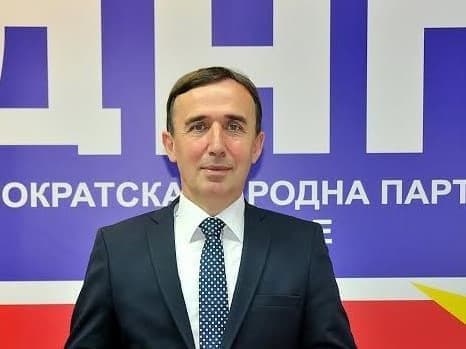
The government of Montenegro has allocated €24 million to a project intended to regulate the Moraca River. However, this initiative has been criticized for failing to protect the river and its vital ecosystem, leading to significant environmental degradation. Zoran Lakusic, Chairman of the Board of Directors of the Regional Water Supply Board, highlighted concerns about the long-term impact of these decisions on one of the country’s most important water sources.
Lakusic emphasized that the degradation of the Moraca River cannot be attributed to isolated incidents or administrative inefficiencies. Instead, he framed it as a continuous pattern of decisions shrouded in legality and public interest that have ultimately resulted in lasting harm. In 2017, the Ministry of Agriculture introduced a moratorium on gravel extraction from the Moraca River, which was ostensibly meant to protect the river and the Bolje Sestre spring.
Yet, the outcomes have been troubling. “The ban on extraction has opened the door to a more sophisticated form of devastation through the so-called ‘regulation of the Moraca River,’” Lakusic stated. “Instead of investing in preserving the river’s natural dynamics, the funds were used for intensive interventions that caused greater damage than previous illegal gravel extraction.”
The scientific community has repeatedly warned that the regulation project disrupts the natural hydrodynamics of the Moraca River, affecting underground water flows and diminishing the output of the Bolje Sestre spring. Lakusic noted these warnings were based on hydrological and geological analyses, yet they have had little impact on the institutions responsible for decision-making.
A particularly alarming statistic is that the capital city of Podgorica earned only €3.91 from gravel extraction in 2016, a figure that Lakusic described as a symbol of institutional failure in protecting public interest. “When the devastation of the river and the threat to water supply are reduced to a few euros, it becomes clear that the issue lies not in a lack of regulations, but in their conscious undermining,” he explained.
The moratorium, coupled with inadequate and selective oversight, has ironically led to an increase in illegal activities. While formal inspections existed on paper, the Moraca River continued to be deepened, with gravel extracted without clear records, effectively privatizing economic benefits. “The consequences of such activities do not remain confined to private interests; they have been transferred to the state, resulting in long-term and difficult-to-repair effects,” Lakusic added.
He emphasized that the question of accountability extends beyond moral or political dimensions. According to Montenegro’s Criminal Code, environmental damage is classified as a criminal offense. Despite the scale of the damage, serious investigations and legal proceedings have been notably absent. “This lack of response further undermines the very idea of a rule of law,” Lakusic remarked.
The calculations are stark and disheartening. The state invested €24 million in a project that did not stop the devastation but instead legitimized it. Concurrently, illegal gravel extraction has generated substantial private profits while public interests remain unprotected. The results are disrupted ecosystems, a compromised Bolje Sestre spring, and a serious threat to the water supply of Montenegro’s coastal regions.
The erosion of the Moraca River is visible to the naked eye and can be observed in satellite imagery. Less apparent but equally important is the responsibility of institutions that had the knowledge, authority, and resources to prevent such a scenario but failed to act. Until accountability is established for those who made decisions, signed projects, and oversaw implementations, the Moraca River will symbolize a system in which the state finances its own degradation through negligence and irresponsibility.

Moyes Faces Referee Controversy Ahead of Everton vs Chelsea Clash

Man Hospitalised After Assault Outside Shop in Sandwell

Fred MacAulay and Ally McCoist Reunite for Special World Cup Show

NoOnes Targets $1 Trillion Gift Card Market to Enhance Crypto Access

Beloved Actor Matt Clark Passes Away at 89, Fans Mourn Loss

Discover How Milk Thistle Supplements Enhance Liver Health

Irish Community Care Celebrates 60 Years of Support in Liverpool

New Affordable Housing Development Planned for Crawley Site

Millions of Parking Tickets Issued Amid Calls for Reform

Claire Tomlinson Bids Farewell to Sky Sports After 27 Years

Iconic 90s TV Show House Hits Market for £1.1 Million

Tributes Flow for Kerry Gentle, Beloved RNLI Volunteer and Artist

Nathan Cleary’s Family Celebrates Engagement Amid Romance Rumors

Milk Bank Urges Mothers to Donate for Premature Babies’ Health

Shoppers Flock to Discounted Neck Pillow on Amazon for Travel Comfort

Alessia Russo Signs Long-Term Deal with Arsenal Ahead of WSL Season

Nuneaton Town FC Advances Plans for New Stadium in Stockingford

Museums Body Critiques EHRC Proposals on Gender Facilities
-
 Lifestyle6 months ago
Claire Tomlinson Bids Farewell to Sky Sports After 27 Years
-
 Entertainment9 months ago
Iconic 90s TV Show House Hits Market for £1.1 Million
-
 Lifestyle7 months ago
Tributes Flow for Kerry Gentle, Beloved RNLI Volunteer and Artist
-
 Sports11 months ago
Nathan Cleary’s Family Celebrates Engagement Amid Romance Rumors
-
 Lifestyle11 months ago
Milk Bank Urges Mothers to Donate for Premature Babies’ Health
-
 Lifestyle11 months ago
Shoppers Flock to Discounted Neck Pillow on Amazon for Travel Comfort
-
 Sports10 months ago
Alessia Russo Signs Long-Term Deal with Arsenal Ahead of WSL Season
-
 Sports8 months ago
Nuneaton Town FC Advances Plans for New Stadium in Stockingford
-
 Politics11 months ago
Museums Body Critiques EHRC Proposals on Gender Facilities
-

 Lifestyle11 months ago
Exploring England’s Cathedrals: A Journey Through History and Architecture
-

 Business11 months ago
Trump Visits Europe: Business, Politics, or Leisure?
-

 Lifestyle11 months ago
Japanese Teen Sorato Shimizu Breaks U18 100m Record in 10 Seconds