
Science
Mars Colonization Faces Major Hurdles, Experts Warn

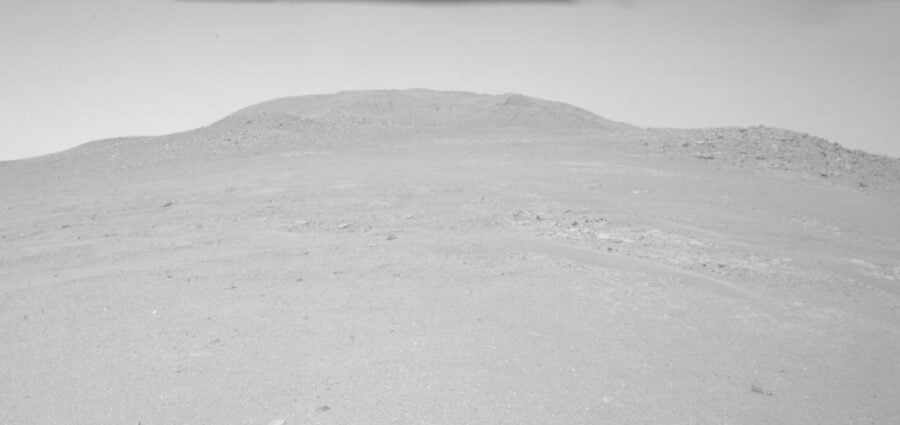
Recent analyses have raised significant concerns regarding the feasibility of establishing a permanent human colony on Mars. While some have positioned Mars as a potential “Plan B” for humanity, the realities of survival in its harsh environment present formidable challenges. According to various experts, the more pressing issue is not the journey to Mars, but rather ensuring long-term survival and system reliability without resupply.
The complexities of colonizing Mars are underscored by its extreme conditions. The planet’s environment poses risks that exceed those found in Earth’s most inhospitable locations, such as the summit of Mount Everest or the depths of the Mariana Trench. As it stands, current technology is insufficient to support a self-sustaining habitat on Mars.
Health Risks and Physiological Barriers for Astronauts
The human body faces numerous challenges during a mission to Mars. The most significant risk is the impact of radiation exposure. Earth benefits from a protective magnetosphere that shields it from high-energy solar particles and Galactic Cosmic Rays (GCRs). Mars, however, lacks a global magnetic field, which exposes astronauts to radiation levels during transit equivalent to thousands of chest X-rays. Once on the Martian surface, the thin atmosphere offers limited protection, significantly increasing the risk of long-term health issues, including cancer and cognitive decline.
Moreover, the effects of microgravity during the transit period can lead to rapid muscle atrophy and bone density loss, potentially rendering astronauts physically incapable upon arrival. This condition is compounded by the threat of Spaceflight Associated Neuro-ocular Syndrome (SANS), where fluid shifts can damage vision.
Additionally, the Martian regolith is toxic. It contains perchlorates, salts that can be harmful if inhaled, posing a long-term health risk to any colonists.
Engineering Challenges and Environmental Hostility
While rovers have been successfully landed on Mars, transporting humans requires advanced engineering solutions that are still in development. Mars’ atmosphere complicates landing efforts; it is too thin to effectively slow descent using parachutes, yet thick enough to generate intense heat. This necessitates the use of rockets that require substantial fuel, further complicating launch logistics from Earth.
The so-called “Gear Ratio” problem amplifies these challenges. Estimates suggest that to establish a colony, approximately 226 units of propellant would be required for every unit delivered to Mars. This translates to thousands of massive launches, a feat that currently seems economically prohibitive.
The environmental conditions on Mars enhance these engineering hurdles. With an atmospheric pressure less than 1% of that on Earth, colonists would face immediate dangers in the event of a suit breach. Temperatures can plummet to -195°F (-125°C) at the poles, and machinery often struggles to function in such extreme environments. Dust storms can cover the planet for months, drastically reducing solar power availability, which is crucial for energy needs.
Psychological factors also present significant obstacles. The “Earth-out-of-view” phenomenon, where astronauts lose sight of Earth, may lead to existential crises. Communication delays of 4 to 24 minutes mean that in emergencies, colonists would have to rely on their own judgment without immediate guidance from Mission Control.
Experts conclude that while a short-term mission to Mars may be feasible within the next few decades, establishing a permanent colony remains fraught with challenges. Until solutions are developed for radiation shielding, life support systems, and health risks associated with Martian dust, the prospect of sustained human presence on Mars remains uncertain.
This analysis underscores the importance of continued research and innovation. As humanity looks to the stars, understanding and addressing these challenges is crucial for the future of space exploration.

Moyes Faces Referee Controversy Ahead of Everton vs Chelsea Clash

Man Hospitalised After Assault Outside Shop in Sandwell

Fred MacAulay and Ally McCoist Reunite for Special World Cup Show

NoOnes Targets $1 Trillion Gift Card Market to Enhance Crypto Access

Beloved Actor Matt Clark Passes Away at 89, Fans Mourn Loss

Discover How Milk Thistle Supplements Enhance Liver Health

Irish Community Care Celebrates 60 Years of Support in Liverpool

New Affordable Housing Development Planned for Crawley Site

Millions of Parking Tickets Issued Amid Calls for Reform

Claire Tomlinson Bids Farewell to Sky Sports After 27 Years

Iconic 90s TV Show House Hits Market for £1.1 Million

Nathan Cleary’s Family Celebrates Engagement Amid Romance Rumors

Tributes Flow for Kerry Gentle, Beloved RNLI Volunteer and Artist

Milk Bank Urges Mothers to Donate for Premature Babies’ Health

Shoppers Flock to Discounted Neck Pillow on Amazon for Travel Comfort

Alessia Russo Signs Long-Term Deal with Arsenal Ahead of WSL Season

Nuneaton Town FC Advances Plans for New Stadium in Stockingford

Exploring England’s Cathedrals: A Journey Through History and Architecture
-
 Lifestyle8 months ago
Claire Tomlinson Bids Farewell to Sky Sports After 27 Years
-
 Entertainment11 months ago
Iconic 90s TV Show House Hits Market for £1.1 Million
-
 Sports1 year ago
Nathan Cleary’s Family Celebrates Engagement Amid Romance Rumors
-
 Lifestyle8 months ago
Tributes Flow for Kerry Gentle, Beloved RNLI Volunteer and Artist
-
 Lifestyle1 year ago
Milk Bank Urges Mothers to Donate for Premature Babies’ Health
-
 Lifestyle1 year ago
Shoppers Flock to Discounted Neck Pillow on Amazon for Travel Comfort
-
 Sports12 months ago
Alessia Russo Signs Long-Term Deal with Arsenal Ahead of WSL Season
-
 Sports9 months ago
Nuneaton Town FC Advances Plans for New Stadium in Stockingford
-
 Lifestyle1 year ago
Exploring England’s Cathedrals: A Journey Through History and Architecture
-

 Politics1 year ago
Museums Body Critiques EHRC Proposals on Gender Facilities
-

 Business1 year ago
Trump Visits Europe: Business, Politics, or Leisure?
-

 Lifestyle1 year ago
Japanese Teen Sorato Shimizu Breaks U18 100m Record in 10 Seconds