
Top Stories
Tax Alert as Britain’s Side Hustle Boom Draws HMRC Scrutiny

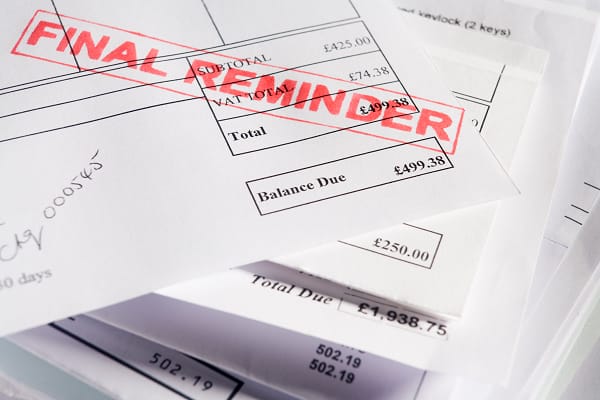
More than 16 million people in the UK are now engaged in side hustles, generating additional income amid the ongoing cost-of-living crisis. This marks a significant increase of 158% since 2023, when only 6.2 million individuals were estimated to be involved in such activities, according to data from barrister Patrick Cannon. The trend has prompted the HM Revenue and Customs (HMRC) to issue a warning for those planning to earn extra income in 2026.
Research conducted by side hustle experts at OddsMonkey reveals that nearly two in five Brits—39%—are now supplementing their earnings, with an average monthly income of £914. Despite this financial boost, many individuals are failing to declare their earnings, raising concerns from HMRC.
As household budgets tighten, the study indicates that 48% of respondents are anxious about meeting their monthly bills, while 28% express worries regarding rent or mortgage obligations. The rise in side hustles, which encompass activities like selling second-hand items, baking, blogging, and freelancing, reflects a growing need for financial security.
Popular Side Hustles and Earnings
Selling unwanted items remains the most common side hustle, with 68% of participants using platforms such as Vinted, eBay, and Depop to generate an average income of £165 per month. Other popular avenues include crafting (£163), baking (£183), and blogging (£231). Notably, selling beauty products has emerged as the most profitable side venture, averaging £249 monthly.
The report highlights differences in participation based on demographics. Approximately 43% of men engage in side hustles compared to 34% of women. Generational trends show that 60% of Gen Z workers and 55% of Millennials are actively pursuing additional income, with Millennials earning an average of £1,321 monthly from side jobs.
Despite the potential for earning nearly £3,000 annually from these activities, a concerning 34% of side hustlers admit to not reporting their income to HMRC. The tax authority has clarified that while casual sellers emptying their homes need not worry, those earning more than £1,000 annually from sales may be required to declare this income.
HMRC’s Warning and Compliance Measures
Individuals selling personal items valued over £6,000 in a single transaction may also trigger capital gains tax liabilities. Those required to declare their earnings must register for Self Assessment as a sole trader, with HMRC emphasizing the importance of compliance to avoid unexpected tax bills or penalties.
Peter Watton, a spokesman for OddsMonkey, commented on the situation, stating, “With the constantly increasing cost of living, we were hardly surprised that Brits are having to take up side hustles in order to earn themselves some extra cash. While it is great that Brits are using their passions to earn extra income, it is important to remember to declare any income over £1,000 to ensure you don’t get in trouble with the tax man.”
As side hustles become increasingly integrated into British life, HMRC’s heightened focus on additional earnings in 2026 signals the need for compliance. Watton cautioned that what begins as a simple way to earn extra income could lead to significant tax repercussions if regulations are not observed.

Moyes Faces Referee Controversy Ahead of Everton vs Chelsea Clash

Man Hospitalised After Assault Outside Shop in Sandwell

Fred MacAulay and Ally McCoist Reunite for Special World Cup Show

NoOnes Targets $1 Trillion Gift Card Market to Enhance Crypto Access

Beloved Actor Matt Clark Passes Away at 89, Fans Mourn Loss

Discover How Milk Thistle Supplements Enhance Liver Health

Irish Community Care Celebrates 60 Years of Support in Liverpool

New Affordable Housing Development Planned for Crawley Site

Millions of Parking Tickets Issued Amid Calls for Reform

Claire Tomlinson Bids Farewell to Sky Sports After 27 Years

Iconic 90s TV Show House Hits Market for £1.1 Million

Tributes Flow for Kerry Gentle, Beloved RNLI Volunteer and Artist

Nathan Cleary’s Family Celebrates Engagement Amid Romance Rumors

Milk Bank Urges Mothers to Donate for Premature Babies’ Health

Shoppers Flock to Discounted Neck Pillow on Amazon for Travel Comfort

Alessia Russo Signs Long-Term Deal with Arsenal Ahead of WSL Season

Nuneaton Town FC Advances Plans for New Stadium in Stockingford

Museums Body Critiques EHRC Proposals on Gender Facilities
-
 Lifestyle6 months ago
Claire Tomlinson Bids Farewell to Sky Sports After 27 Years
-
 Entertainment9 months ago
Iconic 90s TV Show House Hits Market for £1.1 Million
-
 Lifestyle6 months ago
Tributes Flow for Kerry Gentle, Beloved RNLI Volunteer and Artist
-
 Sports11 months ago
Nathan Cleary’s Family Celebrates Engagement Amid Romance Rumors
-
 Lifestyle11 months ago
Milk Bank Urges Mothers to Donate for Premature Babies’ Health
-
 Lifestyle11 months ago
Shoppers Flock to Discounted Neck Pillow on Amazon for Travel Comfort
-
 Sports10 months ago
Alessia Russo Signs Long-Term Deal with Arsenal Ahead of WSL Season
-
 Sports8 months ago
Nuneaton Town FC Advances Plans for New Stadium in Stockingford
-
 Politics11 months ago
Museums Body Critiques EHRC Proposals on Gender Facilities
-

 Lifestyle11 months ago
Exploring England’s Cathedrals: A Journey Through History and Architecture
-

 Business11 months ago
Trump Visits Europe: Business, Politics, or Leisure?
-

 Lifestyle11 months ago
Japanese Teen Sorato Shimizu Breaks U18 100m Record in 10 Seconds