
Lifestyle
Professional Painter’s Back Rolling Technique Transforms DIY Projects

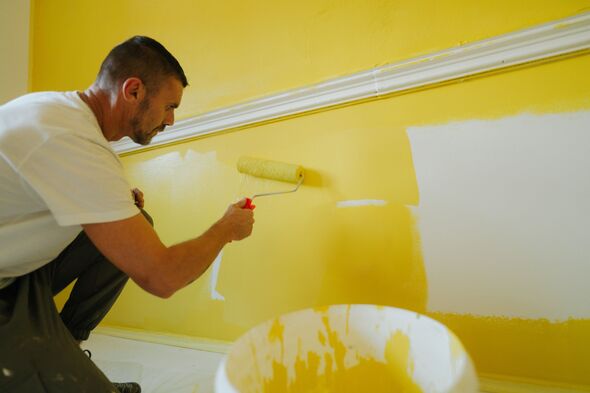
As homeowners prepare for potential renovations in 2026, a practical painting technique has gained attention on social media, promising to enhance the quality of DIY projects. Laura, a user on Instagram, recently shared her experience with the painting method known as “back rolling,” which she learned from her mother, who in turn acquired it from a seasoned professional painter.
In a video demonstrating her painting process, Laura explained the significance of back rolling after applying a fresh coat of paint. She stated, “My mum got this tip decades ago from the professional painter who was painting her house. He had been painting for maybe 40 years at that point, and he said that once you get the wall painted, you just start at the top and roll all the way to the bottom.” This technique aims to eliminate drips and inconsistencies, ensuring a more polished finish.
Understanding the Back Rolling Technique
Back rolling involves using a paint roller to go over a freshly painted surface while it remains wet. This method not only ensures better adhesion of the paint to porous surfaces but also helps achieve a uniform sheen across the wall. Laura emphasized the importance of not adding fresh paint to the roller during this process, simply using what remains on the roller after the initial application.
To effectively implement the back rolling technique, Laura provides a straightforward sequence of steps for DIY enthusiasts:
1. Prepare the room by removing furniture and covering floors.
2. Prepare the walls by cleaning them and fixing any imperfections.
3. Cut in the edges around windows and doors for a clean finish.
4. Roll the paint on the walls.
5. Clean up any spills or equipment after completing the job.
Laura’s video showcases her applying a vibrant green paint to her walls, illustrating how the back rolling method contributes to a professional-looking result. She added in her caption, “Need to add that you do this on a freshly painted wall while it is still wet. I don’t put more paint on the roller when I do this; I just use what’s left.” This insight can be particularly beneficial for those hesitant about taking on painting projects themselves.
The Benefits of DIY Painting
For many homeowners, the thought of redecorating can be overwhelming, especially if they lack prior experience. Hiring professional decorators can be costly, leading many to seek out cost-effective solutions. DIY painting not only saves money but can also be a fulfilling creative outlet. With the rise of platforms like Instagram, individuals can easily access tips and tricks to enhance their skills.
As more people embark on home improvement projects, techniques like back rolling can make a significant difference in achieving quality results. The combination of proper preparation and effective application methods can transform a daunting task into a rewarding experience.
In summary, Laura’s sharing of the back rolling technique highlights the value of learning from experienced individuals. As homeowners gear up for renovations in the coming year, embracing effective DIY strategies could lead to impressive transformations in their living spaces.

Moyes Faces Referee Controversy Ahead of Everton vs Chelsea Clash

Man Hospitalised After Assault Outside Shop in Sandwell

Fred MacAulay and Ally McCoist Reunite for Special World Cup Show

NoOnes Targets $1 Trillion Gift Card Market to Enhance Crypto Access

Beloved Actor Matt Clark Passes Away at 89, Fans Mourn Loss

Discover How Milk Thistle Supplements Enhance Liver Health

Irish Community Care Celebrates 60 Years of Support in Liverpool

New Affordable Housing Development Planned for Crawley Site

Millions of Parking Tickets Issued Amid Calls for Reform

Claire Tomlinson Bids Farewell to Sky Sports After 27 Years

Iconic 90s TV Show House Hits Market for £1.1 Million

Tributes Flow for Kerry Gentle, Beloved RNLI Volunteer and Artist

Nathan Cleary’s Family Celebrates Engagement Amid Romance Rumors

Milk Bank Urges Mothers to Donate for Premature Babies’ Health

Shoppers Flock to Discounted Neck Pillow on Amazon for Travel Comfort

Alessia Russo Signs Long-Term Deal with Arsenal Ahead of WSL Season

Nuneaton Town FC Advances Plans for New Stadium in Stockingford

Museums Body Critiques EHRC Proposals on Gender Facilities
-
 Lifestyle6 months ago
Claire Tomlinson Bids Farewell to Sky Sports After 27 Years
-
 Entertainment9 months ago
Iconic 90s TV Show House Hits Market for £1.1 Million
-
 Lifestyle6 months ago
Tributes Flow for Kerry Gentle, Beloved RNLI Volunteer and Artist
-
 Sports11 months ago
Nathan Cleary’s Family Celebrates Engagement Amid Romance Rumors
-
 Lifestyle11 months ago
Milk Bank Urges Mothers to Donate for Premature Babies’ Health
-
 Lifestyle11 months ago
Shoppers Flock to Discounted Neck Pillow on Amazon for Travel Comfort
-
 Sports10 months ago
Alessia Russo Signs Long-Term Deal with Arsenal Ahead of WSL Season
-
 Sports8 months ago
Nuneaton Town FC Advances Plans for New Stadium in Stockingford
-
 Politics11 months ago
Museums Body Critiques EHRC Proposals on Gender Facilities
-

 Lifestyle11 months ago
Exploring England’s Cathedrals: A Journey Through History and Architecture
-

 Business11 months ago
Trump Visits Europe: Business, Politics, or Leisure?
-

 Lifestyle11 months ago
Japanese Teen Sorato Shimizu Breaks U18 100m Record in 10 Seconds