
Lifestyle
Orchardist Matt Kaminsky to Share Apple Insights at Lecture

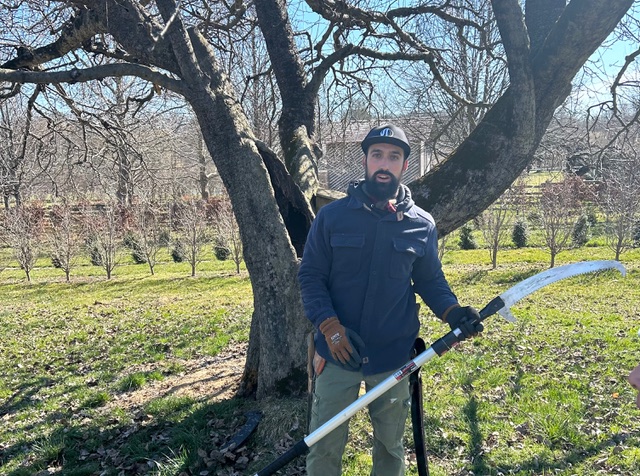
Matt Kaminsky, an orchardist and cidermaker known for his expertise in apple cultivation, will present a lecture on February 18, 2024, at the White Hart Inn as part of the Bad Grass lecture series. His discussion will delve into the intricate relationships between humans and apple trees, drawing from his experiences and knowledge gained while working with both wild and cultivated apple varieties.
Exploring the World of Apples
Kaminsky, affectionately referred to in the apple community as “Gnarly Pippins,” has hosted the annual Wild and Seedling Pomological Exhibition in Western Massachusetts. His approach to apple cultivation reflects a deep understanding of both historical and ecological perspectives. He draws inspiration from figures like Johnny Appleseed, who famously planted cider apples across the United States, and Thomas Jefferson, who meticulously cultivated diverse apple varieties at his estate in Charlottesville, Virginia.
During his time at Martha Stewart’s farm in Bedford, Kaminsky worked on pruning trees and maintaining older apple varieties, showcasing his ability to bring historical trees back into production. His techniques emphasize promoting new growth on ancient trees, an approach that has garnered praise from both experts and enthusiasts.
Kaminsky’s dual focus on preserving wild apple genetics while maintaining cultivated varieties highlights the importance of biodiversity in agriculture. He believes that a balance between these two aspects is crucial for the future viability of apple species and, by extension, our own food security.
A Sustainable Approach to Orchard Management
At his farm in Sunderland, Massachusetts, Kaminsky employs regenerative practices that enhance the ecosystem. He integrates sheep and chickens into his orchard management, allowing the sheep to consume fallen fruit and foliage, which provides natural fertilizer for the trees. The chickens then help control insect populations, creating a sustainable cycle that benefits all components of his farm.
Kaminsky’s insights extend beyond practical gardening techniques. He emphasizes the role of community in horticulture, suggesting that all gardeners are inherently self-taught through observation, experimentation, and the exchange of knowledge. His upcoming lecture promises to be a valuable opportunity for both novice and seasoned gardeners to learn from his experiences.
For those interested in further horticultural discussions, the Berkshire Botanical Garden will host a Winter Lecture on February 21, featuring plantsman Karl Gercens. Gercens will share his expertise on ornamental displays, adding another exciting dimension to the local gardening community.
Attendees at Kaminsky’s lecture are encouraged to bring an open mind rather than tools. His passion for apples, both wild and cultivated, offers a unique perspective that connects history, biology, and sustainability within the realm of horticulture.

Moyes Faces Referee Controversy Ahead of Everton vs Chelsea Clash

Man Hospitalised After Assault Outside Shop in Sandwell

Fred MacAulay and Ally McCoist Reunite for Special World Cup Show

NoOnes Targets $1 Trillion Gift Card Market to Enhance Crypto Access

Beloved Actor Matt Clark Passes Away at 89, Fans Mourn Loss

Discover How Milk Thistle Supplements Enhance Liver Health

Irish Community Care Celebrates 60 Years of Support in Liverpool

New Affordable Housing Development Planned for Crawley Site

Millions of Parking Tickets Issued Amid Calls for Reform

Claire Tomlinson Bids Farewell to Sky Sports After 27 Years

Iconic 90s TV Show House Hits Market for £1.1 Million

Tributes Flow for Kerry Gentle, Beloved RNLI Volunteer and Artist

Nathan Cleary’s Family Celebrates Engagement Amid Romance Rumors

Milk Bank Urges Mothers to Donate for Premature Babies’ Health

Shoppers Flock to Discounted Neck Pillow on Amazon for Travel Comfort

Alessia Russo Signs Long-Term Deal with Arsenal Ahead of WSL Season

Nuneaton Town FC Advances Plans for New Stadium in Stockingford

Museums Body Critiques EHRC Proposals on Gender Facilities
-
 Lifestyle6 months ago
Claire Tomlinson Bids Farewell to Sky Sports After 27 Years
-
 Entertainment9 months ago
Iconic 90s TV Show House Hits Market for £1.1 Million
-
 Lifestyle6 months ago
Tributes Flow for Kerry Gentle, Beloved RNLI Volunteer and Artist
-
 Sports11 months ago
Nathan Cleary’s Family Celebrates Engagement Amid Romance Rumors
-
 Lifestyle11 months ago
Milk Bank Urges Mothers to Donate for Premature Babies’ Health
-
 Lifestyle11 months ago
Shoppers Flock to Discounted Neck Pillow on Amazon for Travel Comfort
-
 Sports10 months ago
Alessia Russo Signs Long-Term Deal with Arsenal Ahead of WSL Season
-
 Sports8 months ago
Nuneaton Town FC Advances Plans for New Stadium in Stockingford
-
 Politics11 months ago
Museums Body Critiques EHRC Proposals on Gender Facilities
-

 Lifestyle11 months ago
Exploring England’s Cathedrals: A Journey Through History and Architecture
-

 Business11 months ago
Trump Visits Europe: Business, Politics, or Leisure?
-

 Lifestyle11 months ago
Japanese Teen Sorato Shimizu Breaks U18 100m Record in 10 Seconds