
World
Universal Vaccine for Colds and Flu Moves Closer to Reality

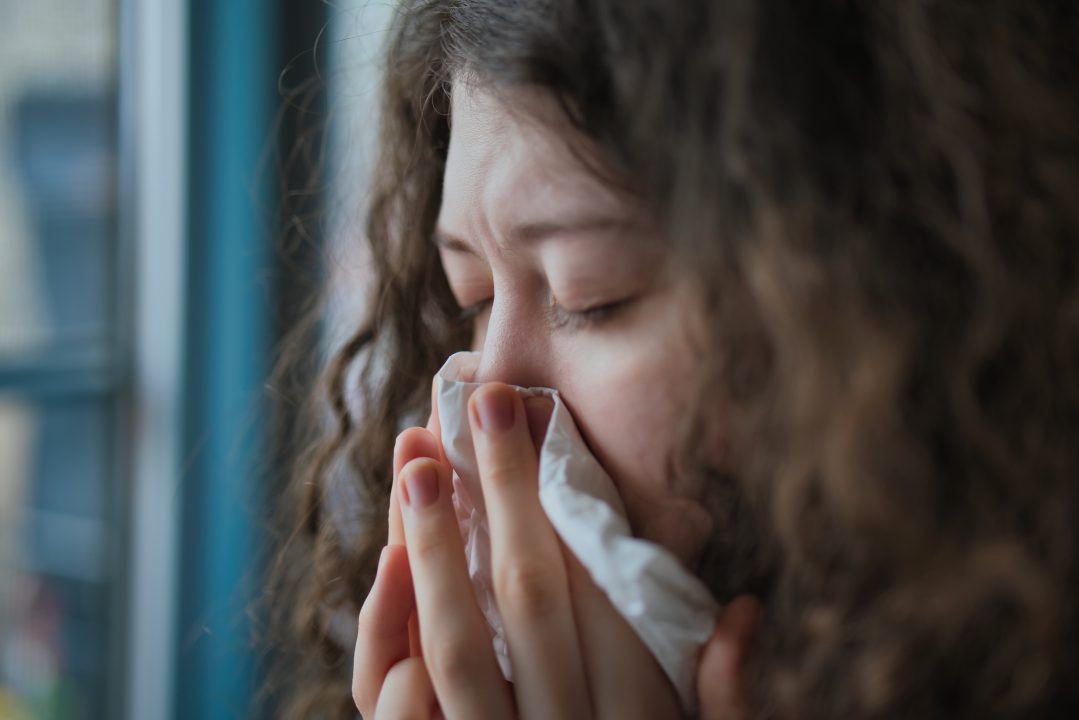
A breakthrough in vaccination research may soon lead to a universal vaccine capable of protecting against colds, flu, Covid-19, and various allergies. Scientists at Stanford Medicine in the United States have developed a vaccine that can be administered as a nasal spray, potentially offering broad protection against numerous respiratory viruses, bacteria, and allergy triggers.
The study, published on March 15, 2024, in the journal Science, primarily involved experiments on mice. Researchers reported that the vaccine demonstrated significant protection in the lungs for several months. Vaccinated mice showed resilience against Covid-19, other coronaviruses, and infections caused by bacteria such as Staphylococcus and Acinetobacter baumannii, alongside common allergens like house dust mites.
Dr. Bali Pulendran, director of the Institute for Immunity, Transplantation and Infection at Stanford, emphasized the transformative potential of this vaccine. He stated, “Imagine getting a nasal spray in the fall months that protects you from all respiratory viruses including Covid-19, influenza, respiratory syncytial virus, and the common cold, as well as bacterial pneumonia and early spring allergens. That would transform medical practice.”
The research team is now aiming to advance their work into human trials, beginning with safety assessments followed by larger trials where participants would be exposed to specific infections. Dr. Pulendran anticipates that two doses of the nasal spray could suffice for effective protection in humans, estimating that, with adequate funding, the vaccine could be available within five to seven years.
The innovative approach of this vaccine involves mimicking the signals used by T cells in the lungs to communicate with the body’s innate immune cells. Instead of targeting parts of pathogens, the vaccine focuses on replicating these communicative signals, potentially leading to improved immune responses.
Prof. Brendan Wren from the London School of Hygiene and Tropical Medicine expressed cautious optimism regarding the study’s findings. He noted, “The study claiming a universal respiratory vaccine sounds too good to be true, but the researchers may have hit on a new concept for vaccination, if the results in mice are confirmed in future studies in humans.” He acknowledged that while the results show promise, more extensive and controlled studies will be necessary to ascertain the vaccine’s safety and efficacy.
In the study, the mice received a drop of the vaccine in their noses, which provided protection for several months against various viral infections, bacterial respiratory infections, and allergens that can trigger asthma. The vaccine, currently referred to as GLA-3M-052-LS+OVA, effectively stimulates T cell activity in the lungs and contains a harmless antigen to recruit T cells, facilitating the body’s defense against pathogens over an extended period.
As the research progresses, the scientific community remains hopeful about the implications of a successful universal vaccine, which could significantly reduce the incidence of winter respiratory infections and improve overall public health.

Moyes Faces Referee Controversy Ahead of Everton vs Chelsea Clash

Man Hospitalised After Assault Outside Shop in Sandwell

Fred MacAulay and Ally McCoist Reunite for Special World Cup Show

NoOnes Targets $1 Trillion Gift Card Market to Enhance Crypto Access

Beloved Actor Matt Clark Passes Away at 89, Fans Mourn Loss

Discover How Milk Thistle Supplements Enhance Liver Health

Irish Community Care Celebrates 60 Years of Support in Liverpool

New Affordable Housing Development Planned for Crawley Site

Millions of Parking Tickets Issued Amid Calls for Reform

Claire Tomlinson Bids Farewell to Sky Sports After 27 Years

Iconic 90s TV Show House Hits Market for £1.1 Million

Tributes Flow for Kerry Gentle, Beloved RNLI Volunteer and Artist

Milk Bank Urges Mothers to Donate for Premature Babies’ Health

Shoppers Flock to Discounted Neck Pillow on Amazon for Travel Comfort

Alessia Russo Signs Long-Term Deal with Arsenal Ahead of WSL Season

Nathan Cleary’s Family Celebrates Engagement Amid Romance Rumors

Museums Body Critiques EHRC Proposals on Gender Facilities

Trump Visits Europe: Business, Politics, or Leisure?
-
 Lifestyle3 months ago
Claire Tomlinson Bids Farewell to Sky Sports After 27 Years
-
 Entertainment6 months ago
Iconic 90s TV Show House Hits Market for £1.1 Million
-
 Lifestyle3 months ago
Tributes Flow for Kerry Gentle, Beloved RNLI Volunteer and Artist
-
 Lifestyle8 months ago
Milk Bank Urges Mothers to Donate for Premature Babies’ Health
-
 Lifestyle8 months ago
Shoppers Flock to Discounted Neck Pillow on Amazon for Travel Comfort
-
 Sports7 months ago
Alessia Russo Signs Long-Term Deal with Arsenal Ahead of WSL Season
-
 Sports8 months ago
Nathan Cleary’s Family Celebrates Engagement Amid Romance Rumors
-
 Politics8 months ago
Museums Body Critiques EHRC Proposals on Gender Facilities
-
 Business8 months ago
Trump Visits Europe: Business, Politics, or Leisure?
-

 Sports5 months ago
Nuneaton Town FC Advances Plans for New Stadium in Stockingford
-

 Lifestyle8 months ago
Japanese Teen Sorato Shimizu Breaks U18 100m Record in 10 Seconds
-

 Lifestyle8 months ago
Exploring England’s Cathedrals: A Journey Through History and Architecture