
Health
Chikungunya Outbreak in Seychelles Triggers Global Travel Warning

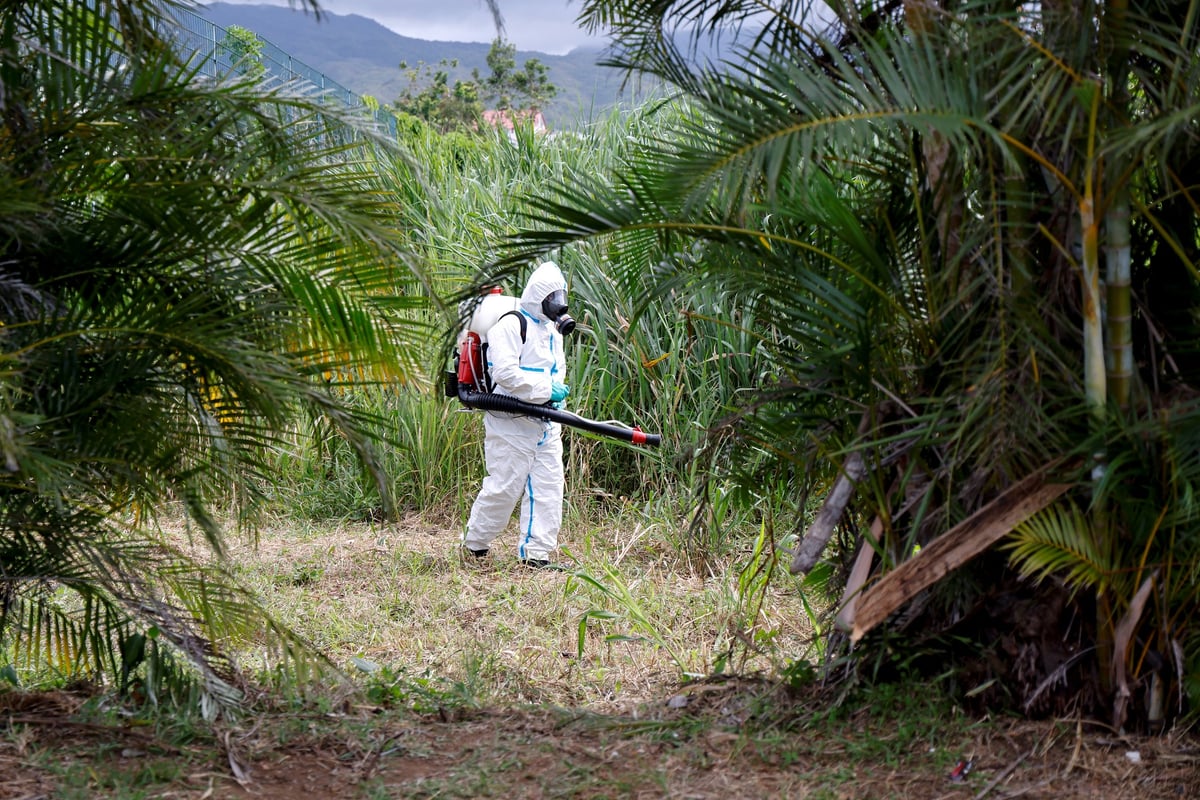
A surge in cases of the chikungunya virus has prompted health authorities to issue a travel warning for the Seychelles, a popular tourist destination known for its stunning beaches and vibrant wildlife. The Centre for Disease Control (CDC) in the United States has classified the situation as a level 2 travel warning, advising travelers to take appropriate precautions. Local health officials report that the virus is becoming increasingly prevalent in the archipelago, with the European Centre for Disease Control (ECDC) predicting a rise in cases, including several imported infections in EU countries linked to travel to the Seychelles since December 2025.
Understanding Chikungunya
Chikungunya is a mosquito-borne virus primarily transmitted through bites from Aedes mosquitoes, which are active during the day, particularly at dawn and dusk. The virus is prevalent in over 100 countries across Africa, Asia, the Americas, the Caribbean, and Pacific islands. While it is less common in Europe, rising temperatures have led to the emergence of the virus in southern regions, specifically Italy and France.
Symptoms typically manifest four to eight days after being bitten, starting with a high fever and severe joint pain. Additional symptoms may include a rash, headache, fatigue, nausea, and muscle pain. Although serious complications are rare, certain groups, including infants, the elderly, and individuals with pre-existing health conditions, are at higher risk. Most people recover within a week, but some may experience lingering joint pain and arthritis for several months or even years post-infection. Other potential complications can affect the eyes, neurological system, heart, and gastrointestinal tract.
Preventing Infection
Currently, there is no specific treatment for chikungunya. The most effective method of prevention is to minimize the risk of mosquito bites. Those planning to travel to areas affected by chikungunya are advised to use insect repellent containing DEET and wear light protective clothing to cover exposed skin.
In the UK, two chikungunya vaccines have recently received approval for use in certain travelers. Eligibility for vaccination includes those traveling to regions experiencing outbreaks, frequent travelers to areas with recent chikungunya transmission, and laboratory personnel working with the virus. Health professionals recommend discussing vaccination options and other protective measures before traveling to areas with active outbreaks.
As the situation in the Seychelles continues to develop, travelers are encouraged to stay informed and take necessary precautions to protect their health. For more information on preventing chikungunya while traveling, visit the National Travel Health Network Centre.

Moyes Faces Referee Controversy Ahead of Everton vs Chelsea Clash

Man Hospitalised After Assault Outside Shop in Sandwell

Fred MacAulay and Ally McCoist Reunite for Special World Cup Show

NoOnes Targets $1 Trillion Gift Card Market to Enhance Crypto Access

Beloved Actor Matt Clark Passes Away at 89, Fans Mourn Loss

Discover How Milk Thistle Supplements Enhance Liver Health

Irish Community Care Celebrates 60 Years of Support in Liverpool

New Affordable Housing Development Planned for Crawley Site

Millions of Parking Tickets Issued Amid Calls for Reform

Claire Tomlinson Bids Farewell to Sky Sports After 27 Years

Iconic 90s TV Show House Hits Market for £1.1 Million

Tributes Flow for Kerry Gentle, Beloved RNLI Volunteer and Artist

Nathan Cleary’s Family Celebrates Engagement Amid Romance Rumors

Milk Bank Urges Mothers to Donate for Premature Babies’ Health

Shoppers Flock to Discounted Neck Pillow on Amazon for Travel Comfort

Alessia Russo Signs Long-Term Deal with Arsenal Ahead of WSL Season

Nuneaton Town FC Advances Plans for New Stadium in Stockingford

Museums Body Critiques EHRC Proposals on Gender Facilities
-
 Lifestyle6 months ago
Claire Tomlinson Bids Farewell to Sky Sports After 27 Years
-
 Entertainment9 months ago
Iconic 90s TV Show House Hits Market for £1.1 Million
-
 Lifestyle6 months ago
Tributes Flow for Kerry Gentle, Beloved RNLI Volunteer and Artist
-
 Sports11 months ago
Nathan Cleary’s Family Celebrates Engagement Amid Romance Rumors
-
 Lifestyle11 months ago
Milk Bank Urges Mothers to Donate for Premature Babies’ Health
-
 Lifestyle11 months ago
Shoppers Flock to Discounted Neck Pillow on Amazon for Travel Comfort
-
 Sports10 months ago
Alessia Russo Signs Long-Term Deal with Arsenal Ahead of WSL Season
-
 Sports8 months ago
Nuneaton Town FC Advances Plans for New Stadium in Stockingford
-
 Politics11 months ago
Museums Body Critiques EHRC Proposals on Gender Facilities
-

 Lifestyle11 months ago
Exploring England’s Cathedrals: A Journey Through History and Architecture
-

 Business11 months ago
Trump Visits Europe: Business, Politics, or Leisure?
-

 Lifestyle11 months ago
Japanese Teen Sorato Shimizu Breaks U18 100m Record in 10 Seconds