
Science
East Bristol Traffic Scheme Reduces Cars, Lengthens Journeys

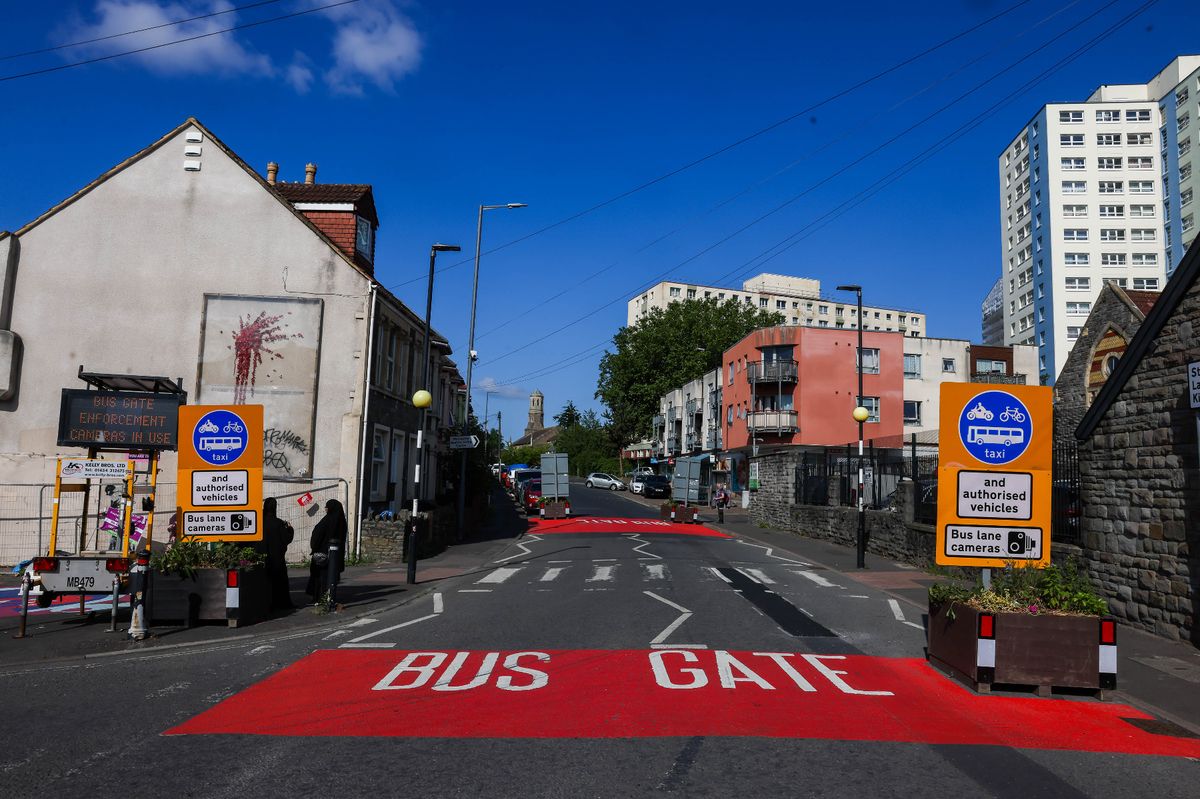
Most streets in the East Bristol Liveable Neighbourhood have seen a significant reduction in traffic following the implementation of a transport scheme, although many residents have reported longer journey times. According to a monitoring report by transport consultants SYSTRA, commissioned by Bristol City Council, traffic counts from October 2024 and October 2025 reveal a marked decrease in vehicle numbers on residential roads, with notable exceptions on Blackswarth Road and Great Western Lane.
The initiative, which introduced infrastructure changes such as bollards, planters, and bus gates in the areas of St George, Redfield, and Barton Hill, aimed to create safer and more pleasant neighbourhoods. The gradual installation of these measures began in late October 2024 and continued until March 2025. While the quieter streets have been praised by supporters for enhancing safety, others argue that congestion has worsened in specific areas.
Traffic Reductions and Congestion Challenges
The SYSTRA report highlights that the traffic scheme has successfully decreased motorised vehicle traffic across most internal roads in the East Bristol Liveable Neighbourhood (EBLN). The findings indicate a reduction in car travel on residential streets, achieving the scheme’s primary objective. However, journey times have increased significantly on several routes. Traffic at the junction of Blackswarth Road and Fireclay Road rose by 12% on weekdays, while traffic on Great Western Lane surged by an astonishing 288%. On weekends, the increases were 11% and 112%, respectively.
The report states: “There has been a significant decrease in motorised vehicle traffic across most internal roads within the EBLN area. These findings indicate that the East Bristol Liveable Neighbourhood trial scheme is delivering on its objective of reducing motorised vehicle traffic on internal roads without widespread detrimental impacts on external roads.”
Despite these positive statistics, many local residents continue to express frustration about traffic congestion, particularly on Blackswarth Road. Long tailbacks at the junction with Church Road and Chalks Road have become common, even during less busy times. Journey times have increased by 80% on Blackswarth Road and by 42% on St Philips Causeway, as drivers reroute through these streets due to the changes.
Shifts in Traffic Patterns and Increased Active Travel
Interestingly, the SYSTRA report also points out a reduction in commercial vehicles, such as vans and lorries, navigating through the area. Conversely, the scheme has encouraged more walking and cycling. Cycling trips doubled on Lincoln Street and Beaufort Road during weekdays. The Wesley Way Cycleway, a key east-west cycling route, has benefited from the reduced presence of cars and trucks, making it safer for cyclists.
While many streets witnessed increased pedestrian activity, some areas, including Great Western Lane, Barton Hill Road, and Avonvale Road, experienced a decrease in foot traffic. The ongoing changes have sparked debates among residents about the overall efficacy of the transport scheme and its impact on their daily lives.
Looking ahead, the council plans to remove a bus gate on Marsh Lane, which may alleviate some of the traffic pressures on Great Western Lane. As this initiative continues to evolve, the ongoing monitoring and feedback from the community will be crucial in shaping the future of transport in East Bristol.

Moyes Faces Referee Controversy Ahead of Everton vs Chelsea Clash

Man Hospitalised After Assault Outside Shop in Sandwell

Fred MacAulay and Ally McCoist Reunite for Special World Cup Show

NoOnes Targets $1 Trillion Gift Card Market to Enhance Crypto Access

Beloved Actor Matt Clark Passes Away at 89, Fans Mourn Loss

Discover How Milk Thistle Supplements Enhance Liver Health

Irish Community Care Celebrates 60 Years of Support in Liverpool

New Affordable Housing Development Planned for Crawley Site

Millions of Parking Tickets Issued Amid Calls for Reform

Claire Tomlinson Bids Farewell to Sky Sports After 27 Years

Iconic 90s TV Show House Hits Market for £1.1 Million

Nathan Cleary’s Family Celebrates Engagement Amid Romance Rumors

Tributes Flow for Kerry Gentle, Beloved RNLI Volunteer and Artist

Milk Bank Urges Mothers to Donate for Premature Babies’ Health

Shoppers Flock to Discounted Neck Pillow on Amazon for Travel Comfort

Alessia Russo Signs Long-Term Deal with Arsenal Ahead of WSL Season

Nuneaton Town FC Advances Plans for New Stadium in Stockingford

Exploring England’s Cathedrals: A Journey Through History and Architecture
-
 Lifestyle8 months ago
Claire Tomlinson Bids Farewell to Sky Sports After 27 Years
-
 Entertainment11 months ago
Iconic 90s TV Show House Hits Market for £1.1 Million
-
 Sports1 year ago
Nathan Cleary’s Family Celebrates Engagement Amid Romance Rumors
-
 Lifestyle8 months ago
Tributes Flow for Kerry Gentle, Beloved RNLI Volunteer and Artist
-
 Lifestyle1 year ago
Milk Bank Urges Mothers to Donate for Premature Babies’ Health
-
 Lifestyle1 year ago
Shoppers Flock to Discounted Neck Pillow on Amazon for Travel Comfort
-
 Sports12 months ago
Alessia Russo Signs Long-Term Deal with Arsenal Ahead of WSL Season
-
 Sports9 months ago
Nuneaton Town FC Advances Plans for New Stadium in Stockingford
-
 Lifestyle1 year ago
Exploring England’s Cathedrals: A Journey Through History and Architecture
-

 Politics1 year ago
Museums Body Critiques EHRC Proposals on Gender Facilities
-

 Business1 year ago
Trump Visits Europe: Business, Politics, or Leisure?
-

 Lifestyle1 year ago
Japanese Teen Sorato Shimizu Breaks U18 100m Record in 10 Seconds