
Health
US Firm to Farm Pigs for Organ Transplants by 2025

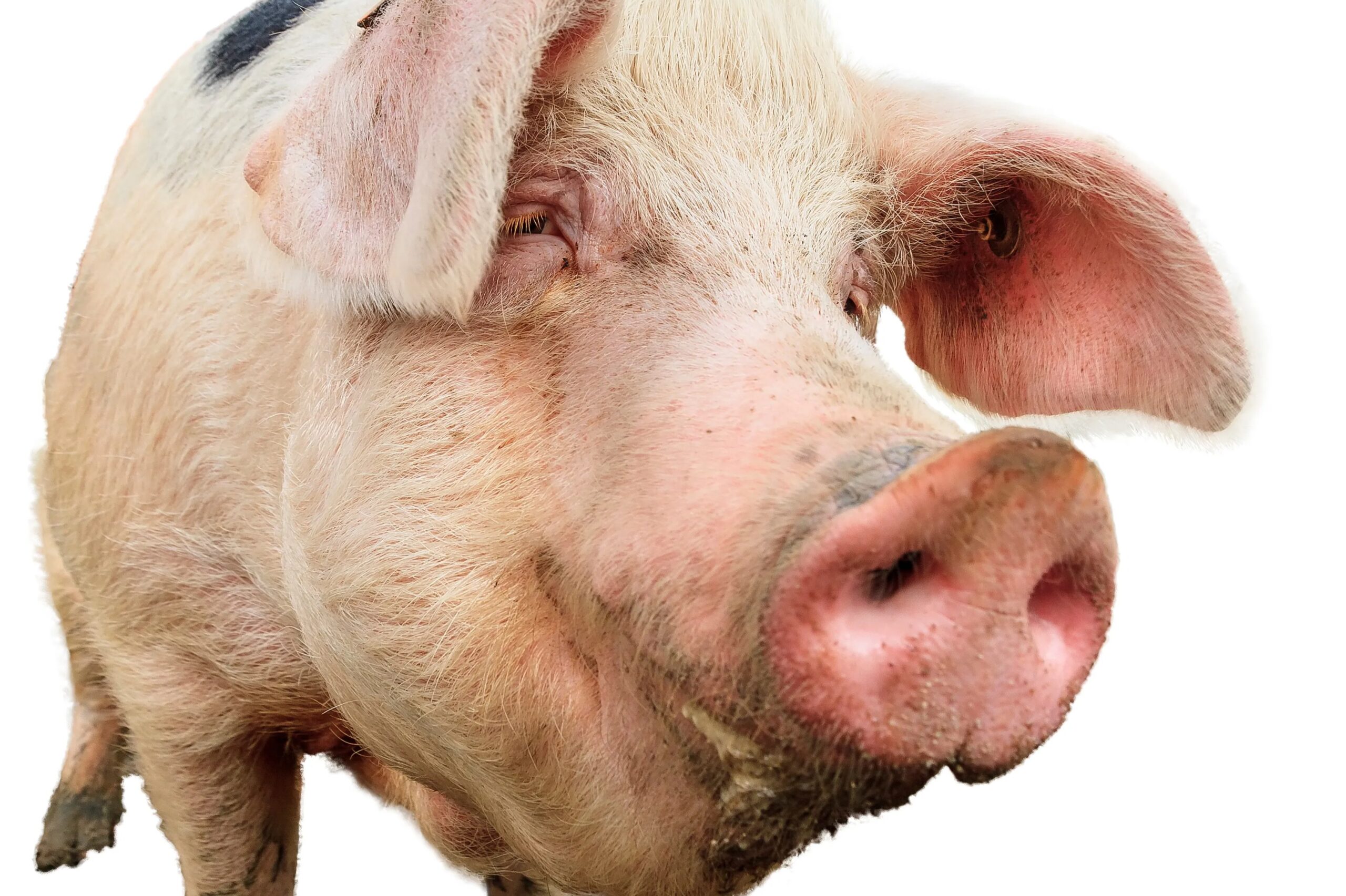
The urgent global shortage of human transplant organs has prompted a major development: pigs will be farmed to supply hearts, kidneys, and other vital organs within the next two years. According to a leading US biotechnology firm, United Therapeutics, plans are underway to construct a state-of-the-art medical facility designed to rear genetically modified pigs specifically for organ transplantation.
United Therapeutics aims to produce approximately 6,000 organs annually by the year 2028, addressing the critical need for donor organs as waiting lists continue to grow. The company’s ambitious project highlights the increasing reliance on innovative biotechnologies to meet healthcare demands that traditional methods cannot satisfy.
This initiative arises against a backdrop of increasing organ shortages worldwide. Thousands of patients die each year while awaiting transplants, as the number of available human organs falls significantly short of demand. The introduction of pig organs into the transplant ecosystem could potentially save countless lives and alleviate pressure on existing donor systems.
As part of this project, the pigs will undergo precise DNA editing to reduce the likelihood of organ rejection in human recipients. This genetic modification aims to make pig organs more compatible with the human immune system, enhancing their viability as transplant options.
The facility, expected to be operational soon, will be equipped with advanced technologies to ensure the health and well-being of the animals while maximizing organ production. This approach not only reflects a shift in organ sourcing but also raises ethical considerations regarding animal welfare and genetic manipulation.
In the coming years, the success of this initiative could pave the way for more widespread use of xenotransplantation, which involves transplanting organs from one species to another. As research progresses, further developments are anticipated in the field of organ transplantation, potentially revolutionizing the way healthcare systems address organ shortages.
The implications of this project extend beyond mere numbers; they touch on the human experience, as families and patients await the possibility of receiving life-saving transplants. The prospect of using genetically modified pigs as organ donors could ultimately transform the landscape of transplant medicine, offering hope to those facing severe health challenges.
While the road ahead involves navigating scientific, ethical, and regulatory hurdles, the commitment of United Therapeutics to explore innovative solutions emphasizes the urgency of addressing the global organ shortage.

Moyes Faces Referee Controversy Ahead of Everton vs Chelsea Clash

Man Hospitalised After Assault Outside Shop in Sandwell

Fred MacAulay and Ally McCoist Reunite for Special World Cup Show

NoOnes Targets $1 Trillion Gift Card Market to Enhance Crypto Access

Beloved Actor Matt Clark Passes Away at 89, Fans Mourn Loss

Discover How Milk Thistle Supplements Enhance Liver Health

Irish Community Care Celebrates 60 Years of Support in Liverpool

New Affordable Housing Development Planned for Crawley Site

Millions of Parking Tickets Issued Amid Calls for Reform

Claire Tomlinson Bids Farewell to Sky Sports After 27 Years

Iconic 90s TV Show House Hits Market for £1.1 Million

Tributes Flow for Kerry Gentle, Beloved RNLI Volunteer and Artist

Nathan Cleary’s Family Celebrates Engagement Amid Romance Rumors

Milk Bank Urges Mothers to Donate for Premature Babies’ Health

Shoppers Flock to Discounted Neck Pillow on Amazon for Travel Comfort

Alessia Russo Signs Long-Term Deal with Arsenal Ahead of WSL Season

Nuneaton Town FC Advances Plans for New Stadium in Stockingford

Museums Body Critiques EHRC Proposals on Gender Facilities
-
 Lifestyle6 months ago
Claire Tomlinson Bids Farewell to Sky Sports After 27 Years
-
 Entertainment9 months ago
Iconic 90s TV Show House Hits Market for £1.1 Million
-
 Lifestyle6 months ago
Tributes Flow for Kerry Gentle, Beloved RNLI Volunteer and Artist
-
 Sports11 months ago
Nathan Cleary’s Family Celebrates Engagement Amid Romance Rumors
-
 Lifestyle11 months ago
Milk Bank Urges Mothers to Donate for Premature Babies’ Health
-
 Lifestyle11 months ago
Shoppers Flock to Discounted Neck Pillow on Amazon for Travel Comfort
-
 Sports10 months ago
Alessia Russo Signs Long-Term Deal with Arsenal Ahead of WSL Season
-
 Sports8 months ago
Nuneaton Town FC Advances Plans for New Stadium in Stockingford
-
 Politics11 months ago
Museums Body Critiques EHRC Proposals on Gender Facilities
-

 Lifestyle11 months ago
Exploring England’s Cathedrals: A Journey Through History and Architecture
-

 Business11 months ago
Trump Visits Europe: Business, Politics, or Leisure?
-

 Lifestyle11 months ago
Japanese Teen Sorato Shimizu Breaks U18 100m Record in 10 Seconds