
Entertainment
UK Government Introduces Universal Credit Cuts Amid Welfare Reforms

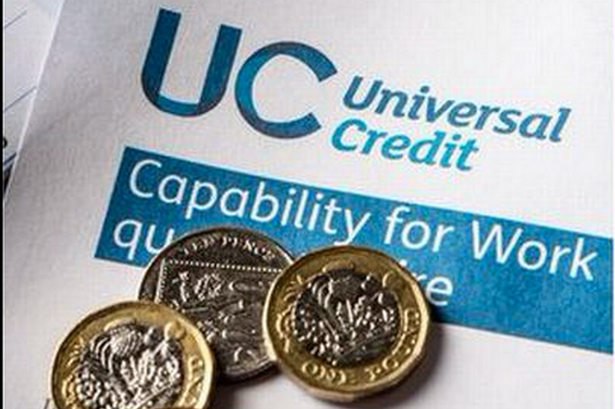
The UK Government’s Department for Work and Pensions (DWP) has announced significant changes to the Universal Credit system, set to take effect in March 2024. These changes aim to redefine welfare support and encourage more individuals to enter the workforce.
The reforms come as legislation designed to “rebalance the benefits system” recently passed through Parliament. The government stated that the current structure, inherited from the previous Conservative administration, leads to discrepancies in payments. Individuals receiving Universal Credit for health reasons currently receive more than double the amount allocated to a single person seeking employment. This disparity has prompted the DWP to introduce a lower health element rate of £217.26 per month for new claimants, a significant decrease from the higher rate of £429.80.
Those with severe, lifelong conditions, individuals nearing the end of life, and existing health claimants will continue to receive the higher amount. The DWP emphasized the need for these reforms to eliminate what it described as “perverse incentives” that have hindered progress towards employment for many.
Pat McFadden, the Secretary of State for Work and Pensions, highlighted the government’s commitment to transforming the welfare system. He stated, “The benefits system we inherited was rigged with the wrong incentives and wrote people off instead of backing them. We are changing this.” McFadden added that the reforms aim to put more money in the pockets of working individuals on Universal Credit while ensuring that those who are able to work receive necessary support.
In conjunction with the adjustments to Universal Credit, the UK Government is investing over £3.5 billion in employment support by the end of the decade. This investment is designed to ensure that everyone affected by the changes will receive personalized assistance to access skills that can lead to stable employment and improved living standards.
As part of its focus on addressing the rising cost of living, the government will implement the first sustained above-inflation increase to the standard rate of Universal Credit. Nearly four million households are expected to benefit from this increase, which is projected to provide a cash boost of approximately £295 for individuals aged 25 and over this year, potentially rising to £760 by 2030.
To further enhance support for those on health-related benefits, the DWP has confirmed that more than 1,000 Pathways to Work advisers will be stationed in Jobcentres across Scotland, England, and Wales. These advisers will offer personalized assistance to individuals who receive health-related benefits without requiring them to work. The DWP anticipates that tens of thousands of claimants will take advantage of this support, with an estimated 65,000 people expected to benefit in the current financial year.
The government is also on track to fulfill its promise of offering individualized support to all those impacted by the forthcoming Universal Credit reforms. New initiatives, such as the WorkWell program, are being rolled out across England to assist up to 250,000 additional individuals. Meanwhile, the Connect to Work scheme aims to provide tailored support for another 300,000 people over the next five years.
With approximately 2.8 million individuals currently unemployed due to long-term health issues, the government views these measures as critical to its Plan for Change. The DWP stated that the reforms are expected to save taxpayers £950 million by the fiscal year 2030/31, while promoting fairness for both working individuals and taxpayers.
In response to the impending changes, Warren Kirwan, Media Manager at the disability equality charity Scope, expressed concern. He stated, “These cuts to Universal Credit will only make it harder for disabled people to get into work. The health element of Universal Credit only exists because it’s more expensive and often takes longer for disabled people to get into work. We urge the government to properly listen and engage with disabled people to build a welfare system that supports them and addresses the extra costs they face.”
As the UK Government prepares to implement these significant changes, the focus remains on creating a welfare system that promotes work and offers a pathway to a better future for all citizens.

Moyes Faces Referee Controversy Ahead of Everton vs Chelsea Clash

Man Hospitalised After Assault Outside Shop in Sandwell

Fred MacAulay and Ally McCoist Reunite for Special World Cup Show

NoOnes Targets $1 Trillion Gift Card Market to Enhance Crypto Access

Beloved Actor Matt Clark Passes Away at 89, Fans Mourn Loss

Discover How Milk Thistle Supplements Enhance Liver Health

Irish Community Care Celebrates 60 Years of Support in Liverpool

New Affordable Housing Development Planned for Crawley Site

Millions of Parking Tickets Issued Amid Calls for Reform

Claire Tomlinson Bids Farewell to Sky Sports After 27 Years

Iconic 90s TV Show House Hits Market for £1.1 Million

Tributes Flow for Kerry Gentle, Beloved RNLI Volunteer and Artist

Nathan Cleary’s Family Celebrates Engagement Amid Romance Rumors

Milk Bank Urges Mothers to Donate for Premature Babies’ Health

Shoppers Flock to Discounted Neck Pillow on Amazon for Travel Comfort

Alessia Russo Signs Long-Term Deal with Arsenal Ahead of WSL Season

Nuneaton Town FC Advances Plans for New Stadium in Stockingford

Museums Body Critiques EHRC Proposals on Gender Facilities
-
 Lifestyle7 months ago
Claire Tomlinson Bids Farewell to Sky Sports After 27 Years
-
 Entertainment10 months ago
Iconic 90s TV Show House Hits Market for £1.1 Million
-
 Lifestyle7 months ago
Tributes Flow for Kerry Gentle, Beloved RNLI Volunteer and Artist
-
 Sports1 year ago
Nathan Cleary’s Family Celebrates Engagement Amid Romance Rumors
-
 Lifestyle1 year ago
Milk Bank Urges Mothers to Donate for Premature Babies’ Health
-
 Lifestyle1 year ago
Shoppers Flock to Discounted Neck Pillow on Amazon for Travel Comfort
-
 Sports11 months ago
Alessia Russo Signs Long-Term Deal with Arsenal Ahead of WSL Season
-
 Sports9 months ago
Nuneaton Town FC Advances Plans for New Stadium in Stockingford
-
 Politics1 year ago
Museums Body Critiques EHRC Proposals on Gender Facilities
-

 Lifestyle1 year ago
Exploring England’s Cathedrals: A Journey Through History and Architecture
-

 Business1 year ago
Trump Visits Europe: Business, Politics, or Leisure?
-

 Lifestyle1 year ago
Japanese Teen Sorato Shimizu Breaks U18 100m Record in 10 Seconds