
Lifestyle
Kemi Badenoch Criticized for PMQs Performance Amid Iran Tensions

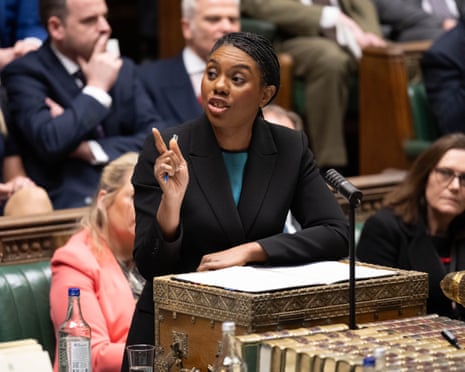
During a tense session of Prime Minister’s Questions (PMQs) on March 6, 2024, Kemi Badenoch’s performance faced significant criticism as she struggled to address the escalating situation in Iran. With geopolitical tensions rising, particularly following remarks from former US President Donald Trump, Badenoch’s responses were perceived as lacking depth and seriousness.
The backdrop of the debate was marked by fears of potential military conflict in the Middle East, creating an atmosphere that required a nuanced understanding of international relations. In contrast to previous PMQs, where leaders set aside political rivalries for national security, Badenoch’s approach appeared misaligned with the gravity of the situation.
Keir Starmer, the leader of the Labour Party, opened with a focus on the protection of UK nationals in the region, emphasizing the need for a strategic and measured response. Starmer’s demeanor was serious, reflecting the importance of the topic, while Badenoch’s tone shifted to a more aggressive stance, advocating for military escalation without offering coherent rationale.
Critics noted that Badenoch’s comments suggested a lack of awareness regarding the complexities of military engagement. Her statement that “no part of Iran should be off-limits for bombing” raised eyebrows, as it contradicted her own uncertainties about the efficacy of such actions. This lack of clarity was starkly contrasted by Starmer’s caution against repeating past mistakes, particularly in light of the Iraq War’s legacy.
The debate intensified when Badenoch, while discussing the state of the British armed forces, seemed to deflect attention away from the Conservative government’s previous budget cuts. Instead of acknowledging the current challenges, she blamed the Labour Party for deficits in military funding, a move that many viewed as an evasion of accountability. This led to a tense exchange where Starmer highlighted the consequences of Conservative policies over the past 14 years.
As the session progressed, Badenoch’s failure to engage with the pressing issues at hand became increasingly evident. Her remarks about prioritizing military spending over social benefits, framed as a critique of Labour, appeared disconnected from the immediate concerns of safety and diplomatic relations. The stark contrast between her approach and Starmer’s was apparent, as the latter focused on strategy and long-term implications rather than impulsive reactions.
The session concluded with an overwhelming consensus among observers that Badenoch’s performance was inadequate for the demands of the moment. Her insistence on a “bombety bomb” approach left many questioning her readiness to lead, particularly during a national crisis. The reflection of her comments in public opinion polls indicates a growing disconnect between her views and those of the electorate, further complicating her position within the Conservative Party.
In summary, Kemi Badenoch’s handling of the PMQs on March 6 highlighted significant shortcomings in her grasp of both the nuances of international relations and the responsibilities of leadership during crises. The session served as a reminder of the challenges facing political figures who must balance party politics with the urgent needs of national and global security.

Moyes Faces Referee Controversy Ahead of Everton vs Chelsea Clash

Man Hospitalised After Assault Outside Shop in Sandwell

Fred MacAulay and Ally McCoist Reunite for Special World Cup Show

NoOnes Targets $1 Trillion Gift Card Market to Enhance Crypto Access

Beloved Actor Matt Clark Passes Away at 89, Fans Mourn Loss

Discover How Milk Thistle Supplements Enhance Liver Health

Irish Community Care Celebrates 60 Years of Support in Liverpool

New Affordable Housing Development Planned for Crawley Site

Millions of Parking Tickets Issued Amid Calls for Reform

Claire Tomlinson Bids Farewell to Sky Sports After 27 Years

Iconic 90s TV Show House Hits Market for £1.1 Million

Nathan Cleary’s Family Celebrates Engagement Amid Romance Rumors

Tributes Flow for Kerry Gentle, Beloved RNLI Volunteer and Artist

Milk Bank Urges Mothers to Donate for Premature Babies’ Health

Shoppers Flock to Discounted Neck Pillow on Amazon for Travel Comfort

Alessia Russo Signs Long-Term Deal with Arsenal Ahead of WSL Season

Nuneaton Town FC Advances Plans for New Stadium in Stockingford

Exploring England’s Cathedrals: A Journey Through History and Architecture
-
 Lifestyle8 months ago
Claire Tomlinson Bids Farewell to Sky Sports After 27 Years
-
 Entertainment11 months ago
Iconic 90s TV Show House Hits Market for £1.1 Million
-
 Sports1 year ago
Nathan Cleary’s Family Celebrates Engagement Amid Romance Rumors
-
 Lifestyle8 months ago
Tributes Flow for Kerry Gentle, Beloved RNLI Volunteer and Artist
-
 Lifestyle1 year ago
Milk Bank Urges Mothers to Donate for Premature Babies’ Health
-
 Lifestyle1 year ago
Shoppers Flock to Discounted Neck Pillow on Amazon for Travel Comfort
-
 Sports12 months ago
Alessia Russo Signs Long-Term Deal with Arsenal Ahead of WSL Season
-
 Sports9 months ago
Nuneaton Town FC Advances Plans for New Stadium in Stockingford
-
 Lifestyle1 year ago
Exploring England’s Cathedrals: A Journey Through History and Architecture
-

 Politics1 year ago
Museums Body Critiques EHRC Proposals on Gender Facilities
-

 Business1 year ago
Trump Visits Europe: Business, Politics, or Leisure?
-

 Lifestyle1 year ago
Japanese Teen Sorato Shimizu Breaks U18 100m Record in 10 Seconds