
Top Stories
EU Delays Montenegro’s Membership Talks Amid Democracy Concerns

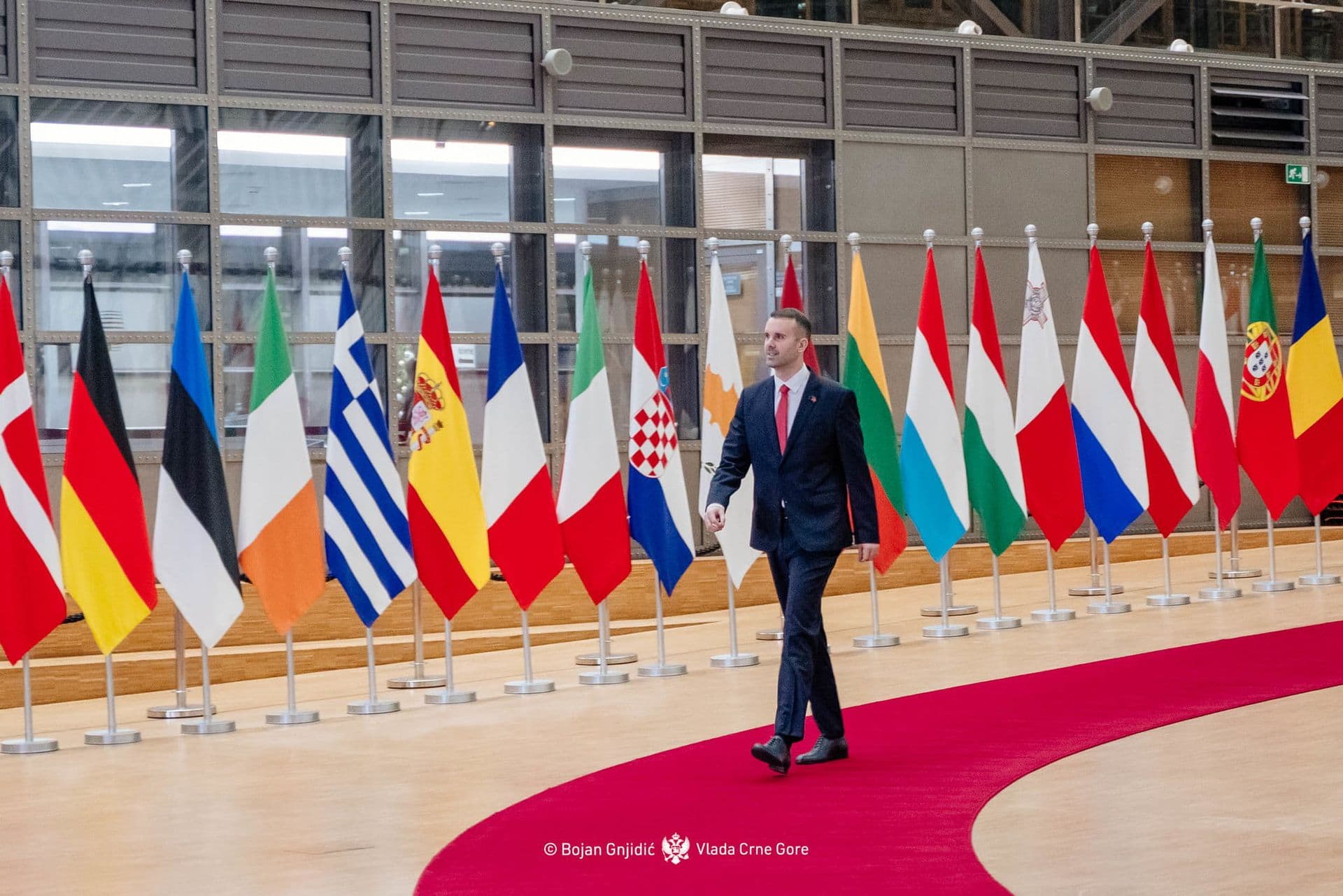
The European Union has declined to approve the initiation of accession talks with Montenegro, raising significant concerns regarding the Balkan nation’s commitment to democratic principles. The decision reflects the EU’s intent to prevent any potential deterioration in governance, particularly in light of Hungary’s recent democratic backsliding.
Montenegro, which is nearing the completion of its EU membership negotiations, has been identified as a key candidate in a broader strategy to ensure that no new member state undermines the EU’s foundational values. According to POLITICO, this strategy involves using Montenegro as a test case to establish safeguards in future accession agreements.
In recent discussions, Jakov Milatovic, the President of Montenegro, indicated that he is actively engaging with EU officials and member states to outline what these negotiations might entail. Notably, these conversations were part of his agenda during a recent visit to Iceland, which is set to assume the presidency of the EU Council in the latter half of this year.
Long-term Safeguards Proposed
The European Commission aims to incorporate “long-term safeguard measures” into Montenegro’s accession agreement. A Commission official stated that these provisions would allow the EU to respond effectively should Montenegro regress on issues related to democracy or the rule of law. This agreement is expected to set a precedent for future accession contracts, emphasizing the importance of adherence to EU values.
Montenegro is not alone in its EU aspirations; Ukraine is also seeking membership by 2027, hoping to be included in a peace agreement with Russia. Meanwhile, Iceland plans to hold a referendum regarding the resumption of its own EU membership discussions.
Despite the ongoing dialogue, Milatovic expressed uncertainty about the final form of the contract, stating that Montenegro is awaiting additional information from the European Commission. He noted that discussions at the Commission’s headquarters in Brussels focus on lessons learned from the EU’s 2004 enlargement, which included the accession of Hungary, Slovakia, and several other countries.
Complexities and Challenges Ahead
One of the primary objectives for the Commission is to ensure that Montenegro and other prospective members do not replicate Hungary’s challenges. Under Viktor Orban, Hungary has become a point of contention within the EU, notably blocking sanctions against Russia and financial aid to Ukraine. The Commission’s current priority is to prevent a similar trajectory for Montenegro.
The drafting of Montenegro’s accession agreement will be coordinated by a working group organized under the Cypriot presidency of the EU Council, with contributions from all member states. A spokesperson for the Cypriot presidency has refrained from indicating when this group will convene, but a Commission official has suggested it will occur within “a few weeks.”
As discussions continue, the EU faces pressure from various member states to reach a consensus on the proposed safeguards. A prominent EU diplomat revealed that while ideas are circulating, no concrete proposals have emerged regarding the specific nature of these protective measures.
Some early suggestions include the suspension of veto rights for Montenegro and similar countries if they violate core EU principles, particularly concerning the rule of law. The duration of these safeguards is also a topic of discussion, with past clauses implemented for 2004 entrants allowing activation only three years post-accession, which were criticized for not being robust enough.
Montenegro’s government has expressed concern over any restrictions on its voting rights within the EU. The Montenegrin official emphasized that while the country is open to other safeguard measures, it would resist any limitations on its voting power in decision-making processes.
At a recent dinner in Brussels attended by EU ambassadors and Ursula von der Leyen‘s chief of staff, discussions about the enlargement process took center stage. However, proposals such as “reverse enlargement,” which would grant candidate countries EU membership with limited privileges, have faced strong opposition from various diplomats.
The overall success of Montenegro’s EU accession will depend significantly on its ability to achieve its ambitious goal of becoming the EU’s 28th member by 2028. To realize this objective, the nation must align its legislation with EU standards, which requires passing numerous laws.
Nevertheless, the rapid pace of reforms has sparked internal political conflicts. Last month, Milatovic criticized lawmakers for passing legislation without thorough readings or discussions, initially refusing to sign the bills into law. He remarked, “It is not a European standard to simply raise a hand and receive a salary,” emphasizing the need for thoughtful legislative processes.
Despite the challenges, some EU officials believe that Montenegro’s goal of joining the EU by 2028 is “technically feasible,” particularly if the country remains committed. Yet, they acknowledge the complexities of the political landscape.
Milatovic recognized the hurdles ahead, stating, “It is not easy to complete 20 chapters in less than ten months.” He underscored the need for intensified efforts to ensure Montenegro meets its EU accession timeline, highlighting the significance of both political will and practical governance in this pursuit.

Moyes Faces Referee Controversy Ahead of Everton vs Chelsea Clash

Man Hospitalised After Assault Outside Shop in Sandwell

Fred MacAulay and Ally McCoist Reunite for Special World Cup Show

NoOnes Targets $1 Trillion Gift Card Market to Enhance Crypto Access

Beloved Actor Matt Clark Passes Away at 89, Fans Mourn Loss

Discover How Milk Thistle Supplements Enhance Liver Health

Irish Community Care Celebrates 60 Years of Support in Liverpool

New Affordable Housing Development Planned for Crawley Site

Millions of Parking Tickets Issued Amid Calls for Reform

Claire Tomlinson Bids Farewell to Sky Sports After 27 Years

Iconic 90s TV Show House Hits Market for £1.1 Million

Tributes Flow for Kerry Gentle, Beloved RNLI Volunteer and Artist

Nathan Cleary’s Family Celebrates Engagement Amid Romance Rumors

Milk Bank Urges Mothers to Donate for Premature Babies’ Health

Shoppers Flock to Discounted Neck Pillow on Amazon for Travel Comfort

Alessia Russo Signs Long-Term Deal with Arsenal Ahead of WSL Season

Nuneaton Town FC Advances Plans for New Stadium in Stockingford

Museums Body Critiques EHRC Proposals on Gender Facilities
-
 Lifestyle6 months ago
Claire Tomlinson Bids Farewell to Sky Sports After 27 Years
-
 Entertainment9 months ago
Iconic 90s TV Show House Hits Market for £1.1 Million
-
 Lifestyle6 months ago
Tributes Flow for Kerry Gentle, Beloved RNLI Volunteer and Artist
-
 Sports11 months ago
Nathan Cleary’s Family Celebrates Engagement Amid Romance Rumors
-
 Lifestyle11 months ago
Milk Bank Urges Mothers to Donate for Premature Babies’ Health
-
 Lifestyle11 months ago
Shoppers Flock to Discounted Neck Pillow on Amazon for Travel Comfort
-
 Sports10 months ago
Alessia Russo Signs Long-Term Deal with Arsenal Ahead of WSL Season
-
 Sports8 months ago
Nuneaton Town FC Advances Plans for New Stadium in Stockingford
-
 Politics11 months ago
Museums Body Critiques EHRC Proposals on Gender Facilities
-

 Lifestyle11 months ago
Exploring England’s Cathedrals: A Journey Through History and Architecture
-

 Business11 months ago
Trump Visits Europe: Business, Politics, or Leisure?
-

 Lifestyle11 months ago
Japanese Teen Sorato Shimizu Breaks U18 100m Record in 10 Seconds