
Health
5 Hairstyles That May Age You and Fresh Alternatives to Try

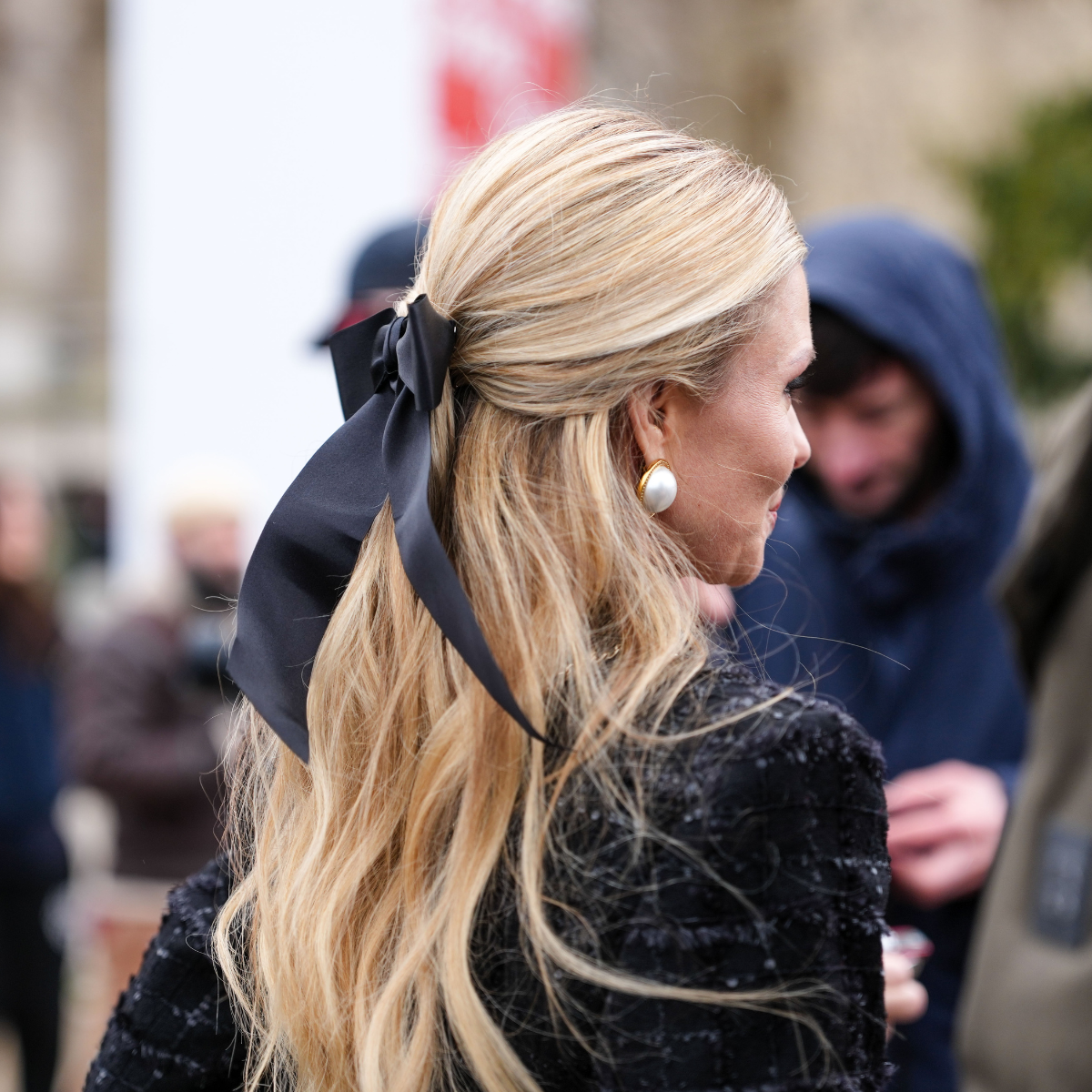
When it comes to personal grooming, many individuals focus extensively on skincare, investing in products like potent retinol serums, luxurious overnight masks, and high-SPF sunscreens. However, the same level of consideration often does not extend to hairstyles. A haircut can significantly affect one’s appearance, enhancing features or inadvertently adding years. According to Andreas Wild, a stylist at Larry King Salon in Notting Hill, the issue lies not merely in age itself but in opting for hairstyles that come off as dated or disconnected from natural textures and facial shapes.
Common Hairstyles That Can Age You
Several hairstyles can unintentionally create an older appearance. Overly layered cuts are frequently cited as problematic. While layers can add movement, excessive layering can result in a wispy, frizzy look. “When hair is chopped into too many layers, the ends can look thin and lack structure,” Wild notes. Instead of enhancing volume, too many layers can detract from a healthy appearance.
Wild advocates for a more modern approach to layering, emphasizing subtlety. “You want to maintain strength through the perimeter while introducing gentle layers that enhance movement without sacrificing density,” he explains. This approach preserves the hair’s health and gives it a more youthful look.
Fringes also hold the potential for transformation but can easily sway into unflattering territory. Thick, blunt fringes can appear heavy and severe. Conversely, overly thin fringes may emphasize fine lines. Wild recommends a longer, softer fringe that seamlessly blends into the rest of the style. “It frames the face gently and grows out beautifully, making it far more wearable,” he says.
Another classic, the bob, remains a popular choice but has evolved over the years. While the sharply angled bob, shorter in the back and longer in the front, was a trend in the early 2000s, it risks looking rigid today. Wild suggests a softer bob that incorporates natural movement instead of structure. “Think less rigidity and more fluidity,” he advises, recommending styles like the bubble bob for added volume or the tucked bob for gentle face framing.
Long Hair: The Importance of Shape
Long hair can be beautiful regardless of age, but a lack of shape can drag the face down. “When hair becomes very long and flat, it can pull the features downward,” Wild explains. He insists that long hair can still be flattering if it has shape—face-framing layers, healthy ends, and some movement can make a significant difference.
Perhaps one of the most vital considerations is choosing a hairstyle that works with one’s natural hair type. Wild points out that many individuals make the mistake of selecting styles that do not complement their hair’s inherent texture. “If you’re battling your hair every single day to make it behave, the cut probably isn’t working with your texture,” he states. Whether one has waves, curls, or straight hair, modern haircuts should support the natural movement, resulting in a more effortless and youthful look.
By acknowledging the impact of hairstyle on overall appearance, individuals can make more informed decisions about their grooming choices, ultimately enhancing their look and confidence.

Moyes Faces Referee Controversy Ahead of Everton vs Chelsea Clash

Man Hospitalised After Assault Outside Shop in Sandwell

Fred MacAulay and Ally McCoist Reunite for Special World Cup Show

NoOnes Targets $1 Trillion Gift Card Market to Enhance Crypto Access

Beloved Actor Matt Clark Passes Away at 89, Fans Mourn Loss

Discover How Milk Thistle Supplements Enhance Liver Health

Irish Community Care Celebrates 60 Years of Support in Liverpool

New Affordable Housing Development Planned for Crawley Site

Millions of Parking Tickets Issued Amid Calls for Reform

Claire Tomlinson Bids Farewell to Sky Sports After 27 Years

Iconic 90s TV Show House Hits Market for £1.1 Million

Nathan Cleary’s Family Celebrates Engagement Amid Romance Rumors

Tributes Flow for Kerry Gentle, Beloved RNLI Volunteer and Artist

Milk Bank Urges Mothers to Donate for Premature Babies’ Health

Shoppers Flock to Discounted Neck Pillow on Amazon for Travel Comfort

Alessia Russo Signs Long-Term Deal with Arsenal Ahead of WSL Season

Nuneaton Town FC Advances Plans for New Stadium in Stockingford

Exploring England’s Cathedrals: A Journey Through History and Architecture
-
 Lifestyle8 months ago
Claire Tomlinson Bids Farewell to Sky Sports After 27 Years
-
 Entertainment11 months ago
Iconic 90s TV Show House Hits Market for £1.1 Million
-
 Sports1 year ago
Nathan Cleary’s Family Celebrates Engagement Amid Romance Rumors
-
 Lifestyle8 months ago
Tributes Flow for Kerry Gentle, Beloved RNLI Volunteer and Artist
-
 Lifestyle1 year ago
Milk Bank Urges Mothers to Donate for Premature Babies’ Health
-
 Lifestyle1 year ago
Shoppers Flock to Discounted Neck Pillow on Amazon for Travel Comfort
-
 Sports12 months ago
Alessia Russo Signs Long-Term Deal with Arsenal Ahead of WSL Season
-
 Sports9 months ago
Nuneaton Town FC Advances Plans for New Stadium in Stockingford
-
 Lifestyle1 year ago
Exploring England’s Cathedrals: A Journey Through History and Architecture
-

 Politics1 year ago
Museums Body Critiques EHRC Proposals on Gender Facilities
-

 Business1 year ago
Trump Visits Europe: Business, Politics, or Leisure?
-

 Lifestyle1 year ago
Japanese Teen Sorato Shimizu Breaks U18 100m Record in 10 Seconds