
Entertainment
Smashing Pumpkins’ Billy Corgan Claims Rock Music Is Marginalized

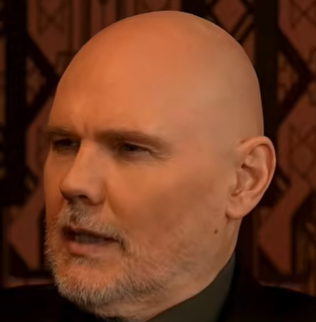
Billy Corgan, the frontman of the band Smashing Pumpkins, has put forth a provocative theory suggesting that rock music has been deliberately sidelined in popular culture, particularly on MTV, since the late 1990s. During an episode of his podcast, “The Magnificent Others,” Corgan discussed the decline of rock’s visibility in the 21st century with writer and cultural commentator Konrad Flin. He expressed concerns that this trend might be linked to influences as far-reaching as the Central Intelligence Agency (CIA).
Corgan’s comments focused on a pivotal moment in music history, stating, “I believe rock has been intentionally muted in culture.” He referred to the shift in programming on MTV around 1997 or 1998, when the network abruptly transitioned away from promoting rock music, despite its ongoing popularity. “It was replaced by rap,” Corgan noted, emphasizing that the network’s standards and practices changed rapidly during that period.
The musician also highlighted the stark contrast in representation, stating, “People were waving guns on screen,” suggesting an increase in controversial content that was previously deemed unacceptable. “Some claim the CIA may have been involved in all of this. Again, I can’t judge that, but I witnessed the change firsthand,” he added, indicating his personal experience with the evolving music landscape.
While ticket sales for rock concerts remain strong, Corgan lamented the lack of a significant cultural voice for rock artists today. He acknowledged that despite the emergence of new, high-quality music and artists in recent years, a noticeable shift had occurred. “I’ve seen how this change took place. Now it seems that rap is weakening in terms of its cultural impact, while pop dominates completely,” he remarked.
Corgan pointed to the paradox where rock continues to lead in ticket sales in the Western world, yet it struggles for representation in mainstream culture. “Why do we have this divide? I believe they have intentionally diminished rock stars’ capacity to have a voice in culture,” he stated, underscoring his belief that the genre’s marginalization is both deliberate and systemic.
As conversations around the evolution of music genres continue, Corgan’s insights spark a broader discussion about the industry’s trajectory and the potential influences that shape cultural representation.

Moyes Faces Referee Controversy Ahead of Everton vs Chelsea Clash

Man Hospitalised After Assault Outside Shop in Sandwell

Fred MacAulay and Ally McCoist Reunite for Special World Cup Show

NoOnes Targets $1 Trillion Gift Card Market to Enhance Crypto Access

Beloved Actor Matt Clark Passes Away at 89, Fans Mourn Loss

Discover How Milk Thistle Supplements Enhance Liver Health

Irish Community Care Celebrates 60 Years of Support in Liverpool

New Affordable Housing Development Planned for Crawley Site

Millions of Parking Tickets Issued Amid Calls for Reform

Claire Tomlinson Bids Farewell to Sky Sports After 27 Years

Iconic 90s TV Show House Hits Market for £1.1 Million

Tributes Flow for Kerry Gentle, Beloved RNLI Volunteer and Artist

Nathan Cleary’s Family Celebrates Engagement Amid Romance Rumors

Milk Bank Urges Mothers to Donate for Premature Babies’ Health

Shoppers Flock to Discounted Neck Pillow on Amazon for Travel Comfort

Alessia Russo Signs Long-Term Deal with Arsenal Ahead of WSL Season

Nuneaton Town FC Advances Plans for New Stadium in Stockingford

Museums Body Critiques EHRC Proposals on Gender Facilities
-
 Lifestyle7 months ago
Claire Tomlinson Bids Farewell to Sky Sports After 27 Years
-
 Entertainment10 months ago
Iconic 90s TV Show House Hits Market for £1.1 Million
-
 Lifestyle7 months ago
Tributes Flow for Kerry Gentle, Beloved RNLI Volunteer and Artist
-
 Sports12 months ago
Nathan Cleary’s Family Celebrates Engagement Amid Romance Rumors
-
 Lifestyle1 year ago
Milk Bank Urges Mothers to Donate for Premature Babies’ Health
-
 Lifestyle1 year ago
Shoppers Flock to Discounted Neck Pillow on Amazon for Travel Comfort
-
 Sports11 months ago
Alessia Russo Signs Long-Term Deal with Arsenal Ahead of WSL Season
-
 Sports9 months ago
Nuneaton Town FC Advances Plans for New Stadium in Stockingford
-
 Politics1 year ago
Museums Body Critiques EHRC Proposals on Gender Facilities
-

 Lifestyle12 months ago
Exploring England’s Cathedrals: A Journey Through History and Architecture
-

 Business1 year ago
Trump Visits Europe: Business, Politics, or Leisure?
-

 Lifestyle1 year ago
Japanese Teen Sorato Shimizu Breaks U18 100m Record in 10 Seconds