
Politics
Upholding International Law: A Call to Action for Global Stability

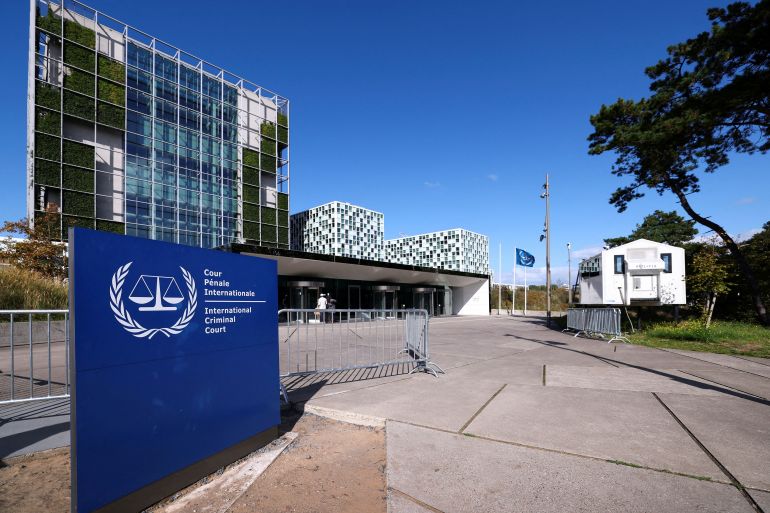
The integrity of international law faces significant challenges in an increasingly multipolar world, as various powers prioritize self-interest over collective security. Originally established in the aftermath of World War II, the post-war order aimed to prevent future conflicts and promote human rights. Yet, the principles underpinning this framework are now under severe strain.
The United Nations Charter, a cornerstone of this architecture, asserts that no state may threaten or use force except in self-defense or with the authorization of the UN Security Council. This foundational norm is now fraying, allowing for a disturbing trend where the threat of force becomes normalized. The implications of this shift are profound, as the post-war system shifts towards a “force-based order,” where power supplants law.
Multilateral institutions, once central to maintaining peace, are increasingly marginalized. The International Court of Justice has played a crucial role in resolving disputes through legal means, demonstrating the effectiveness of law over military confrontation. However, as major powers defy established norms, the credibility of these institutions erodes, threatening the very fabric of international law.
The rise of ultranationalism and hyper-competitive state rivalries complicates the landscape further. The fragmentation of longstanding alliances and the selective application of laws contribute to a perception that international justice is contingent upon political expediency. This hypocrisy undermines the universality of human rights and casts doubt on the commitment to uphold dignity for all.
The disparity in global responses to various conflicts over the past decade highlights this inconsistency. When reactions to humanitarian crises depend on political interests or media attention, the core principle of human rights is compromised. The selective invocation of these rights as tactical instruments further trivializes the suffering of victims and perpetuates conditions for future violations.
In this context, smaller states and middle powers must not remain passive. They must coordinate efforts to reinforce a rules-based global system, recognizing that the Western world constitutes only about 11 to 15 percent of the global population. The remaining 85 to 89 percent reside outside this sphere, and a collaborative effort is essential to safeguard peace and stability.
International law demands unwavering commitment, even when it challenges prevailing sentiments or powerful interests. Ethical leadership is vital; the integrity of international institutions hinges on the dedication of their stewards to uphold justice impartially. When these foundations are compromised, the consequences are dire: public confidence wanes, victims suffer renewed injustices, and adversaries are empowered.
The erosion of international law not only jeopardizes security for all but also invites instability and chaos. To allow this decline is to endorse a governing principle of disorder, with devastating implications for societies worldwide. The cost of complacency manifests in shattered security, fractured institutions, and immense human suffering.
Upholding international law is not merely an act of enforcement; it shapes the trajectory of civilization itself. The rule of law stands as humanity’s foremost defender, guiding the transition from brute force towards greater justice and order. It is imperative that nations unite in this effort, recognizing that their collective future depends on a steadfast commitment to the principles that safeguard peace.
Indifference and passive acceptance are not options. A robust defense of international law is necessary to counteract the reckless impulses of aggressors. By doing so, nations not only protect their own interests but also contribute to a more stable and just world. The time has come for global actors to reaffirm their dedication to international law, ensuring that the lessons of the past guide the path forward.

Moyes Faces Referee Controversy Ahead of Everton vs Chelsea Clash

Man Hospitalised After Assault Outside Shop in Sandwell

Fred MacAulay and Ally McCoist Reunite for Special World Cup Show

NoOnes Targets $1 Trillion Gift Card Market to Enhance Crypto Access

Beloved Actor Matt Clark Passes Away at 89, Fans Mourn Loss

Discover How Milk Thistle Supplements Enhance Liver Health

Irish Community Care Celebrates 60 Years of Support in Liverpool

New Affordable Housing Development Planned for Crawley Site

Millions of Parking Tickets Issued Amid Calls for Reform

Claire Tomlinson Bids Farewell to Sky Sports After 27 Years

Iconic 90s TV Show House Hits Market for £1.1 Million

Tributes Flow for Kerry Gentle, Beloved RNLI Volunteer and Artist

Nathan Cleary’s Family Celebrates Engagement Amid Romance Rumors

Milk Bank Urges Mothers to Donate for Premature Babies’ Health

Shoppers Flock to Discounted Neck Pillow on Amazon for Travel Comfort

Alessia Russo Signs Long-Term Deal with Arsenal Ahead of WSL Season

Nuneaton Town FC Advances Plans for New Stadium in Stockingford

Museums Body Critiques EHRC Proposals on Gender Facilities
-
 Lifestyle6 months ago
Claire Tomlinson Bids Farewell to Sky Sports After 27 Years
-
 Entertainment9 months ago
Iconic 90s TV Show House Hits Market for £1.1 Million
-
 Lifestyle6 months ago
Tributes Flow for Kerry Gentle, Beloved RNLI Volunteer and Artist
-
 Sports11 months ago
Nathan Cleary’s Family Celebrates Engagement Amid Romance Rumors
-
 Lifestyle11 months ago
Milk Bank Urges Mothers to Donate for Premature Babies’ Health
-
 Lifestyle11 months ago
Shoppers Flock to Discounted Neck Pillow on Amazon for Travel Comfort
-
 Sports10 months ago
Alessia Russo Signs Long-Term Deal with Arsenal Ahead of WSL Season
-
 Sports8 months ago
Nuneaton Town FC Advances Plans for New Stadium in Stockingford
-
 Politics11 months ago
Museums Body Critiques EHRC Proposals on Gender Facilities
-

 Lifestyle11 months ago
Exploring England’s Cathedrals: A Journey Through History and Architecture
-

 Business11 months ago
Trump Visits Europe: Business, Politics, or Leisure?
-

 Lifestyle11 months ago
Japanese Teen Sorato Shimizu Breaks U18 100m Record in 10 Seconds