
World
New Pet Licensing Rules for Primates Take Effect in April

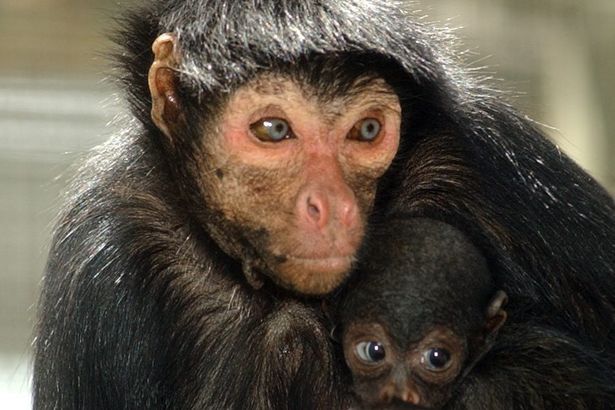
Starting on April 6, 2024, new regulations in the UK will require pet owners of certain primates to obtain a licence from their local council. This change, aimed at ensuring high welfare standards for these animals, comes as an estimated 5,000 primates, including monkeys and lemurs, are currently kept in domestic settings across the country.
Under the new rules, individuals wishing to keep primates such as marmosets, lemurs, squirrel monkeys, spider monkeys, and capuchin monkeys will need to apply for a valid primate licence. The cost of obtaining this licence varies by local authority. For example, Cannock Chase Council has set the application fee at £478.10, which includes an inspection of the premises by a veterinarian and a qualified officer.
The regulations are designed to align the care of pet primates with welfare standards similar to those in licensed zoos. Failure to comply with the licensing requirement could lead to serious penalties under the Animal Welfare Act 2006, including a prison term of up to six months, an unlimited fine, or both.
Local Authorities Prepare for Licensing Implementation
Cannock Chase Council has proactively reached out to veterinarians in the district, encouraging them to inform customers about the new licensing requirements. The council is urging existing primate owners to apply for their licences before the regulations come into effect.
In Dudley, the application fee for a primate licence is set at £264.64, with a renewal fee of £216.92. Like Cannock Chase, Dudley Council requires applicants to meet strict welfare standards. These include provisions for veterinary care, tailored diet plans, suitable housing, and enrichment activities. Additionally, applicants must maintain records and have emergency and hygiene procedures in place. Applications in Dudley will open in April, and residents must apply to the local authority where the primate will be housed.
Birmingham City Council has also made information available regarding the new licensing process. Residents interested in obtaining a primate licence can contact the council via email at [email protected] for further details. Notably, a licence is not required if the primate is kept in a licensed zoo under the Zoo Licensing Act 1981, or for scientific purposes under an ASPA licence (Animals (Scientific Procedures) Act 1986).
The introduction of these regulations reflects a growing awareness of the welfare needs of primates in domestic settings and aims to safeguard their health and wellbeing. As pet ownership practices evolve, authorities are taking steps to ensure that those who keep these unique animals are adequately prepared and informed about their responsibilities.

Moyes Faces Referee Controversy Ahead of Everton vs Chelsea Clash

Man Hospitalised After Assault Outside Shop in Sandwell

Fred MacAulay and Ally McCoist Reunite for Special World Cup Show

NoOnes Targets $1 Trillion Gift Card Market to Enhance Crypto Access

Beloved Actor Matt Clark Passes Away at 89, Fans Mourn Loss

Discover How Milk Thistle Supplements Enhance Liver Health

Irish Community Care Celebrates 60 Years of Support in Liverpool

New Affordable Housing Development Planned for Crawley Site

Millions of Parking Tickets Issued Amid Calls for Reform

Claire Tomlinson Bids Farewell to Sky Sports After 27 Years

Iconic 90s TV Show House Hits Market for £1.1 Million

Tributes Flow for Kerry Gentle, Beloved RNLI Volunteer and Artist

Nathan Cleary’s Family Celebrates Engagement Amid Romance Rumors

Milk Bank Urges Mothers to Donate for Premature Babies’ Health

Shoppers Flock to Discounted Neck Pillow on Amazon for Travel Comfort

Alessia Russo Signs Long-Term Deal with Arsenal Ahead of WSL Season

Nuneaton Town FC Advances Plans for New Stadium in Stockingford

Museums Body Critiques EHRC Proposals on Gender Facilities
-
 Lifestyle5 months ago
Claire Tomlinson Bids Farewell to Sky Sports After 27 Years
-
 Entertainment8 months ago
Iconic 90s TV Show House Hits Market for £1.1 Million
-
 Lifestyle5 months ago
Tributes Flow for Kerry Gentle, Beloved RNLI Volunteer and Artist
-
 Sports10 months ago
Nathan Cleary’s Family Celebrates Engagement Amid Romance Rumors
-
 Lifestyle10 months ago
Milk Bank Urges Mothers to Donate for Premature Babies’ Health
-
 Lifestyle10 months ago
Shoppers Flock to Discounted Neck Pillow on Amazon for Travel Comfort
-
 Sports9 months ago
Alessia Russo Signs Long-Term Deal with Arsenal Ahead of WSL Season
-
 Sports6 months ago
Nuneaton Town FC Advances Plans for New Stadium in Stockingford
-
 Politics10 months ago
Museums Body Critiques EHRC Proposals on Gender Facilities
-

 Business10 months ago
Trump Visits Europe: Business, Politics, or Leisure?
-

 Lifestyle10 months ago
Exploring England’s Cathedrals: A Journey Through History and Architecture
-

 Lifestyle10 months ago
Japanese Teen Sorato Shimizu Breaks U18 100m Record in 10 Seconds