
Health
New Studies Reveal Gut-Brain Links Impact Eating Behaviors

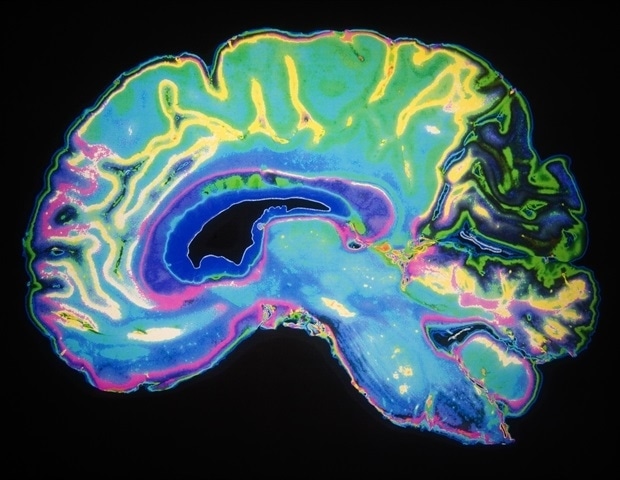
Two recent studies published in the journals Clinical Gastroenterology and Hepatology and Gastroenterology have explored how interactions between the gut and brain influence eating behaviors, emphasizing the role of both biological factors and life circumstances. These findings advocate for a multidisciplinary approach to digestive health and nutrition that is tailored to individual needs.
The research highlights the significant impact of social determinants of health on the gut-brain-microbiome axis, particularly in relation to obesity. Stressful life circumstances can disrupt the balance of this system, potentially leading to altered mood, impaired decision-making, and modified hunger signals. As a result, individuals may be more inclined to crave and consume high-calorie foods.
The studies examined how various social factors—including income, education, and access to healthcare—interact with biological elements to affect eating habits and contribute to obesity. By gaining a deeper understanding of these interactions, healthcare providers can create more effective treatment plans tailored to the unique circumstances of individuals living with obesity. This personalized approach aims to improve health outcomes and enhance quality of life.
Disorders of Gut-Brain Interaction and Food Intake
In a groundbreaking study, researchers identified a significant correlation between disorders of gut-brain interaction and symptoms of avoidant/restrictive food intake disorder in adults. This represents the first general population study to investigate this connection, revealing that over one-third of participants with gut-brain interaction disorders screened positively for symptoms associated with this eating disorder.
Symptoms of avoidant/restrictive food intake disorder include a reluctance to try new foods, sensory-based food avoidance, and a lack of interest in eating. Individuals affected by these symptoms often face substantial health burdens and experience a lower quality of life, regardless of their body mass index.
The findings underscore the necessity for routine screening for avoidant/restrictive food intake disorder among patients with gut-brain interaction disorders. Furthermore, they call for an integrated approach to gastrointestinal, mental, and nutritional health care to better support affected individuals.
The research indicates that communication between the gut and brain is central to understanding eating behavior disorders. It reveals how non-biological stressors, such as discrimination and previous health issues, can shape physiological responses, influencing dietary choices and overall health. Consequently, clinical tools must address not only the dietary habits of patients but also the underlying reasons for their food choices.
As these studies illustrate, a comprehensive understanding of the gut-brain connection can lead to more effective interventions and improved health outcomes for those struggling with obesity and related disorders. The findings were made available through the American Gastroenterological Association, highlighting the increasing importance of addressing complex interactions in digestive health.

Moyes Faces Referee Controversy Ahead of Everton vs Chelsea Clash

Man Hospitalised After Assault Outside Shop in Sandwell

Fred MacAulay and Ally McCoist Reunite for Special World Cup Show

NoOnes Targets $1 Trillion Gift Card Market to Enhance Crypto Access

Beloved Actor Matt Clark Passes Away at 89, Fans Mourn Loss

Discover How Milk Thistle Supplements Enhance Liver Health

Irish Community Care Celebrates 60 Years of Support in Liverpool

New Affordable Housing Development Planned for Crawley Site

Millions of Parking Tickets Issued Amid Calls for Reform

Claire Tomlinson Bids Farewell to Sky Sports After 27 Years

Iconic 90s TV Show House Hits Market for £1.1 Million

Nathan Cleary’s Family Celebrates Engagement Amid Romance Rumors

Tributes Flow for Kerry Gentle, Beloved RNLI Volunteer and Artist

Milk Bank Urges Mothers to Donate for Premature Babies’ Health

Shoppers Flock to Discounted Neck Pillow on Amazon for Travel Comfort

Alessia Russo Signs Long-Term Deal with Arsenal Ahead of WSL Season

Nuneaton Town FC Advances Plans for New Stadium in Stockingford

Exploring England’s Cathedrals: A Journey Through History and Architecture
-
 Lifestyle8 months ago
Claire Tomlinson Bids Farewell to Sky Sports After 27 Years
-
 Entertainment11 months ago
Iconic 90s TV Show House Hits Market for £1.1 Million
-
 Sports1 year ago
Nathan Cleary’s Family Celebrates Engagement Amid Romance Rumors
-
 Lifestyle8 months ago
Tributes Flow for Kerry Gentle, Beloved RNLI Volunteer and Artist
-
 Lifestyle1 year ago
Milk Bank Urges Mothers to Donate for Premature Babies’ Health
-
 Lifestyle1 year ago
Shoppers Flock to Discounted Neck Pillow on Amazon for Travel Comfort
-
 Sports12 months ago
Alessia Russo Signs Long-Term Deal with Arsenal Ahead of WSL Season
-
 Sports9 months ago
Nuneaton Town FC Advances Plans for New Stadium in Stockingford
-
 Lifestyle1 year ago
Exploring England’s Cathedrals: A Journey Through History and Architecture
-

 Politics1 year ago
Museums Body Critiques EHRC Proposals on Gender Facilities
-

 Business1 year ago
Trump Visits Europe: Business, Politics, or Leisure?
-

 Lifestyle1 year ago
Japanese Teen Sorato Shimizu Breaks U18 100m Record in 10 Seconds