
Top Stories
Historian Critiques Misinterpretation of Serbian Heritage Claims

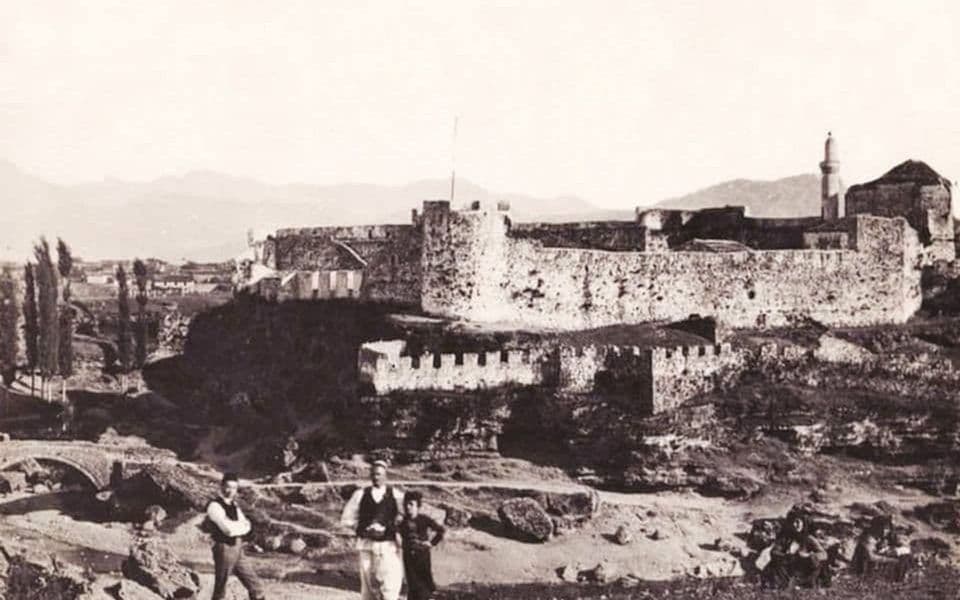
The historical narrative surrounding the origins of the city of Ribnica is under scrutiny following recent statements by historian Vukota Vukotić. He asserts that persistent claims about the city’s association with the Church of Serbia and the so-called “Nemanjin grad” are based on misconceptions. Vukotić’s insights were shared in an interview with the Montenegrin publication Pobjeda.
Challenging Historical Narratives
Vukotić points to a “constant insistence” on a misleading interpretation of historical events. He argues that the city of Podgorica has not only failed to move away from these interpretations but may also be constrained by its ties to the Church of Serbia. The historian highlights that the narrative surrounding the birth of Saint Simeon, a prominent figure in Serbian history, has been misrepresented. This misrepresentation, according to Vukotić, stems from a misinterpretation of Saint Simeon’s life, particularly the claims that he was born in Ribnica.
Through a comparative analysis of historical texts, Vukotić believes he has demonstrated that the association of Saint Simeon with Ribnica is unfounded. He stresses that such claims distort the historical context and contribute to a flawed understanding of regional history.
The Impact of Historical Interpretation on National Identity
The implications of this debate extend beyond mere historical accuracy. Vukotić suggests that the narrative promoted by the Church of Serbia serves a broader agenda, potentially influencing national identity and cultural heritage in the region. By continuing to assert these claims, he argues, the Church reinforces a specific vision of history that may not align with factual evidence.
As the discussion unfolds, it raises critical questions about the role of historical interpretation in shaping contemporary identities. Vukotić’s critique invites a re-examination of how regional histories are constructed and the impacts these narratives have on societal perceptions.
In a rapidly changing world, where historical claims can fuel nationalistic sentiments, Vukotić’s insights highlight the need for rigorous scholarly debate. As historians and the public grapple with these complex issues, the integrity of historical narratives remains a vital concern for future generations.

Moyes Faces Referee Controversy Ahead of Everton vs Chelsea Clash

Man Hospitalised After Assault Outside Shop in Sandwell

Fred MacAulay and Ally McCoist Reunite for Special World Cup Show

NoOnes Targets $1 Trillion Gift Card Market to Enhance Crypto Access

Beloved Actor Matt Clark Passes Away at 89, Fans Mourn Loss

Discover How Milk Thistle Supplements Enhance Liver Health

Irish Community Care Celebrates 60 Years of Support in Liverpool

New Affordable Housing Development Planned for Crawley Site

Millions of Parking Tickets Issued Amid Calls for Reform

Claire Tomlinson Bids Farewell to Sky Sports After 27 Years

Iconic 90s TV Show House Hits Market for £1.1 Million

Tributes Flow for Kerry Gentle, Beloved RNLI Volunteer and Artist

Nathan Cleary’s Family Celebrates Engagement Amid Romance Rumors

Milk Bank Urges Mothers to Donate for Premature Babies’ Health

Shoppers Flock to Discounted Neck Pillow on Amazon for Travel Comfort

Alessia Russo Signs Long-Term Deal with Arsenal Ahead of WSL Season

Nuneaton Town FC Advances Plans for New Stadium in Stockingford

Museums Body Critiques EHRC Proposals on Gender Facilities
-
 Lifestyle7 months ago
Claire Tomlinson Bids Farewell to Sky Sports After 27 Years
-
 Entertainment10 months ago
Iconic 90s TV Show House Hits Market for £1.1 Million
-
 Lifestyle7 months ago
Tributes Flow for Kerry Gentle, Beloved RNLI Volunteer and Artist
-
 Sports11 months ago
Nathan Cleary’s Family Celebrates Engagement Amid Romance Rumors
-
 Lifestyle12 months ago
Milk Bank Urges Mothers to Donate for Premature Babies’ Health
-
 Lifestyle11 months ago
Shoppers Flock to Discounted Neck Pillow on Amazon for Travel Comfort
-
 Sports10 months ago
Alessia Russo Signs Long-Term Deal with Arsenal Ahead of WSL Season
-
 Sports8 months ago
Nuneaton Town FC Advances Plans for New Stadium in Stockingford
-
 Politics12 months ago
Museums Body Critiques EHRC Proposals on Gender Facilities
-

 Lifestyle11 months ago
Exploring England’s Cathedrals: A Journey Through History and Architecture
-

 Business12 months ago
Trump Visits Europe: Business, Politics, or Leisure?
-

 Lifestyle12 months ago
Japanese Teen Sorato Shimizu Breaks U18 100m Record in 10 Seconds