
Entertainment
Explore 5 Affordable Alternatives to Spotify Premium in 2025

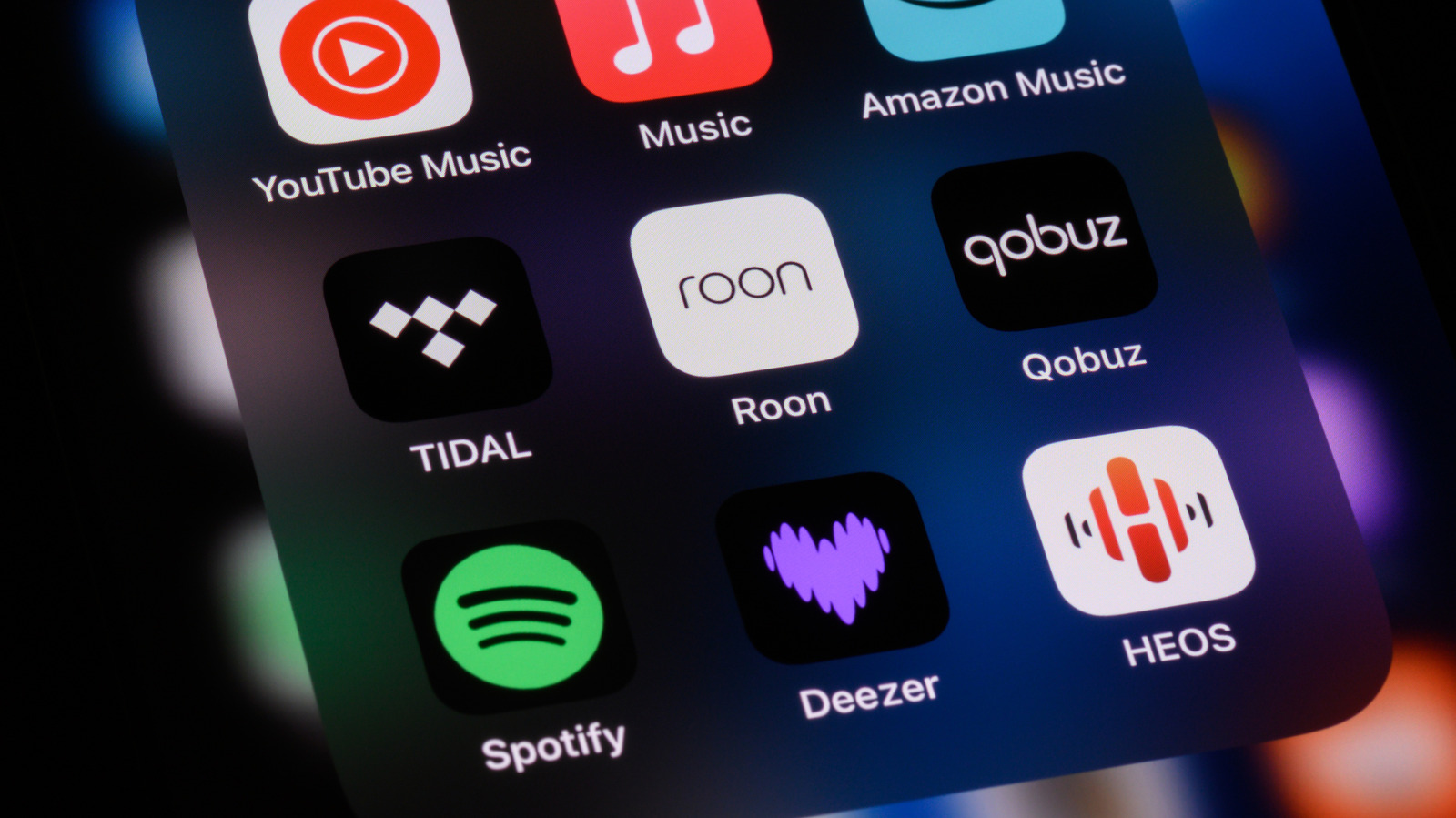
As music streaming continues to evolve, many users are questioning whether the subscription fee for platforms like Spotify Premium is justified. At $11.99 a month, Spotify remains a dominant force in the market, but recent developments have prompted users to explore other options. This article evaluates five affordable alternatives that offer competitive features and prices as of March 2025.
1. Apple Music: A Strong Contender
Often regarded as Spotify’s primary competitor, Apple Music offers individual plans for $10.99 per month. The platform benefits from Apple’s extensive experience in digital music, dating back to the launch of the iTunes Store in 2003. With native applications available on iOS, macOS, Android, and Windows, Apple Music provides a polished user experience, though some users find the Windows app less reliable.
Apple Music stands out with its superior sound quality, providing high-resolution music streams at up to 24-bit/192 kHz using the Apple Lossless Audio Codec (ALAC). It also features spatial audio for compatible songs. Unique offerings include curated playlists and exclusive radio shows hosted by prominent music journalists. Users can also upload their own music, making it a versatile choice for those looking to combine their personal library with streaming.
2. Amazon Music: Benefits for Prime Members
For subscribers of Amazon Prime, the music streaming service offers a compelling alternative. While Prime members can access basic Amazon Music at no additional cost, they will need to upgrade to Amazon Music Unlimited for lossless and spatial audio, priced at $10.99 per month for Prime members and $11.99 for non-members.
This service matches Spotify in terms of audio quality, offering high-resolution streaming up to 24-bit/192 kHz. However, the app design has faced criticism for being somewhat confusing and sluggish. Amazon Music also provides a decent recommendation system, although it is not as refined as Spotify’s.
3. YouTube Music: Unique Content with Trust Issues
Replacing Google Play Music in 2020, YouTube Music is available at $10.99 per month. While it offers a plethora of unique content, such as unreleased tracks and official music videos, it faces skepticism regarding its longevity. Users may remember Google’s history of discontinuing services, which may lead to hesitance in fully committing to YouTube Music.
Nevertheless, it allows users to upload up to 100,000 songs, a feature that attracts those who have extensive personal libraries. The lack of lossless audio may deter some listeners, as it offers a maximum bitrate of 256 kbps, which is lower than many competitors.
4. Tidal: Quality and Artist Support
Founded with an emphasis on artist compensation and sound quality, Tidal is priced at $10.99 per month. Though it offers similar features to its competitors, Tidal distinguishes itself with its commitment to high-resolution audio and artist royalties. The platform’s interface is user-friendly, making navigation easy for users.
Tidal includes unique features like the ability for DJs to stream directly to DJ software. While it provides a robust listening experience, it lacks distinct features that would make it stand out significantly from other services.
5. Bandcamp and Qobuz: Curated Ownership
For users looking to purchase music outright rather than subscribing, Bandcamp serves as an excellent marketplace for independent artists. Many artists offer a “pay what you want” pricing model, allowing users to support musicians directly. Although mainstream hits may be scarce, the platform is a treasure trove for those seeking unique sounds.
On the other hand, Qobuz focuses on lossless audio sales and offers a more traditional music library. While purchasing individual tracks or albums may not be cheaper than a monthly subscription if one averages over ten tracks a month, it encourages listeners to invest in music they truly enjoy.
In conclusion, the landscape of music streaming in 2025 offers diverse alternatives to Spotify Premium. Each of these platforms has unique features and pricing structures that appeal to different listening preferences. Whether prioritizing sound quality, content variety, or user experience, individuals now have a range of options to consider. As the market continues to innovate, consumers are encouraged to explore these alternatives and select the service that best fits their musical tastes and budget.

Moyes Faces Referee Controversy Ahead of Everton vs Chelsea Clash

Man Hospitalised After Assault Outside Shop in Sandwell

Fred MacAulay and Ally McCoist Reunite for Special World Cup Show

NoOnes Targets $1 Trillion Gift Card Market to Enhance Crypto Access

Beloved Actor Matt Clark Passes Away at 89, Fans Mourn Loss

Discover How Milk Thistle Supplements Enhance Liver Health

Irish Community Care Celebrates 60 Years of Support in Liverpool

New Affordable Housing Development Planned for Crawley Site

Millions of Parking Tickets Issued Amid Calls for Reform

Claire Tomlinson Bids Farewell to Sky Sports After 27 Years

Iconic 90s TV Show House Hits Market for £1.1 Million

Nathan Cleary’s Family Celebrates Engagement Amid Romance Rumors

Tributes Flow for Kerry Gentle, Beloved RNLI Volunteer and Artist

Milk Bank Urges Mothers to Donate for Premature Babies’ Health

Shoppers Flock to Discounted Neck Pillow on Amazon for Travel Comfort

Alessia Russo Signs Long-Term Deal with Arsenal Ahead of WSL Season

Nuneaton Town FC Advances Plans for New Stadium in Stockingford

Exploring England’s Cathedrals: A Journey Through History and Architecture
-
 Lifestyle8 months ago
Claire Tomlinson Bids Farewell to Sky Sports After 27 Years
-
 Entertainment11 months ago
Iconic 90s TV Show House Hits Market for £1.1 Million
-
 Sports1 year ago
Nathan Cleary’s Family Celebrates Engagement Amid Romance Rumors
-
 Lifestyle8 months ago
Tributes Flow for Kerry Gentle, Beloved RNLI Volunteer and Artist
-
 Lifestyle1 year ago
Milk Bank Urges Mothers to Donate for Premature Babies’ Health
-
 Lifestyle1 year ago
Shoppers Flock to Discounted Neck Pillow on Amazon for Travel Comfort
-
 Sports12 months ago
Alessia Russo Signs Long-Term Deal with Arsenal Ahead of WSL Season
-
 Sports9 months ago
Nuneaton Town FC Advances Plans for New Stadium in Stockingford
-
 Lifestyle1 year ago
Exploring England’s Cathedrals: A Journey Through History and Architecture
-

 Politics1 year ago
Museums Body Critiques EHRC Proposals on Gender Facilities
-

 Business1 year ago
Trump Visits Europe: Business, Politics, or Leisure?
-

 Lifestyle1 year ago
Japanese Teen Sorato Shimizu Breaks U18 100m Record in 10 Seconds