
Science
Ancient Chinese Skull Discovery Challenges Human Evolution Theory

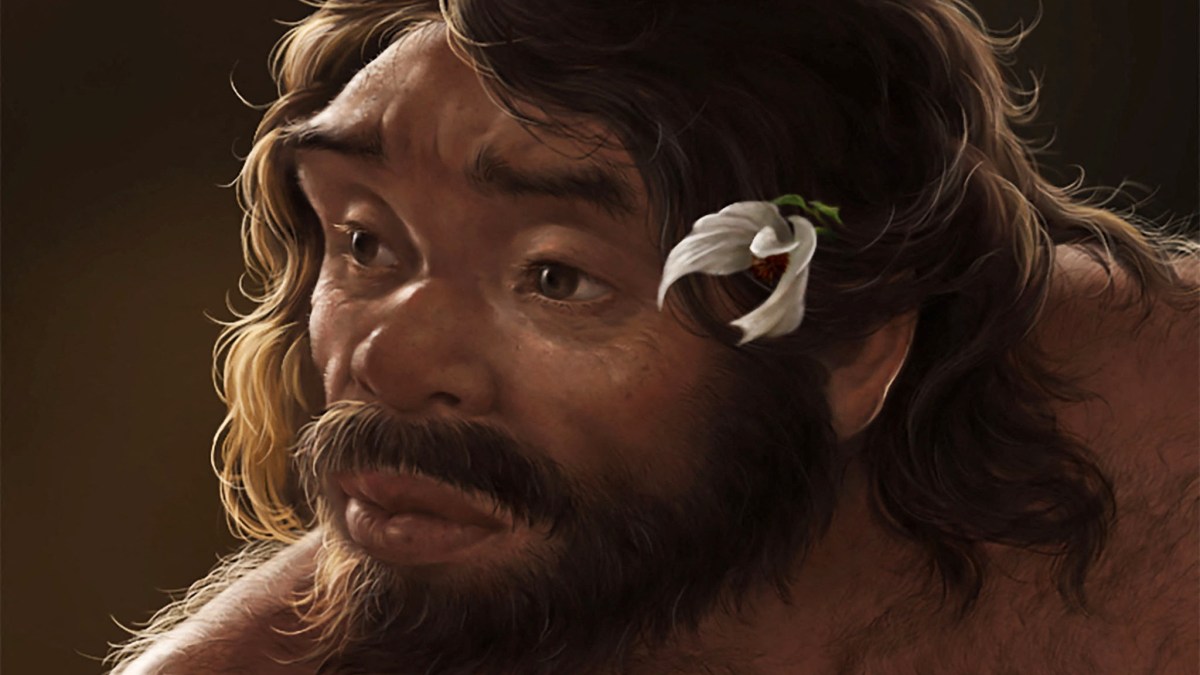
A recently unearthed skull, identified as the Yunxian 2, could significantly alter existing theories regarding human evolution. This skull, estimated to be over 1 million years old, was discovered in China and suggests that Homo sapiens may have emerged 400,000 years earlier than previously thought, potentially in Asia rather than Africa.
The findings challenge the long-held belief that modern humans originated solely in Africa. Researchers involved in the excavation, which took place in the Yunxian County of Hunan Province, believe that this discovery could provide new insights into the migration and development of early human species.
Experts from various institutions have been analyzing the fossil, which exhibits features that are distinct from those of known ancient hominins. This includes a combination of both archaic and modern traits, making it a unique specimen in the study of human ancestry.
Significance of the Discovery
According to a study published in the journal Nature, the implications of the Yunxian 2 skull extend far beyond its geographical context. The data suggests that early human populations might have been more diverse and widespread than previously understood. The conventional view of a linear evolution from Africa may need reevaluation in light of these findings.
Dr. Li Wei, a leading researcher on the project, emphasized the importance of the skull in understanding the complexities of human evolution. “This discovery may indicate that multiple regions contributed to the development of modern humans,” he stated. “It opens a new chapter in the narrative of our origins.”
The skull’s age and its anatomical features are prompting scientists to reconsider timelines and migration patterns of early hominins. Previous fossil records from Africa have dominated the discourse on human origins, thereby minimizing the significance of discoveries in other regions. The Yunxian 2 skull may help balance this narrative.
Future Research Directions
The implications of the Yunxian 2 find extend into various fields of research, including archaeology, anthropology, and genetics. Ongoing studies will focus on the geological context of the skull, as well as comparisons with other ancient fossils found across Asia and Africa.
Further excavation in the region is planned, with hopes of uncovering additional artifacts that could shed light on the lifestyle and environment of early humans. The research team anticipates that new findings could lead to a more comprehensive understanding of how early humans adapted to different habitats.
In summary, the discovery of the Yunxian 2 skull not only adds a substantial piece to the puzzle of human evolution but also encourages a broader examination of our species’ history. As research continues, scientists remain optimistic about what future discoveries may reveal regarding the intricate web of human ancestry.

Moyes Faces Referee Controversy Ahead of Everton vs Chelsea Clash

Man Hospitalised After Assault Outside Shop in Sandwell

Fred MacAulay and Ally McCoist Reunite for Special World Cup Show

NoOnes Targets $1 Trillion Gift Card Market to Enhance Crypto Access

Beloved Actor Matt Clark Passes Away at 89, Fans Mourn Loss

Discover How Milk Thistle Supplements Enhance Liver Health

Irish Community Care Celebrates 60 Years of Support in Liverpool

New Affordable Housing Development Planned for Crawley Site

Millions of Parking Tickets Issued Amid Calls for Reform

Claire Tomlinson Bids Farewell to Sky Sports After 27 Years

Iconic 90s TV Show House Hits Market for £1.1 Million

Nathan Cleary’s Family Celebrates Engagement Amid Romance Rumors

Tributes Flow for Kerry Gentle, Beloved RNLI Volunteer and Artist

Milk Bank Urges Mothers to Donate for Premature Babies’ Health

Shoppers Flock to Discounted Neck Pillow on Amazon for Travel Comfort

Alessia Russo Signs Long-Term Deal with Arsenal Ahead of WSL Season

Nuneaton Town FC Advances Plans for New Stadium in Stockingford

Exploring England’s Cathedrals: A Journey Through History and Architecture
-
 Lifestyle8 months ago
Claire Tomlinson Bids Farewell to Sky Sports After 27 Years
-
 Entertainment11 months ago
Iconic 90s TV Show House Hits Market for £1.1 Million
-
 Sports1 year ago
Nathan Cleary’s Family Celebrates Engagement Amid Romance Rumors
-
 Lifestyle8 months ago
Tributes Flow for Kerry Gentle, Beloved RNLI Volunteer and Artist
-
 Lifestyle1 year ago
Milk Bank Urges Mothers to Donate for Premature Babies’ Health
-
 Lifestyle1 year ago
Shoppers Flock to Discounted Neck Pillow on Amazon for Travel Comfort
-
 Sports12 months ago
Alessia Russo Signs Long-Term Deal with Arsenal Ahead of WSL Season
-
 Sports9 months ago
Nuneaton Town FC Advances Plans for New Stadium in Stockingford
-
 Lifestyle1 year ago
Exploring England’s Cathedrals: A Journey Through History and Architecture
-

 Politics1 year ago
Museums Body Critiques EHRC Proposals on Gender Facilities
-

 Business1 year ago
Trump Visits Europe: Business, Politics, or Leisure?
-

 Lifestyle1 year ago
Japanese Teen Sorato Shimizu Breaks U18 100m Record in 10 Seconds