
Business
EFCC Witness Accuses Banks of Hoarding Redesigned Naira Notes

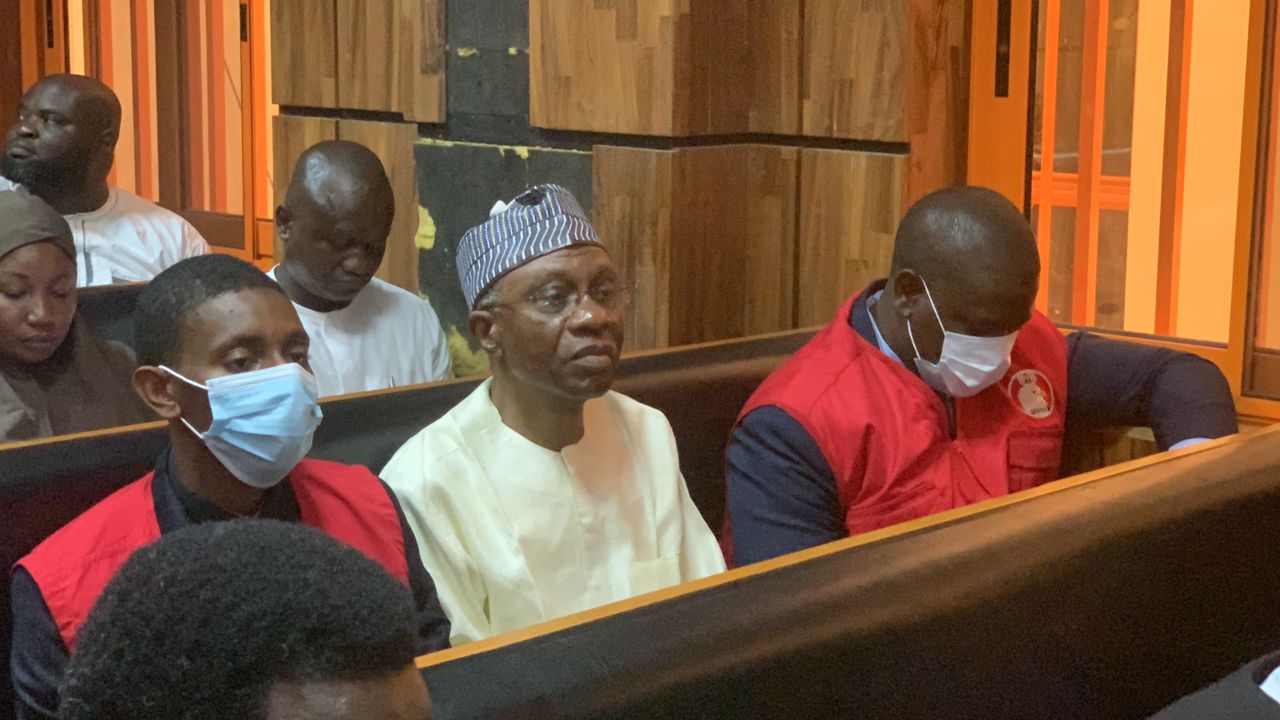
The trial of former Governor of the Central Bank of Nigeria (CBN), Godwin Emefiele, took a significant turn when a witness from the Economic and Financial Crimes Commission (EFCC) testified that commercial banks hoarded redesigned Naira notes, exacerbating a currency scarcity. This statement came during a hearing on March 5, 2024, as Emefiele faces multiple charges related to the Naira redesign policy implemented in late 2022.
During cross-examination, Chinedu Eneanya, an investigator with the EFCC, revealed that banks were allegedly stockpiling the new notes, which contributed to widespread hardship for many Nigerians. The EFCC has accused Emefiele of approving the printing of 375,520,000 pieces of N1,000 notes, costing the government N11,052,068,062, without proper endorsements from the CBN Board or the then President, the late Muhammadu Buhari. The charges state that these actions violated Section 19 of the CBN Act and contravened Section 123 of the Penal Code.
Eneanya’s testimony indicated that the redesign led to significant difficulties for the populace. He stated, “I am aware of that, but I cannot be specific,” when asked about the specific banks involved in the hoarding. This response highlighted the challenge of identifying the full extent of the alleged infractions by various financial institutions.
The prosecution, led by lawyer A.O. Mohammed, objected to questions regarding the arrests of bank officials tied to the hoarding. Emefiele’s legal counsel, Olalekan Ojo, challenged this objection, asserting that the witness had the jurisdiction to discuss arrests as part of his investigative role. The court sought clarification on the EFCC’s actions regarding the alleged infractions, leading to Eneanya’s admission that he lacked knowledge of any arrests made by the EFCC related to the case.
Eneanya also mentioned that the Managing Director of Nigerian Security Printing and Minting Plc, Ahmed Halilu, provided email communications relevant to the case during EFCC investigations. He acknowledged that while Halilu produced several statements, he could not recall their contents. This prompted Ojo to request access to these statements for review.
The witness was unable to provide specific figures regarding the amount of redesigned currency allocated to commercial banks, stating he would need to check the records to refresh his memory. He confirmed that a team from the EFCC, in collaboration with other law enforcement agencies, conducted a nationwide stock-taking exercise to ensure the availability of the new currencies.
As the proceedings unfolded, Emefiele’s legal team expressed frustration, indicating they received the Investigative Report only minutes before the hearing. The EFCC’s legal representative clarified that the timing was not intended to hinder the defense’s ability to prepare.
The trial has been adjourned to March 19, 2024, for the continuation of cross-examination. As the case progresses, the implications of the currency redesign policy and its execution continue to be closely scrutinized, particularly regarding its impact on the Nigerian populace.

Moyes Faces Referee Controversy Ahead of Everton vs Chelsea Clash

Man Hospitalised After Assault Outside Shop in Sandwell

Fred MacAulay and Ally McCoist Reunite for Special World Cup Show

NoOnes Targets $1 Trillion Gift Card Market to Enhance Crypto Access

Beloved Actor Matt Clark Passes Away at 89, Fans Mourn Loss

Discover How Milk Thistle Supplements Enhance Liver Health

Irish Community Care Celebrates 60 Years of Support in Liverpool

New Affordable Housing Development Planned for Crawley Site

Millions of Parking Tickets Issued Amid Calls for Reform

Claire Tomlinson Bids Farewell to Sky Sports After 27 Years

Iconic 90s TV Show House Hits Market for £1.1 Million

Tributes Flow for Kerry Gentle, Beloved RNLI Volunteer and Artist

Nathan Cleary’s Family Celebrates Engagement Amid Romance Rumors

Milk Bank Urges Mothers to Donate for Premature Babies’ Health

Shoppers Flock to Discounted Neck Pillow on Amazon for Travel Comfort

Alessia Russo Signs Long-Term Deal with Arsenal Ahead of WSL Season

Nuneaton Town FC Advances Plans for New Stadium in Stockingford

Museums Body Critiques EHRC Proposals on Gender Facilities
-
 Lifestyle6 months ago
Claire Tomlinson Bids Farewell to Sky Sports After 27 Years
-
 Entertainment9 months ago
Iconic 90s TV Show House Hits Market for £1.1 Million
-
 Lifestyle6 months ago
Tributes Flow for Kerry Gentle, Beloved RNLI Volunteer and Artist
-
 Sports11 months ago
Nathan Cleary’s Family Celebrates Engagement Amid Romance Rumors
-
 Lifestyle11 months ago
Milk Bank Urges Mothers to Donate for Premature Babies’ Health
-
 Lifestyle11 months ago
Shoppers Flock to Discounted Neck Pillow on Amazon for Travel Comfort
-
 Sports10 months ago
Alessia Russo Signs Long-Term Deal with Arsenal Ahead of WSL Season
-
 Sports8 months ago
Nuneaton Town FC Advances Plans for New Stadium in Stockingford
-
 Politics11 months ago
Museums Body Critiques EHRC Proposals on Gender Facilities
-

 Lifestyle11 months ago
Exploring England’s Cathedrals: A Journey Through History and Architecture
-

 Business11 months ago
Trump Visits Europe: Business, Politics, or Leisure?
-

 Lifestyle11 months ago
Japanese Teen Sorato Shimizu Breaks U18 100m Record in 10 Seconds