
Business
Essential Guide for RV Owners on Winter Storage in Rochester

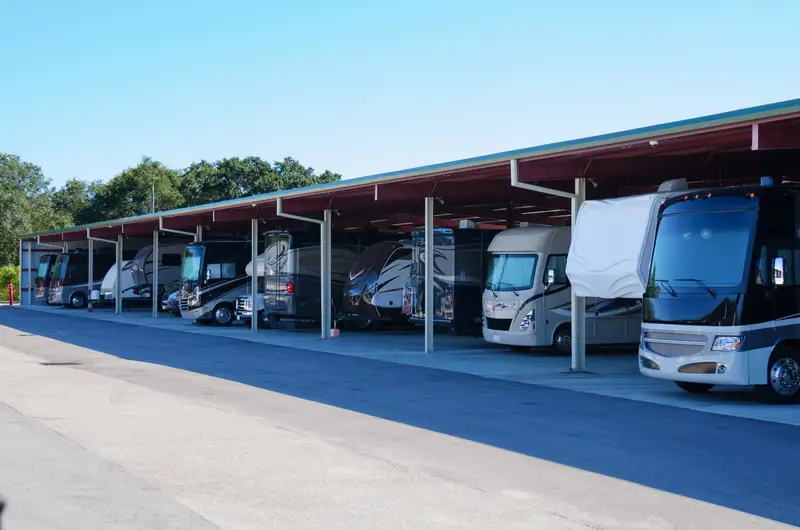
Winter in Rochester, Minnesota presents significant challenges for recreational vehicle (RV) owners. The season, which can stretch from early November to late April, brings harsh conditions, including heavy snowfall, ice formation, and prolonged periods of inactivity for RVs. As a result, effective storage solutions are crucial for preserving vehicles during these months. A comprehensive understanding of covered RV storage options can ensure that owners protect their investments and reduce potential repair costs when the travel season resumes.
Understanding Covered RV Storage
Before deciding on a storage solution, it is essential for RV owners to understand what covered RV storage entails. Typically, this involves a roofed structure that shields vehicles from direct exposure to precipitation, including snow and rain, while allowing airflow from the sides. This design is not intended to create a sealed environment but instead minimizes damage from the elements without trapping moisture. For RV owners in Rochester, the benefits of such storage include:
– Overhead protection from snow and ice accumulation
– Reduced UV exposure during transitional seasons
– Open airflow that discourages condensation buildup
– Adequate clearance for taller RV profiles
Being aware of these features helps owners assess whether covered storage aligns with their winter preservation goals.
Adapting to Rochester’s Unique Winter Conditions
Rochester’s winters are characterized by more than just low temperatures. Frequent and heavy snowfalls can lead to significant accumulations, while freeze-thaw cycles cause moisture to infiltrate vehicle seams and joints. These conditions can put immense stress on various components, including:
– Roof membranes and sealants
– Exterior seams around vents and skylights
– Undercarriage parts exposed to moisture
As such, storage strategies effective in milder climates may not be sufficient in Rochester. Covered storage significantly reduces the intensity and duration of exposure to these damaging factors, thereby enhancing the longevity and performance of RVs.
The roof of an RV, for instance, is particularly vulnerable during winter months. Without adequate protection, snow can accumulate, adding weight that may compromise the structural integrity of seams and fixtures. Covered storage mitigates this risk by preventing continuous snow buildup and ice formation, reducing the likelihood of slow leaks that could lead to interior damage.
Moreover, freeze-thaw cycles are especially detrimental as they cause materials to expand and contract. By limiting moisture exposure and direct contact with snow and rain, covered storage decreases the chances of water entering vulnerable points, preserving the integrity of seals and joints over multiple winters.
Managing UV Exposure and Moisture
While winter may dominate the storage conversation, it is important to consider the effects of sunlight before snowfall and after thawing. Ultraviolet radiation can degrade paint, decals, and rubber seals over time. Covered storage assists in minimizing these effects by providing shade during late fall and early spring, thereby slowing down fading and surface oxidation.
One concern for RV owners is moisture buildup within storage spaces. Fully enclosed environments can trap moisture, leading to condensation. Covered storage effectively addresses this issue by maintaining airflow, allowing moisture to dissipate while simultaneously limiting direct water exposure. According to the U.S. National Park Service, maintaining airflow while reducing moisture exposure is essential for preserving large vehicles during extended storage periods.
Ground conditions beneath the RV also play a critical role in moisture management. Poor drainage can lead to standing water and prolonged contact with tires and undercarriage components. Therefore, when selecting a covered storage facility, owners should evaluate:
– Surface grading and runoff patterns
– How meltwater is directed away from storage areas
– Management of ice accumulation during winter
A well-drained area enhances the effectiveness of covered storage, further reducing the risk of moisture-related damage.
Ensuring Accessibility and Security
Access to RVs during winter can be limited, yet some owners may require retrieval for maintenance or inspections. Facilities designed for winter storage typically offer features such as:
– Adequate height clearance for roof-mounted equipment
– Space for maneuvering even with snowbanks present
– Plowed access lanes during winter months
These practical details minimize the chances of accidental damage in icy conditions.
Security is another critical aspect of winter storage. Covered storage facilities often provide organized layouts that enhance safety. Owners should consider:
– Spacing between vehicles
– Visibility and lighting during darker winter months
– Evidence of regular maintenance at the facility
While coverage alone does not guarantee security, well-maintained and organized facilities tend to reduce risks associated with negligence and accidental contact.
Preparing an RV for Winter Storage
Even with the advantages of covered storage, proper preparation is vital. Owners should ensure their RVs are winter-ready by:
– Cleaning the roof and exterior surfaces
– Inspecting and resealing vulnerable joints
– Properly inflating tires and considering load distribution
– Removing perishable items and draining systems as necessary
These actions, combined with covered storage, create a more stable environment for RVs throughout the winter months.
Evaluating Costs and Long-Term Value
While covered storage typically incurs higher costs than open outdoor parking, the potential for winter-related damage often results in much greater expenses over time. Repairs related to roof leaks, seal replacements, and moisture-related interior damages can accumulate quickly. By investing in covered storage, owners can reduce the need for frequent exterior repairs and long-term structural degradation, ultimately providing better value for those planning to keep their RVs for years.
In conclusion, the decision regarding winter storage in Rochester is not to be taken lightly. The region’s harsh winters require careful consideration of storage options to mitigate the effects of snow, ice, and moisture. A well-informed choice regarding covered RV storage can lead to improved vehicle preservation and a smoother transition into the travel season. For RV owners looking for reliability and reduced maintenance stress, covered storage offers a practical solution tailored to the realities of Minnesota winters.

Moyes Faces Referee Controversy Ahead of Everton vs Chelsea Clash

Man Hospitalised After Assault Outside Shop in Sandwell

Fred MacAulay and Ally McCoist Reunite for Special World Cup Show

NoOnes Targets $1 Trillion Gift Card Market to Enhance Crypto Access

Beloved Actor Matt Clark Passes Away at 89, Fans Mourn Loss

Discover How Milk Thistle Supplements Enhance Liver Health

Irish Community Care Celebrates 60 Years of Support in Liverpool

New Affordable Housing Development Planned for Crawley Site

Millions of Parking Tickets Issued Amid Calls for Reform

Claire Tomlinson Bids Farewell to Sky Sports After 27 Years

Iconic 90s TV Show House Hits Market for £1.1 Million

Tributes Flow for Kerry Gentle, Beloved RNLI Volunteer and Artist

Nathan Cleary’s Family Celebrates Engagement Amid Romance Rumors

Milk Bank Urges Mothers to Donate for Premature Babies’ Health

Shoppers Flock to Discounted Neck Pillow on Amazon for Travel Comfort

Alessia Russo Signs Long-Term Deal with Arsenal Ahead of WSL Season

Nuneaton Town FC Advances Plans for New Stadium in Stockingford

Museums Body Critiques EHRC Proposals on Gender Facilities
-
 Lifestyle6 months ago
Claire Tomlinson Bids Farewell to Sky Sports After 27 Years
-
 Entertainment9 months ago
Iconic 90s TV Show House Hits Market for £1.1 Million
-
 Lifestyle6 months ago
Tributes Flow for Kerry Gentle, Beloved RNLI Volunteer and Artist
-
 Sports11 months ago
Nathan Cleary’s Family Celebrates Engagement Amid Romance Rumors
-
 Lifestyle11 months ago
Milk Bank Urges Mothers to Donate for Premature Babies’ Health
-
 Lifestyle11 months ago
Shoppers Flock to Discounted Neck Pillow on Amazon for Travel Comfort
-
 Sports10 months ago
Alessia Russo Signs Long-Term Deal with Arsenal Ahead of WSL Season
-
 Sports8 months ago
Nuneaton Town FC Advances Plans for New Stadium in Stockingford
-
 Politics11 months ago
Museums Body Critiques EHRC Proposals on Gender Facilities
-

 Lifestyle11 months ago
Exploring England’s Cathedrals: A Journey Through History and Architecture
-

 Business11 months ago
Trump Visits Europe: Business, Politics, or Leisure?
-

 Lifestyle11 months ago
Japanese Teen Sorato Shimizu Breaks U18 100m Record in 10 Seconds