
Business
Labour’s New Unemployment Bill Raises Concerns Among Employers

The Labour Party’s recently introduced Unemployment Bill has sparked significant concern among employers, particularly as the UK grapples with a flatlining economy and rising unemployment. According to the Office for National Statistics (ONS), the country lost 142,000 payrolled jobs over the past year, including 8,000 in the last month alone. In this context, business leaders are calling for support, but feel instead that they are facing new burdens.
In a move that many employers view as detrimental, Labour MPs blocked amendments proposed by business groups aimed at mitigating the impacts of the Unemployment Bill. These amendments included measures to maintain probation periods for new staff and consult small businesses on the Bill’s implications. Additionally, an amendment requiring a 50 percent turnout for strike action ballots was also dismissed.
The Labour government’s decision not to engage with these suggestions has raised eyebrows among industry leaders. Critics argue that the Bill, which has been characterized as being “written by unions, for unions,” could impose costs of up to £5 billion per year on businesses. The government’s own impact assessment indicates that changes to National Insurance Contributions (NICs) could cost employers almost £1,000 per worker annually.
Andrew Griffith MP, the Shadow Business Secretary, emphasized the detrimental effects of these policies. “Employers have always been an afterthought in this so-called Employment Bill,” he stated, highlighting the disconnect between Labour’s legislative approach and the needs of the business community.
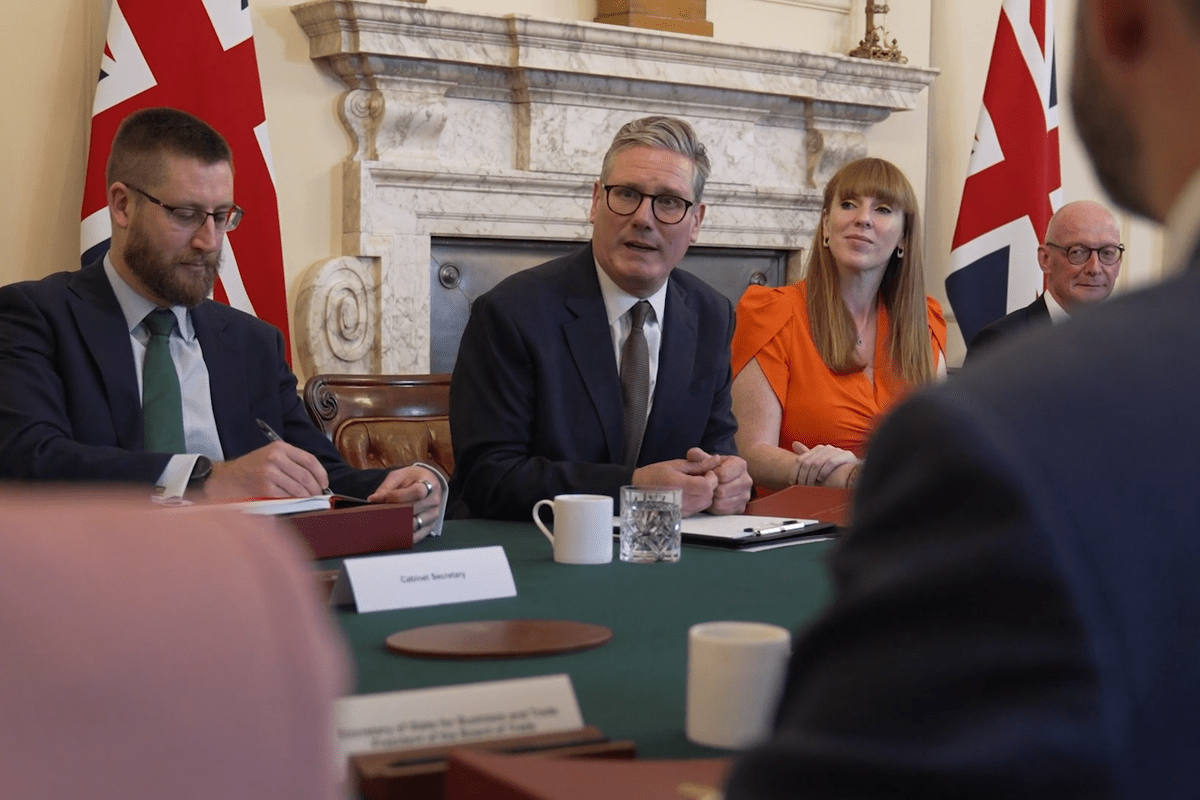
Labour’s leadership, including Keir Starmer and Rachel Reeves, has not only resisted calls for a change in direction but has reportedly doubled down on policies that critics claim are harmful to job creation. According to the Bank of England, half of businesses have already cut jobs due to the rise in NICs.
The situation is particularly concerning in the hospitality sector, which has suffered significantly from rising taxes. Recent reports show that 90,000 workers were lost from the accommodation and food services industries, exacerbating the challenge of moving millions from welfare into employment.
As businesses face escalating costs and reduced flexibility, the risk of further economic decline looms large. Recruitment firm Manpower revealed that hiring plans in the UK have fallen by 17 percentage points in the past year, with the next closest country, Singapore, experiencing a decline of only nine points.
With these alarming trends, it is becoming increasingly clear that Labour’s current strategy may not align with the needs of the economy. The next budget is likely to bring additional challenges for wealth creators unless the government takes action to listen to industry concerns.
For now, employers are urging the government to reconsider the Unemployment Bill and its potential impact on job creation and economic stability.

Moyes Faces Referee Controversy Ahead of Everton vs Chelsea Clash

Man Hospitalised After Assault Outside Shop in Sandwell

Fred MacAulay and Ally McCoist Reunite for Special World Cup Show

NoOnes Targets $1 Trillion Gift Card Market to Enhance Crypto Access

Beloved Actor Matt Clark Passes Away at 89, Fans Mourn Loss

Discover How Milk Thistle Supplements Enhance Liver Health

Irish Community Care Celebrates 60 Years of Support in Liverpool

New Affordable Housing Development Planned for Crawley Site

Millions of Parking Tickets Issued Amid Calls for Reform

Claire Tomlinson Bids Farewell to Sky Sports After 27 Years

Iconic 90s TV Show House Hits Market for £1.1 Million

Tributes Flow for Kerry Gentle, Beloved RNLI Volunteer and Artist

Nathan Cleary’s Family Celebrates Engagement Amid Romance Rumors

Milk Bank Urges Mothers to Donate for Premature Babies’ Health

Shoppers Flock to Discounted Neck Pillow on Amazon for Travel Comfort

Alessia Russo Signs Long-Term Deal with Arsenal Ahead of WSL Season

Nuneaton Town FC Advances Plans for New Stadium in Stockingford

Museums Body Critiques EHRC Proposals on Gender Facilities
-
 Lifestyle6 months ago
Claire Tomlinson Bids Farewell to Sky Sports After 27 Years
-
 Entertainment9 months ago
Iconic 90s TV Show House Hits Market for £1.1 Million
-
 Lifestyle6 months ago
Tributes Flow for Kerry Gentle, Beloved RNLI Volunteer and Artist
-
 Sports11 months ago
Nathan Cleary’s Family Celebrates Engagement Amid Romance Rumors
-
 Lifestyle11 months ago
Milk Bank Urges Mothers to Donate for Premature Babies’ Health
-
 Lifestyle11 months ago
Shoppers Flock to Discounted Neck Pillow on Amazon for Travel Comfort
-
 Sports10 months ago
Alessia Russo Signs Long-Term Deal with Arsenal Ahead of WSL Season
-
 Sports8 months ago
Nuneaton Town FC Advances Plans for New Stadium in Stockingford
-
 Politics11 months ago
Museums Body Critiques EHRC Proposals on Gender Facilities
-

 Lifestyle11 months ago
Exploring England’s Cathedrals: A Journey Through History and Architecture
-

 Business11 months ago
Trump Visits Europe: Business, Politics, or Leisure?
-

 Lifestyle11 months ago
Japanese Teen Sorato Shimizu Breaks U18 100m Record in 10 Seconds