
Business
New Report Challenges UK Chancellor’s Fiscal Rules as Ineffective

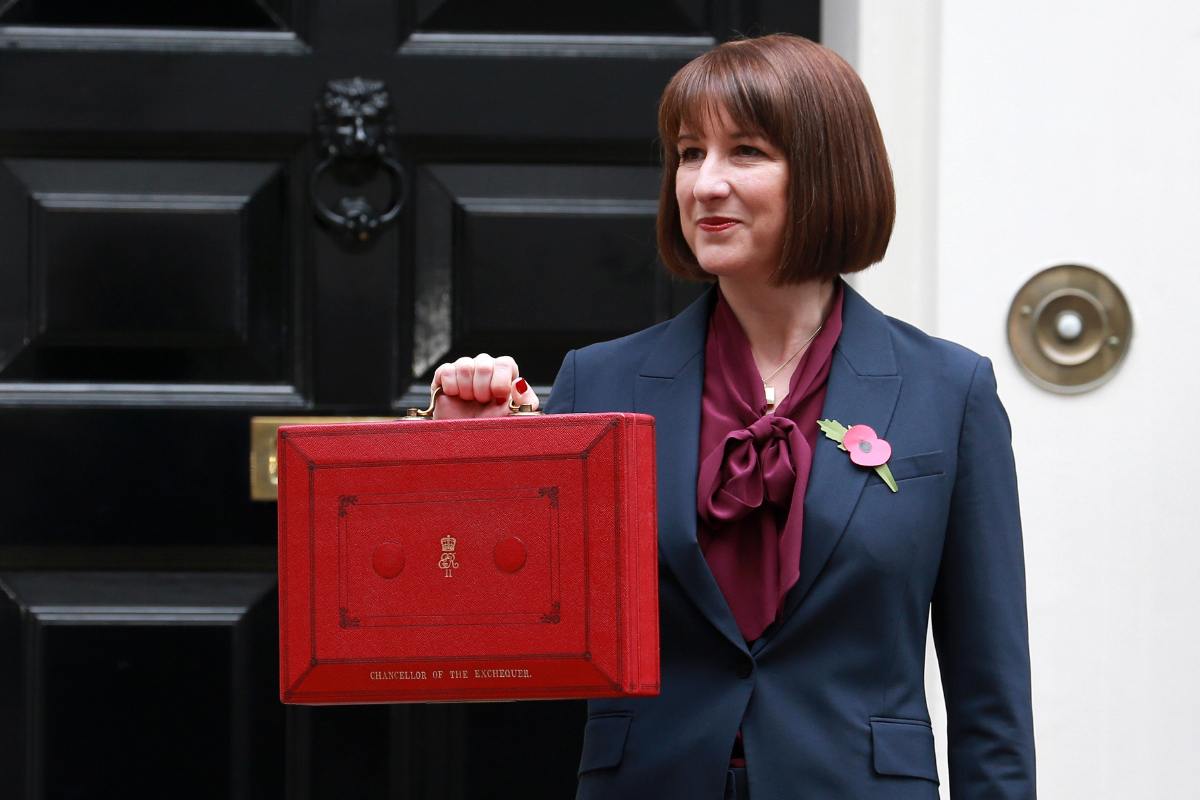
A recent report has raised significant concerns about the effectiveness of fiscal rules, suggesting they do not ensure discipline in public spending and questioning their overall impact on economic stability. The analysis, conducted by Yash Adwani, an emerging markets analyst at Oxford Economics, contradicts assertions made by UK Chancellor Rachel Reeves and the International Monetary Fund (IMF) regarding the ability of fiscal targets to stabilize public finances.
Adwani’s findings indicate that fiscal rules often serve as “self-awarded badges of honour” for governments rather than providing substantial accountability. He noted that bond markets tend to impose greater fiscal discipline than these rules, which have shown little correlation with positive fiscal outcomes. His research, which analyzed data from 99 countries since the year 2000, concluded that while fiscal reputation might have a minor impact on efforts to improve primary balances, this is negated by governments’ tendencies to exploit any credibility gained to pursue more expansive fiscal policies.
Concerns Over the Effectiveness of Fiscal Targets
The report challenges the notion that a strict set of fiscal rules can improve public finances. Adwani pointed out that countries with a solid track record of meeting fiscal forecasts often experienced significant declines in their primary balances, suggesting that merely having more regulations does not ensure better financial management. He stated, “Fiscal rules and reputation make no discernible difference to actions or incentives.”
Reeves has promoted her fiscal rules as a testament to her commitment to managing the public purse, relying heavily on forecasts from the Office for Budget Responsibility (OBR). Yet, the report’s findings raise doubts about the sustainability of such an approach. Adwani noted that governments may initially take stringent measures to control spending but often relax these efforts once fiscal rules are established.
Criticism from Economic Leaders
The criticism of Reeves’ fiscal strategy comes in the context of deteriorating public finances in the UK, which have resulted in soaring government borrowing costs. The OBR estimates that debt interest payments will reach £113.7 billion this year and could escalate to £136.6 billion by 2030, exceeding the country’s entire defense budget.
Former Bank of England Governor Mervyn King expressed his concerns regarding Reeves’ fiscal targets during a recent address to the House of Lords. He criticized the reliance on rolling targets tied to OBR forecasts, arguing that the approach fails to manage public spending effectively. King remarked, “The Chancellor of the Exchequer deserves sympathy for the difficult fiscal position which she inherited. But unfortunately her new fiscal rules are flawed.”
Additionally, some members of the Labour Party, including former transport secretary Louise Haigh, have labeled these fiscal rules as an “economic straitjacket.” They argue that a reevaluation of these rules is essential to prevent what they describe as “managed decline dressed up as moderation.”
As the debate surrounding fiscal rules continues, the implications for the UK’s economic management remain uncertain. The findings from Oxford Economics serve as a critical reminder of the complexities involved in public finance and the need for more effective measures to ensure fiscal responsibility.

Moyes Faces Referee Controversy Ahead of Everton vs Chelsea Clash

Man Hospitalised After Assault Outside Shop in Sandwell

Fred MacAulay and Ally McCoist Reunite for Special World Cup Show

NoOnes Targets $1 Trillion Gift Card Market to Enhance Crypto Access

Beloved Actor Matt Clark Passes Away at 89, Fans Mourn Loss

Discover How Milk Thistle Supplements Enhance Liver Health

Irish Community Care Celebrates 60 Years of Support in Liverpool

New Affordable Housing Development Planned for Crawley Site

Millions of Parking Tickets Issued Amid Calls for Reform

Claire Tomlinson Bids Farewell to Sky Sports After 27 Years

Iconic 90s TV Show House Hits Market for £1.1 Million

Tributes Flow for Kerry Gentle, Beloved RNLI Volunteer and Artist

Nathan Cleary’s Family Celebrates Engagement Amid Romance Rumors

Milk Bank Urges Mothers to Donate for Premature Babies’ Health

Shoppers Flock to Discounted Neck Pillow on Amazon for Travel Comfort

Alessia Russo Signs Long-Term Deal with Arsenal Ahead of WSL Season

Nuneaton Town FC Advances Plans for New Stadium in Stockingford

Museums Body Critiques EHRC Proposals on Gender Facilities
-
 Lifestyle6 months ago
Claire Tomlinson Bids Farewell to Sky Sports After 27 Years
-
 Entertainment9 months ago
Iconic 90s TV Show House Hits Market for £1.1 Million
-
 Lifestyle6 months ago
Tributes Flow for Kerry Gentle, Beloved RNLI Volunteer and Artist
-
 Sports11 months ago
Nathan Cleary’s Family Celebrates Engagement Amid Romance Rumors
-
 Lifestyle11 months ago
Milk Bank Urges Mothers to Donate for Premature Babies’ Health
-
 Lifestyle11 months ago
Shoppers Flock to Discounted Neck Pillow on Amazon for Travel Comfort
-
 Sports10 months ago
Alessia Russo Signs Long-Term Deal with Arsenal Ahead of WSL Season
-
 Sports8 months ago
Nuneaton Town FC Advances Plans for New Stadium in Stockingford
-
 Politics11 months ago
Museums Body Critiques EHRC Proposals on Gender Facilities
-

 Lifestyle11 months ago
Exploring England’s Cathedrals: A Journey Through History and Architecture
-

 Business11 months ago
Trump Visits Europe: Business, Politics, or Leisure?
-

 Lifestyle11 months ago
Japanese Teen Sorato Shimizu Breaks U18 100m Record in 10 Seconds