
Business
Saudi Arabia Boosts Spot Oil Sales as Hormuz Traffic Plummets

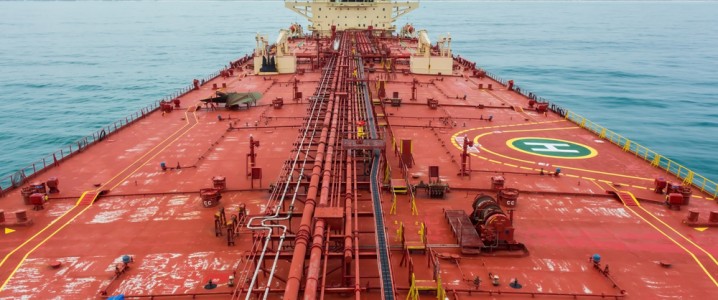
Saudi Arabia has made a significant move in the oil market by offering crude on the spot market, a decision influenced by the severe disruption of tanker traffic in the Strait of Hormuz. According to a report from Bloomberg, the kingdom has made available approximately 4.6 million barrels of various crude grades, including Arab Extra Light, Arab Heavy, and its flagship Arab Light.
The disruption in the Strait of Hormuz has left several hundred tankers stranded in the Persian Gulf. Marine traffic tracking firm Windward reported that only three vessels traversed the strait on Saturday, with just one being an oil tanker. This is a stark decline from the seven-day average of 13.43 vessels, and a dramatic drop from about 100 vessels prior to the onset of military conflict in the region.
In response to the ongoing situation, Saudi Arabia has redirected its oil exports from the Persian Gulf to the Red Sea through a pipeline. This shift comes as the country grapples with the inability to fulfill its typical long-term shipping contracts. The kingdom had ramped up oil production in anticipation of potential U.S. and Israeli military actions against Iran, under the assumption that such actions would not impact maritime traffic.
With the current disruption, Saudi Arabia’s export shipments from the port of Yanbu on the country’s west coast have surged to 2.3 million barrels per day since early March, which is 50% higher than the average daily levels for any month since late 2016.
The situation has also seen recent developments regarding security threats to oil infrastructure. Earlier reports from Saudi Arabia’s defense ministry indicated that several drones targeting the Shaybah oil field had been intercepted, highlighting the ongoing risks posed by Iranian operations in the region.
These developments have contributed to a surge in global oil prices, with both Brent crude and West Texas Intermediate (WTI) surpassing $100 per barrel. As the oil market reacts to this supply squeeze, the G7 nations are reportedly considering a coordinated release of oil from their OECD stockpiles to stabilize prices.
Saudi Arabia’s strategic moves in the crude oil market amid these challenges reflect the broader geopolitical tensions affecting global energy supply chains. The ramifications of these developments will be closely monitored by industry experts and governments alike as the situation continues to evolve.

Moyes Faces Referee Controversy Ahead of Everton vs Chelsea Clash

Man Hospitalised After Assault Outside Shop in Sandwell

Fred MacAulay and Ally McCoist Reunite for Special World Cup Show

NoOnes Targets $1 Trillion Gift Card Market to Enhance Crypto Access

Beloved Actor Matt Clark Passes Away at 89, Fans Mourn Loss

Discover How Milk Thistle Supplements Enhance Liver Health

Irish Community Care Celebrates 60 Years of Support in Liverpool

New Affordable Housing Development Planned for Crawley Site

Millions of Parking Tickets Issued Amid Calls for Reform

Claire Tomlinson Bids Farewell to Sky Sports After 27 Years

Iconic 90s TV Show House Hits Market for £1.1 Million

Tributes Flow for Kerry Gentle, Beloved RNLI Volunteer and Artist

Nathan Cleary’s Family Celebrates Engagement Amid Romance Rumors

Milk Bank Urges Mothers to Donate for Premature Babies’ Health

Shoppers Flock to Discounted Neck Pillow on Amazon for Travel Comfort

Alessia Russo Signs Long-Term Deal with Arsenal Ahead of WSL Season

Nuneaton Town FC Advances Plans for New Stadium in Stockingford

Exploring England’s Cathedrals: A Journey Through History and Architecture
-
 Lifestyle8 months ago
Claire Tomlinson Bids Farewell to Sky Sports After 27 Years
-
 Entertainment11 months ago
Iconic 90s TV Show House Hits Market for £1.1 Million
-
 Lifestyle8 months ago
Tributes Flow for Kerry Gentle, Beloved RNLI Volunteer and Artist
-
 Sports1 year ago
Nathan Cleary’s Family Celebrates Engagement Amid Romance Rumors
-
 Lifestyle1 year ago
Milk Bank Urges Mothers to Donate for Premature Babies’ Health
-
 Lifestyle1 year ago
Shoppers Flock to Discounted Neck Pillow on Amazon for Travel Comfort
-
 Sports12 months ago
Alessia Russo Signs Long-Term Deal with Arsenal Ahead of WSL Season
-
 Sports9 months ago
Nuneaton Town FC Advances Plans for New Stadium in Stockingford
-
 Lifestyle1 year ago
Exploring England’s Cathedrals: A Journey Through History and Architecture
-

 Politics1 year ago
Museums Body Critiques EHRC Proposals on Gender Facilities
-

 Business1 year ago
Trump Visits Europe: Business, Politics, or Leisure?
-

 Lifestyle1 year ago
Japanese Teen Sorato Shimizu Breaks U18 100m Record in 10 Seconds