
Business
Stormont Faces £500 Million Budget Shortfall Before New Year

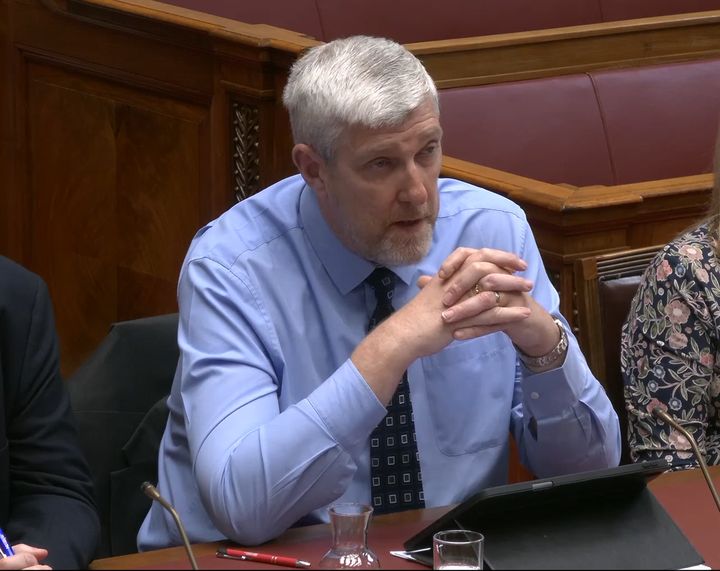
Stormont’s Finance Minister John O’Dowd presented a troubling outlook for Northern Ireland’s financial future, revealing that the proposed draft multi-year budget does not account for anticipated overspends by various departments. This announcement, made during the first Assembly session of the year, has raised concerns among lawmakers about a potential £500 million budget shortfall as the new fiscal year approaches.
Concerns Over Education and Health Budgets
During the session, Education Minister Paul Givan articulated the severe implications of O’Dowd’s budget proposals for his department. He highlighted that widespread redundancies could occur within the education workforce if the budget is approved in its current form. The draft budget fails to address the financial pressures expected in key sectors such as education and health, where overspending is already a concern.
“One of my biggest concerns is the current overspends that are planned, particularly in the departments of education and health in relation to pay,” said Matthew O’Toole, leader of the opposition. He emphasized that entering the new financial year with a shortfall of £500 million would place significant strain on public services.
O’Dowd confirmed that the budget reflects what is feasible given current funding levels and called for a collaborative effort among parties to create a sustainable financial plan. He stated, “The proposals I have brought forward for consultation have been developed against the backdrop of an exceptionally constrained financial position.” He acknowledged that the funding available does not meet the needs of all departments.
Potential Redundancies and Service Cuts
Givan warned that his department could face savings of £1.15 billion by the 2028/29 fiscal year, a situation he described as “simply not an option.” He noted that 82% of the education budget is allocated to staff costs, meaning that compulsory redundancies could become necessary. This could lead to significant reductions in programmes such as uniform grants, free school meals, and childcare subsidies.
Amid these financial challenges, Givan is also addressing issues related to school transport. He highlighted that the Education Authority (EA) is currently reviewing the costs associated with transporting children to school. Reports indicate that taxi firms are charging up to £83 per mile for these services. In response to rising costs, the EA has requested operators to reduce their rates by 10%.
“I fully recognise that some children have significant needs, and I do not underestimate how challenging it is to meet those needs while also ensuring that costs remain reasonable and sustainable,” Givan stated, emphasizing the importance of managing resources efficiently.
In light of these developments, Sinn Féin MLA Danny Baker pressed Givan for assurances that no child would miss school during the ongoing review of transport provisions. Givan assured him that there would not be a gap in service provision, stating that contracts with taxi operators had yet to be returned for re-tendering.
Earlier in the session, MLAs voted on a motion for Observer Status in the European Parliament, allowing representatives from Northern Ireland to attend but not participate in debates. The motion failed to gain cross-community support, which O’Toole described as a “farce” that undermined the Assembly’s credibility. He indicated he would seek clarification regarding the legality of the vote.
As the Assembly resumes its work following the Christmas break, SDLP leader Claire Hanna has expressed commitment to continue using the social media platform X, despite concerns over its ethical implications. This follows SDLP MLA Cara Hunter’s decision to leave the platform amid controversies surrounding an artificial intelligence tool.
The agenda for the day also includes a Sinn Féin-led motion urging the British Government and the European Union to agree on establishing an EU office in Belfast, aimed at helping businesses to fully leverage dual market access.
The challenges ahead for the Stormont Assembly highlight the urgent need for a cohesive strategy to address the financial pressures facing Northern Ireland’s public services.

Moyes Faces Referee Controversy Ahead of Everton vs Chelsea Clash

Man Hospitalised After Assault Outside Shop in Sandwell

Fred MacAulay and Ally McCoist Reunite for Special World Cup Show

NoOnes Targets $1 Trillion Gift Card Market to Enhance Crypto Access

Beloved Actor Matt Clark Passes Away at 89, Fans Mourn Loss

Discover How Milk Thistle Supplements Enhance Liver Health

Irish Community Care Celebrates 60 Years of Support in Liverpool

New Affordable Housing Development Planned for Crawley Site

Millions of Parking Tickets Issued Amid Calls for Reform

Claire Tomlinson Bids Farewell to Sky Sports After 27 Years

Iconic 90s TV Show House Hits Market for £1.1 Million

Tributes Flow for Kerry Gentle, Beloved RNLI Volunteer and Artist

Nathan Cleary’s Family Celebrates Engagement Amid Romance Rumors

Milk Bank Urges Mothers to Donate for Premature Babies’ Health

Shoppers Flock to Discounted Neck Pillow on Amazon for Travel Comfort

Alessia Russo Signs Long-Term Deal with Arsenal Ahead of WSL Season

Nuneaton Town FC Advances Plans for New Stadium in Stockingford

Museums Body Critiques EHRC Proposals on Gender Facilities
-
 Lifestyle6 months ago
Claire Tomlinson Bids Farewell to Sky Sports After 27 Years
-
 Entertainment9 months ago
Iconic 90s TV Show House Hits Market for £1.1 Million
-
 Lifestyle6 months ago
Tributes Flow for Kerry Gentle, Beloved RNLI Volunteer and Artist
-
 Sports11 months ago
Nathan Cleary’s Family Celebrates Engagement Amid Romance Rumors
-
 Lifestyle11 months ago
Milk Bank Urges Mothers to Donate for Premature Babies’ Health
-
 Lifestyle11 months ago
Shoppers Flock to Discounted Neck Pillow on Amazon for Travel Comfort
-
 Sports10 months ago
Alessia Russo Signs Long-Term Deal with Arsenal Ahead of WSL Season
-
 Sports8 months ago
Nuneaton Town FC Advances Plans for New Stadium in Stockingford
-
 Politics11 months ago
Museums Body Critiques EHRC Proposals on Gender Facilities
-

 Lifestyle11 months ago
Exploring England’s Cathedrals: A Journey Through History and Architecture
-

 Business11 months ago
Trump Visits Europe: Business, Politics, or Leisure?
-

 Lifestyle11 months ago
Japanese Teen Sorato Shimizu Breaks U18 100m Record in 10 Seconds