
Business
Tesla Begins Removing Safety Drivers from Austin Robotaxi Fleet

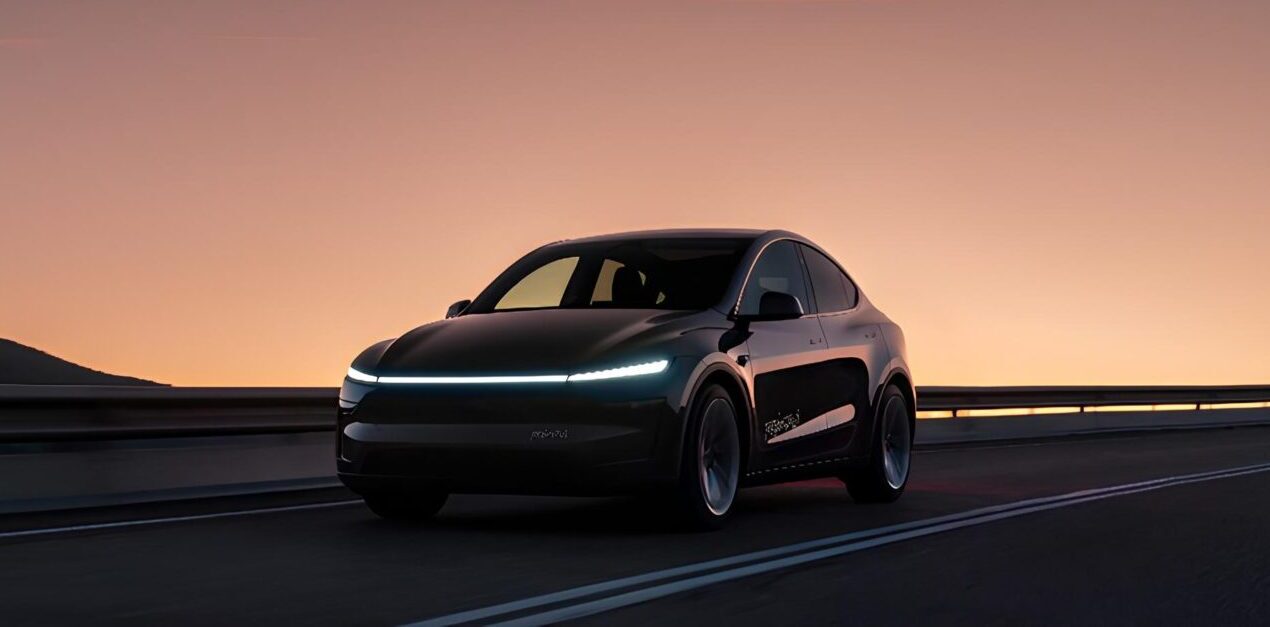
Tesla has confirmed the removal of safety drivers from a select number of its robotaxi vehicles operating in Austin, Texas. During a speech at the World Economic Forum summit in Davos, CEO Elon Musk indicated that while most vehicles in this limited fleet still have human oversight, the number of driverless operations is expected to grow. This initiative follows Musk’s announcement last month regarding ongoing testing without human intervention.
The move to eliminate safety drivers marks another significant milestone in Tesla’s pilot service in Austin. The company has already expanded the geofenced areas where its robotaxis operate and increased the overall size of the fleet, which currently consists of 34 vehicles. In contrast, Waymo operates a fleet of over 100 vehicles in the same city, highlighting the competitive landscape of autonomous vehicle services.
Concerns about safety have emerged regarding Tesla’s Austin service. According to reports from the National Highway Traffic Safety Administration (NHTSA), the company has recorded eight crashes over a six-month period. This equates to an incident approximately every 40,000 miles, significantly higher than the national average for human drivers, who average a crash every 500,000 miles. Additionally, Tesla’s crash reports often redact crucial information, limiting the ability to assess fault or the circumstances of these incidents.
Despite the challenges in Austin, Tesla continues to operate a “chauffeur” service in California’s Bay Area, which employs human drivers using driver-assist technology. Although Musk had previously pledged to introduce a robotaxi service in California, the company has not yet sought permission to test fully autonomous vehicles in the state.
Musk has ambitious plans, projecting that Tesla will provide robotaxi coverage to half of the U.S. population by the end of 2025. However, this timeline remains uncertain. Last year, California regulators determined that Tesla had engaged in misleading marketing regarding its driverless capabilities, leading to significant scrutiny. In China, the automaker was compelled to rebrand its Full Self-Driving technology as “Intelligent Assisted Driving” to comply with new regulations aimed at preventing companies from overstating their autonomous technology.
Tesla’s progress in the autonomous vehicle sector lags behind competitors like Waymo, which began offering autonomous rides in Phoenix in late 2018 and has since expanded its services to Austin, Los Angeles, San Francisco, Atlanta, and Miami. Waymo’s fleet has now grown to exceed 2,000 vehicles, with plans to launch its first international service in London by 2026.
As Tesla pushes forward with its autonomous initiatives, the automotive industry watches closely, balancing innovation with the pressing need for safety and regulatory compliance.

Moyes Faces Referee Controversy Ahead of Everton vs Chelsea Clash

Man Hospitalised After Assault Outside Shop in Sandwell

Fred MacAulay and Ally McCoist Reunite for Special World Cup Show

NoOnes Targets $1 Trillion Gift Card Market to Enhance Crypto Access

Beloved Actor Matt Clark Passes Away at 89, Fans Mourn Loss

Discover How Milk Thistle Supplements Enhance Liver Health

Irish Community Care Celebrates 60 Years of Support in Liverpool

New Affordable Housing Development Planned for Crawley Site

Millions of Parking Tickets Issued Amid Calls for Reform

Claire Tomlinson Bids Farewell to Sky Sports After 27 Years

Iconic 90s TV Show House Hits Market for £1.1 Million

Tributes Flow for Kerry Gentle, Beloved RNLI Volunteer and Artist

Nathan Cleary’s Family Celebrates Engagement Amid Romance Rumors

Milk Bank Urges Mothers to Donate for Premature Babies’ Health

Shoppers Flock to Discounted Neck Pillow on Amazon for Travel Comfort

Alessia Russo Signs Long-Term Deal with Arsenal Ahead of WSL Season

Nuneaton Town FC Advances Plans for New Stadium in Stockingford

Museums Body Critiques EHRC Proposals on Gender Facilities
-
 Lifestyle6 months ago
Claire Tomlinson Bids Farewell to Sky Sports After 27 Years
-
 Entertainment9 months ago
Iconic 90s TV Show House Hits Market for £1.1 Million
-
 Lifestyle6 months ago
Tributes Flow for Kerry Gentle, Beloved RNLI Volunteer and Artist
-
 Sports11 months ago
Nathan Cleary’s Family Celebrates Engagement Amid Romance Rumors
-
 Lifestyle11 months ago
Milk Bank Urges Mothers to Donate for Premature Babies’ Health
-
 Lifestyle11 months ago
Shoppers Flock to Discounted Neck Pillow on Amazon for Travel Comfort
-
 Sports10 months ago
Alessia Russo Signs Long-Term Deal with Arsenal Ahead of WSL Season
-
 Sports8 months ago
Nuneaton Town FC Advances Plans for New Stadium in Stockingford
-
 Politics11 months ago
Museums Body Critiques EHRC Proposals on Gender Facilities
-
 Lifestyle11 months ago
Exploring England’s Cathedrals: A Journey Through History and Architecture
-

 Business11 months ago
Trump Visits Europe: Business, Politics, or Leisure?
-

 Lifestyle11 months ago
Japanese Teen Sorato Shimizu Breaks U18 100m Record in 10 Seconds