
Business
Trump’s New Tariffs Challenge Plans for $2,000 Payments to Americans

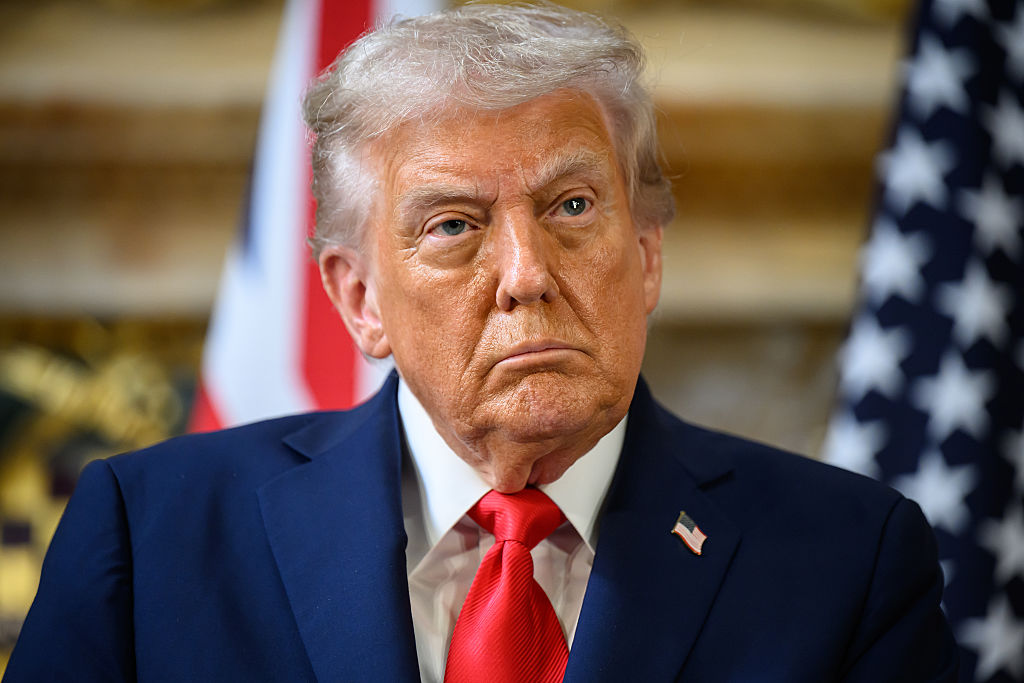
President Donald Trump announced a new round of 15 percent global tariffs on imported goods on February 21, 2026. This decision has reignited discussions about his proposed $2,000 checks for nearly all Americans, a plan he has claimed would be funded through revenue generated from these tariffs. While the promise of direct payments sounds appealing, the underlying complexities raise significant questions about its feasibility.
Tariffs as a Tool for Economic Policy
Trump has long maintained that tariffs serve multiple purposes: protecting U.S. manufacturing, penalizing countries engaging in unfair trade practices, and increasing government revenue without raising domestic taxes. The latest 15 percent tariff builds on previous measures and is framed by the White House as a necessary step to “rebalance global trade.”
This announcement follows a recent ruling by the U.S. Supreme Court, which limited Trump’s ability to impose extensive tariffs under emergency economic powers. Consequently, the administration has turned to alternative legal mechanisms for temporary tariffs, which come with strict limitations and timeframes. This legal uncertainty could significantly impact Trump’s $2,000 proposal.
The Reality Behind the $2,000 Checks
Since late 2025, Trump has floated the idea of a “tariff dividend,” suggesting that revenue from global tariffs could be redistributed to Americans in the form of $2,000 checks for most adults. The increase in tariffs theoretically enhances the potential revenue pool. However, experts caution that even with higher tariffs, the revenue generated would likely fall short of the hundreds of billions of dollars necessary to fund such a program.
Historically, U.S. tariff revenue has been a small fraction of what would be required to support widespread payments to Americans. For instance, sending $2,000 to nearly every adult American would entail substantial costs, not just for the payments themselves but also for administrative expenses associated with distribution.
Another crucial aspect of this discussion is who ultimately bears the cost of tariffs. Contrary to Trump’s assertion that foreign countries pay these tariffs, economists generally agree that the financial burden is passed onto U.S. consumers and businesses, who face higher prices for essential goods such as food, electronics, and vehicles. This could diminish purchasing power, potentially negating the benefits of any future rebate.
Political and legal challenges also loom over the proposal. As of now, there is no legislation from Congress authorizing the $2,000 payments. Some lawmakers, including members of Trump’s own party, have expressed skepticism, suggesting that tariff revenue should be allocated to deficit reduction rather than direct payments to citizens. Additionally, if the tariffs imposed under contentious legal authority are later overturned, the government might be required to refund collected money instead of redistributing it.
While Trump’s new 15 percent tariffs make the prospect of $2,000 payments appear more plausible on paper, significant hurdles remain. Without clear legal justification, congressional approval, and a revenue model that surpasses historical levels, the promise of these checks is far from assured. For now, they stand as a potent talking point in a politically charged environment, resting on shaky economic and legal foundations.

Moyes Faces Referee Controversy Ahead of Everton vs Chelsea Clash

Man Hospitalised After Assault Outside Shop in Sandwell

Fred MacAulay and Ally McCoist Reunite for Special World Cup Show

NoOnes Targets $1 Trillion Gift Card Market to Enhance Crypto Access

Beloved Actor Matt Clark Passes Away at 89, Fans Mourn Loss

Discover How Milk Thistle Supplements Enhance Liver Health

Irish Community Care Celebrates 60 Years of Support in Liverpool

New Affordable Housing Development Planned for Crawley Site

Millions of Parking Tickets Issued Amid Calls for Reform

Claire Tomlinson Bids Farewell to Sky Sports After 27 Years

Iconic 90s TV Show House Hits Market for £1.1 Million

Tributes Flow for Kerry Gentle, Beloved RNLI Volunteer and Artist

Nathan Cleary’s Family Celebrates Engagement Amid Romance Rumors

Milk Bank Urges Mothers to Donate for Premature Babies’ Health

Shoppers Flock to Discounted Neck Pillow on Amazon for Travel Comfort

Alessia Russo Signs Long-Term Deal with Arsenal Ahead of WSL Season

Nuneaton Town FC Advances Plans for New Stadium in Stockingford

Museums Body Critiques EHRC Proposals on Gender Facilities
-
 Lifestyle6 months ago
Claire Tomlinson Bids Farewell to Sky Sports After 27 Years
-
 Entertainment9 months ago
Iconic 90s TV Show House Hits Market for £1.1 Million
-
 Lifestyle6 months ago
Tributes Flow for Kerry Gentle, Beloved RNLI Volunteer and Artist
-
 Sports11 months ago
Nathan Cleary’s Family Celebrates Engagement Amid Romance Rumors
-
 Lifestyle11 months ago
Milk Bank Urges Mothers to Donate for Premature Babies’ Health
-
 Lifestyle11 months ago
Shoppers Flock to Discounted Neck Pillow on Amazon for Travel Comfort
-
 Sports10 months ago
Alessia Russo Signs Long-Term Deal with Arsenal Ahead of WSL Season
-
 Sports8 months ago
Nuneaton Town FC Advances Plans for New Stadium in Stockingford
-
 Politics11 months ago
Museums Body Critiques EHRC Proposals on Gender Facilities
-

 Lifestyle11 months ago
Exploring England’s Cathedrals: A Journey Through History and Architecture
-

 Business11 months ago
Trump Visits Europe: Business, Politics, or Leisure?
-

 Lifestyle11 months ago
Japanese Teen Sorato Shimizu Breaks U18 100m Record in 10 Seconds