
Business
Tyne and Wear Metro Caps Fares at £2.50, But Many Pay More

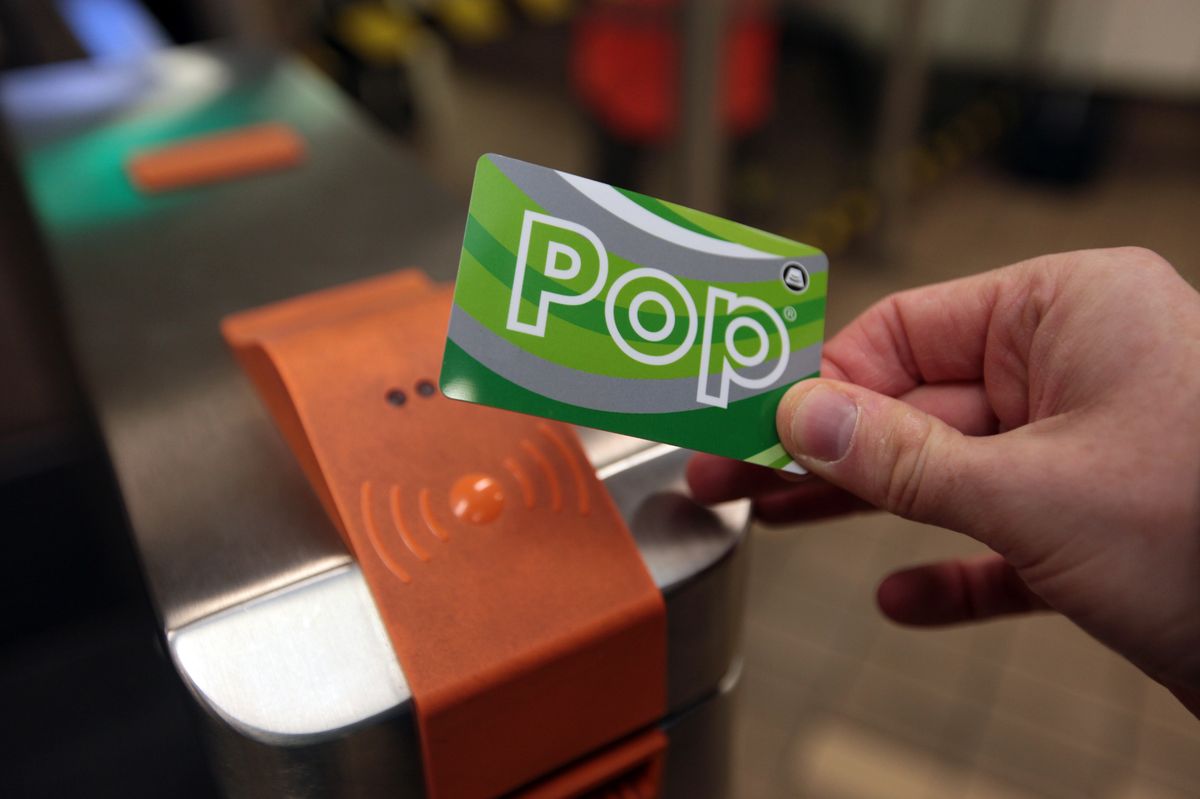
North East mayor Kim McGuinness has announced a new fare cap for the Tyne and Wear Metro, limiting the cost of a journey to £2.50. This initiative aims to make public transport more affordable for commuters in the region. However, many passengers will still face fare increases starting in April 2024.
Details of the Fare Cap
Under the new regulations, the capped fare of £2.50 applies to single journeys across the Metro network. The move is part of a broader strategy to enhance public transport accessibility and attract more users to the system. While the fare cap is positioned as a positive step, it may not alleviate fare increases for all passengers.
Many current fares will increase in April, meaning that some Metro users will end up paying more than the newly established cap. The specifics of these increases have raised concerns among regular commuters and advocates for public transport affordability.
Impact on Passengers and Public Transport Policy
Passionate responses from the public highlight a divide between the perceived benefits of the fare cap and the reality of rising costs. Regular users of the Tyne and Wear Metro have expressed frustration, stating that while the capped fare is beneficial for occasional riders, it does not address the financial strain on frequent commuters.
“This fare cap is a step in the right direction, but it doesn’t help those of us who rely on the Metro daily,” said a Metro user who wished to remain anonymous. “We still face higher costs in our monthly budgets.”
McGuinness defended the fare cap, emphasizing its potential to stimulate public transport use in North East England. “We are committed to making travel easier and more affordable for everyone,” she stated during the announcement. The fare cap is expected to be reviewed periodically to assess its effectiveness and impact on ridership.
In addition to the fare cap, the North East Combined Authority is exploring further measures to improve the overall public transport experience. These initiatives may include increased service frequency and enhanced amenities at stations, aimed at making the Metro a more attractive option for commuters.
As discussions continue, stakeholders will closely monitor the effects of these changes on both ridership levels and fare revenue. The balance between affordability and sustainability remains a crucial challenge for public transport authorities in the region.
With the fare changes set to come into effect in April 2024, passengers are urged to stay informed about their options and the impact on their travel budgets. The public transport landscape in the North East is evolving, and the outcome of these initiatives will play a significant role in shaping future transport policies.

Moyes Faces Referee Controversy Ahead of Everton vs Chelsea Clash

Man Hospitalised After Assault Outside Shop in Sandwell

Fred MacAulay and Ally McCoist Reunite for Special World Cup Show

NoOnes Targets $1 Trillion Gift Card Market to Enhance Crypto Access

Beloved Actor Matt Clark Passes Away at 89, Fans Mourn Loss

Discover How Milk Thistle Supplements Enhance Liver Health

Irish Community Care Celebrates 60 Years of Support in Liverpool

New Affordable Housing Development Planned for Crawley Site

Millions of Parking Tickets Issued Amid Calls for Reform

Claire Tomlinson Bids Farewell to Sky Sports After 27 Years

Iconic 90s TV Show House Hits Market for £1.1 Million

Tributes Flow for Kerry Gentle, Beloved RNLI Volunteer and Artist

Nathan Cleary’s Family Celebrates Engagement Amid Romance Rumors

Milk Bank Urges Mothers to Donate for Premature Babies’ Health

Shoppers Flock to Discounted Neck Pillow on Amazon for Travel Comfort

Alessia Russo Signs Long-Term Deal with Arsenal Ahead of WSL Season

Nuneaton Town FC Advances Plans for New Stadium in Stockingford

Museums Body Critiques EHRC Proposals on Gender Facilities
-
 Lifestyle6 months ago
Claire Tomlinson Bids Farewell to Sky Sports After 27 Years
-
 Entertainment9 months ago
Iconic 90s TV Show House Hits Market for £1.1 Million
-
 Lifestyle6 months ago
Tributes Flow for Kerry Gentle, Beloved RNLI Volunteer and Artist
-
 Sports11 months ago
Nathan Cleary’s Family Celebrates Engagement Amid Romance Rumors
-
 Lifestyle11 months ago
Milk Bank Urges Mothers to Donate for Premature Babies’ Health
-
 Lifestyle11 months ago
Shoppers Flock to Discounted Neck Pillow on Amazon for Travel Comfort
-
 Sports10 months ago
Alessia Russo Signs Long-Term Deal with Arsenal Ahead of WSL Season
-
 Sports8 months ago
Nuneaton Town FC Advances Plans for New Stadium in Stockingford
-
 Politics11 months ago
Museums Body Critiques EHRC Proposals on Gender Facilities
-

 Lifestyle11 months ago
Exploring England’s Cathedrals: A Journey Through History and Architecture
-

 Business11 months ago
Trump Visits Europe: Business, Politics, or Leisure?
-

 Lifestyle11 months ago
Japanese Teen Sorato Shimizu Breaks U18 100m Record in 10 Seconds