
Business
UK Launches Deposit Return Scheme to Incentivize Recycling

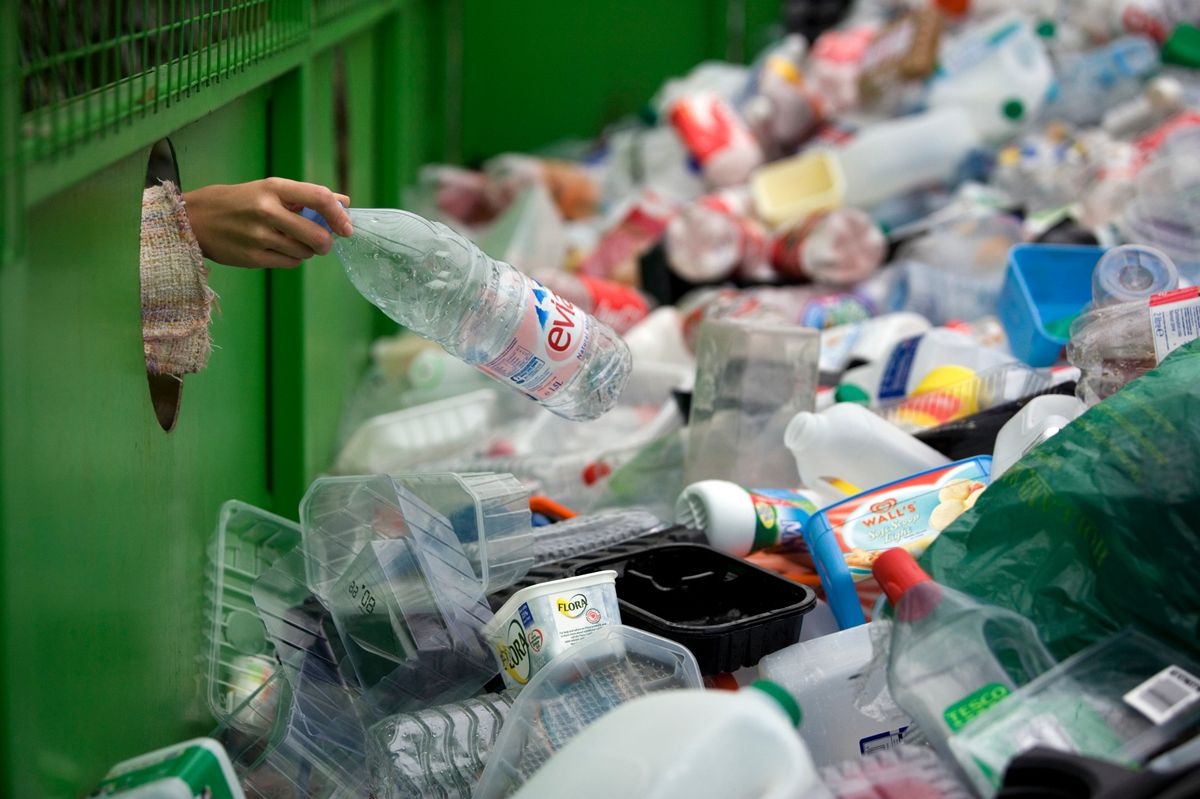
The United Kingdom is set to implement a new Deposit Return Scheme (DRS) that will reward households for returning empty drinks containers. Starting in October 2027, residents across England, Scotland, and Northern Ireland will receive financial compensation for bringing back specific types of waste, including bottles and cans, to designated collection points at major supermarkets.
The Department for Environment, Food and Rural Affairs (Defra) announced the initiative, aimed at tackling the growing issue of litter and waste in urban areas, countryside, and waterways. By offering a cash incentive for recycling, the government hopes to significantly decrease the volume of plastic waste contributing to environmental degradation.
The scheme will allow individuals to return empty drinks containers without needing a receipt. Collection points will be available at prominent retailers such as Tesco, Asda, Morrisons, and Sainsbury’s, as well as at smaller grocery stores and convenience outlets. By integrating recycling into routine shopping trips, the government aims to foster a culture of sustainability among consumers.
According to the Environmental Improvement Plan (EIP) 2025, Defra detailed the types of containers included in the scheme. Eligible items will be single-use drinks containers made primarily from aluminium, steel, or polyethylene terephthalate (PET) plastic, with a capacity ranging from 150 millilitres to 3 litres. Containers that are non-single-use or made from high-density polyethylene (HDPE), such as milk bottles, will not qualify for the deposit scheme.
Retailers will be responsible for refunding the deposit when consumers return their containers. This can be done through various methods, including vouchers or cash, further incentivizing participation. The initiative mirrors successful recycling programs already in place in over 50 countries, including Germany, Sweden, and the Republic of Ireland, which have demonstrated marked improvements in recycling rates.
The government has emphasized the potential of the DRS to combat litter and increase recycling, which has stagnated for over 15 years. “Our packaging reforms will create 25,000 jobs and lead to more than £10 billion in investments in recycling over the next decade,” stated a spokesperson from Defra.
In urban settings, retailers with a retail space of less than 100 square meters will be exempt from hosting a return point, although they can opt to become voluntary participants. Other establishments, such as hospitality venues, schools, and gyms, can also apply to serve as return points, broadening public access to recycling facilities.
Wales is concurrently developing its own deposit return scheme, which will align with those in England, Scotland, and Northern Ireland. Defra clarified that anyone can return drinks containers to collection points, even those not originally purchased by them, as long as the items are in acceptable condition. This inclusive approach aims to engage the community in efforts to clean up local environments.
Defra further commented, “This simple change will reward people for doing the right thing and recycling their empty drink containers. Together, we will turn the tide on plastic waste.” The anticipated scheme seeks not only to diminish litter but also to foster a sense of responsibility and collective action towards improving the environment.

Moyes Faces Referee Controversy Ahead of Everton vs Chelsea Clash

Man Hospitalised After Assault Outside Shop in Sandwell

Fred MacAulay and Ally McCoist Reunite for Special World Cup Show

NoOnes Targets $1 Trillion Gift Card Market to Enhance Crypto Access

Beloved Actor Matt Clark Passes Away at 89, Fans Mourn Loss

Discover How Milk Thistle Supplements Enhance Liver Health

Irish Community Care Celebrates 60 Years of Support in Liverpool

New Affordable Housing Development Planned for Crawley Site

Millions of Parking Tickets Issued Amid Calls for Reform

Claire Tomlinson Bids Farewell to Sky Sports After 27 Years

Iconic 90s TV Show House Hits Market for £1.1 Million

Tributes Flow for Kerry Gentle, Beloved RNLI Volunteer and Artist

Nathan Cleary’s Family Celebrates Engagement Amid Romance Rumors

Milk Bank Urges Mothers to Donate for Premature Babies’ Health

Shoppers Flock to Discounted Neck Pillow on Amazon for Travel Comfort

Alessia Russo Signs Long-Term Deal with Arsenal Ahead of WSL Season

Nuneaton Town FC Advances Plans for New Stadium in Stockingford

Museums Body Critiques EHRC Proposals on Gender Facilities
-
 Lifestyle6 months ago
Claire Tomlinson Bids Farewell to Sky Sports After 27 Years
-
 Entertainment9 months ago
Iconic 90s TV Show House Hits Market for £1.1 Million
-
 Lifestyle6 months ago
Tributes Flow for Kerry Gentle, Beloved RNLI Volunteer and Artist
-
 Sports11 months ago
Nathan Cleary’s Family Celebrates Engagement Amid Romance Rumors
-
 Lifestyle11 months ago
Milk Bank Urges Mothers to Donate for Premature Babies’ Health
-
 Lifestyle11 months ago
Shoppers Flock to Discounted Neck Pillow on Amazon for Travel Comfort
-
 Sports10 months ago
Alessia Russo Signs Long-Term Deal with Arsenal Ahead of WSL Season
-
 Sports8 months ago
Nuneaton Town FC Advances Plans for New Stadium in Stockingford
-
 Politics11 months ago
Museums Body Critiques EHRC Proposals on Gender Facilities
-

 Lifestyle11 months ago
Exploring England’s Cathedrals: A Journey Through History and Architecture
-

 Business11 months ago
Trump Visits Europe: Business, Politics, or Leisure?
-

 Lifestyle11 months ago
Japanese Teen Sorato Shimizu Breaks U18 100m Record in 10 Seconds