
Health
Blood Metabolites Predict Type 2 Diabetes Risk Years Early

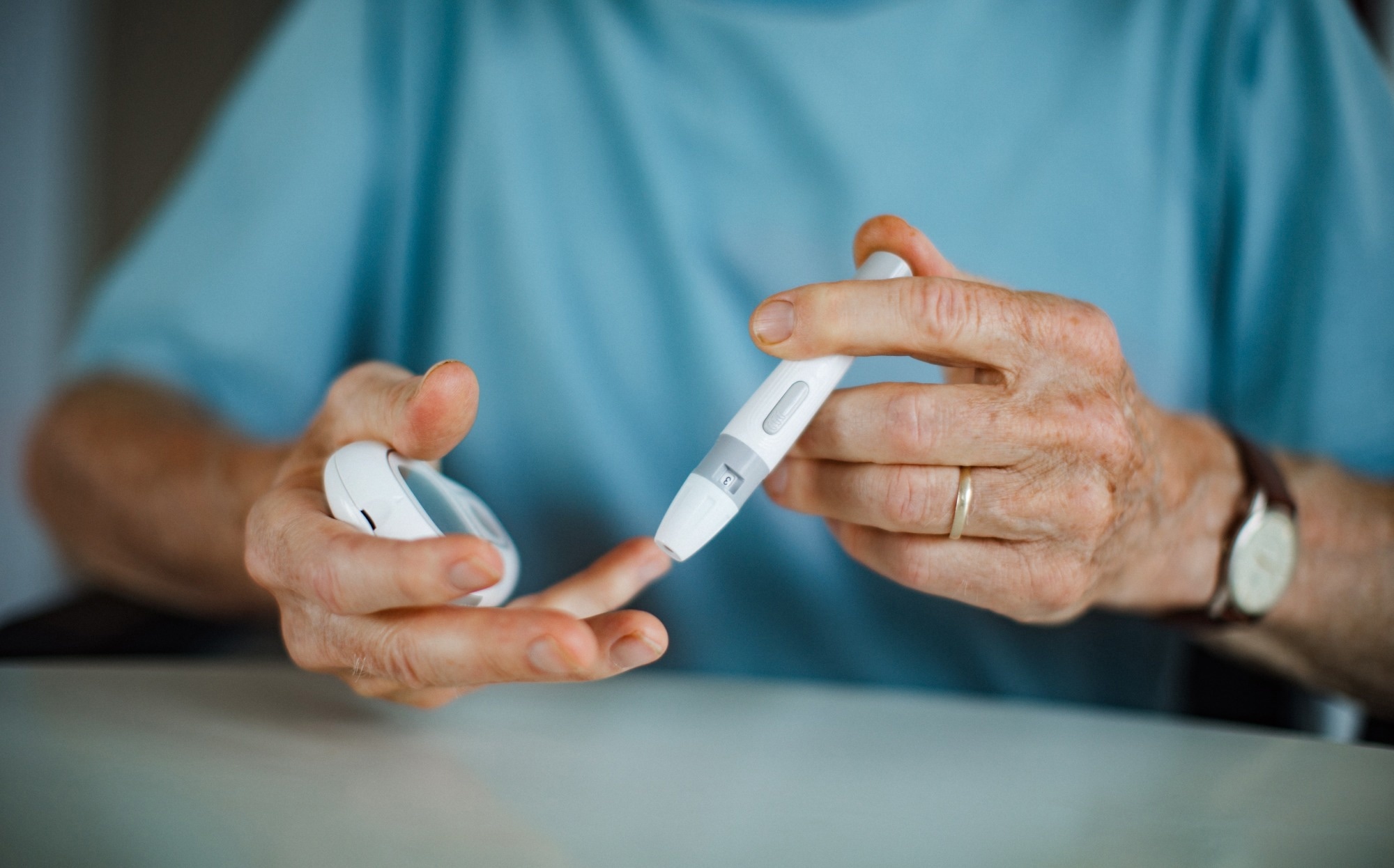
Researchers from Mass General Brigham and Albert Einstein College of Medicine have developed a new method to predict the risk of developing type 2 diabetes (T2D) years ahead of clinical diagnosis. Their study, recently published in Nature Medicine, identifies specific circulating blood metabolites that can significantly improve risk assessment beyond traditional factors such as body mass index (BMI) and blood glucose levels.
The global incidence of diabetes is rising at an alarming rate. Currently, about 589 million adults live with diabetes, a number projected to exceed 853 million by 2050. T2D, which accounts for over 90% of diabetes cases, is marked by insulin resistance and high blood sugar levels, leading to severe health consequences.
Understanding Metabolites and Their Role in Diabetes Risk
Metabolites are small molecules produced during metabolism, and previous studies have linked over 100 of these metabolites to T2D risk. The recent findings suggest that these metabolite profiles are influenced by a combination of genetic, health, and lifestyle factors, including diet and physical activity. Despite the evidence available, the specific metabolites associated with T2D and their determinants have not been comprehensively characterized until now.
To address this gap, the research team analyzed blood samples from 23,634 diabetes-free individuals over a follow-up period of up to 26 years. The study included participants from diverse racial and ethnic backgrounds, ensuring a broad representation.
Through extensive analysis, researchers identified 235 metabolites, including 67 newly recognized in this study, that are linked to T2D risk. Notably, these associations remained significant even after accounting for conventional risk factors such as obesity, blood lipids, and lifestyle habits.
Genetic and Lifestyle Influences on Metabolite Profiles
The findings revealed that many identified metabolites are genetically linked to key biological pathways associated with T2D, including insulin resistance and liver function. The research highlighted that lifestyle factors, particularly physical activity, have a more substantial impact on diabetes-associated metabolites than on those not linked to the disease.
Further analysis indicated that certain metabolites may serve as mediators, connecting lifestyle choices to future T2D risk. For instance, metabolites associated with physical activity were linked to insulin resistance and liver function impairment, while those related to coffee and tea consumption were connected to glucose responses and polyphenol metabolism.
In a significant development, the researchers created a multi-metabolite risk signature comprising 44 metabolites that can enhance risk prediction beyond conventional clinical assessments. This signature was validated across multiple cohorts and effectively identified individuals at a heightened long-term risk of developing T2D.
The implications of this research are profound. By pinpointing individuals at risk, healthcare providers could implement timely interventions, potentially preventing the onset of T2D.
While the study lays a robust foundation for understanding the mechanisms behind T2D development, it is important to note that the observational design does not establish causality. Future randomized controlled trials are necessary to explore how lifestyle modifications can influence diabetes-associated metabolites and overall disease risk.
The study also highlights a notable limitation: approximately 77% of the participants were non-Hispanic White, indicating a need for more diverse representation in future research to ensure findings are applicable across different demographics.
The work by Li J. and colleagues represents a significant step forward in diabetes research, paving the way for precision prevention strategies targeting specific metabolic pathways and improving health outcomes for at-risk populations.

Moyes Faces Referee Controversy Ahead of Everton vs Chelsea Clash

Man Hospitalised After Assault Outside Shop in Sandwell

Fred MacAulay and Ally McCoist Reunite for Special World Cup Show

NoOnes Targets $1 Trillion Gift Card Market to Enhance Crypto Access

Beloved Actor Matt Clark Passes Away at 89, Fans Mourn Loss

Discover How Milk Thistle Supplements Enhance Liver Health

Irish Community Care Celebrates 60 Years of Support in Liverpool

New Affordable Housing Development Planned for Crawley Site

Millions of Parking Tickets Issued Amid Calls for Reform

Claire Tomlinson Bids Farewell to Sky Sports After 27 Years

Iconic 90s TV Show House Hits Market for £1.1 Million

Nathan Cleary’s Family Celebrates Engagement Amid Romance Rumors

Tributes Flow for Kerry Gentle, Beloved RNLI Volunteer and Artist

Milk Bank Urges Mothers to Donate for Premature Babies’ Health

Shoppers Flock to Discounted Neck Pillow on Amazon for Travel Comfort

Alessia Russo Signs Long-Term Deal with Arsenal Ahead of WSL Season

Nuneaton Town FC Advances Plans for New Stadium in Stockingford

Exploring England’s Cathedrals: A Journey Through History and Architecture
-
 Lifestyle8 months ago
Claire Tomlinson Bids Farewell to Sky Sports After 27 Years
-
 Entertainment11 months ago
Iconic 90s TV Show House Hits Market for £1.1 Million
-
 Sports1 year ago
Nathan Cleary’s Family Celebrates Engagement Amid Romance Rumors
-
 Lifestyle8 months ago
Tributes Flow for Kerry Gentle, Beloved RNLI Volunteer and Artist
-
 Lifestyle1 year ago
Milk Bank Urges Mothers to Donate for Premature Babies’ Health
-
 Lifestyle1 year ago
Shoppers Flock to Discounted Neck Pillow on Amazon for Travel Comfort
-
 Sports12 months ago
Alessia Russo Signs Long-Term Deal with Arsenal Ahead of WSL Season
-
 Sports9 months ago
Nuneaton Town FC Advances Plans for New Stadium in Stockingford
-
 Lifestyle1 year ago
Exploring England’s Cathedrals: A Journey Through History and Architecture
-

 Politics1 year ago
Museums Body Critiques EHRC Proposals on Gender Facilities
-

 Business1 year ago
Trump Visits Europe: Business, Politics, or Leisure?
-

 Lifestyle1 year ago
Japanese Teen Sorato Shimizu Breaks U18 100m Record in 10 Seconds