
Health
Campaign Gains Momentum for Paid Leave for Endometriosis Sufferers

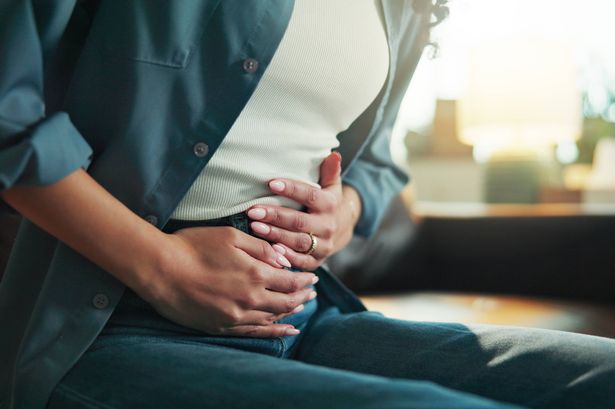
Women affected by endometriosis and adenomyosis may soon have the legal right to take up to three days of paid leave each month. This development comes as support for a petition advocating for such a measure has surged, exceeding 100,000 signatures and prompting a parliamentary debate in the UK.
The petition, initiated by Michelle Dewar, calls on the UK Government to introduce statutory paid menstrual leave for individuals diagnosed with endometriosis and adenomyosis, mirroring a model established in Portugal in 2025. The conditions involve the growth of tissue similar to the womb lining outside the uterus, which can lead to severe pain, heavy menstrual bleeding, and fertility challenges. Many women describe the pain as debilitating, comparing it to childbirth contractions or enduring continuous pelvic pressure, making everyday activities extremely difficult.
As support for this initiative grows, the petition’s rapid accumulation of signatures indicates a significant public interest in the issue. The Department for Business and Trade is now required to respond to Parliament regarding the petition and discuss any potential changes to workplace policies.
Government Response and Current Employment Rights
Despite the increasing support for the petition, officials from the Department for Business and Trade have stated that there are currently no plans to introduce dedicated leave for women suffering from these conditions. In their response to the petition, the department acknowledged the significant hardships caused by endometriosis and adenomyosis but emphasized that upcoming reforms to worker rights might provide some relief.
The Government has reiterated its commitment to improving workplace conditions, stating, “We recognise the difficulty and pain many women with endometriosis, adenomyosis, and other menstrual or reproductive health issues face.” The forthcoming reforms aim to enhance support for those experiencing severe symptoms, which may be classified as disabilities under the Equality Act 2010. This classification mandates employers to make reasonable adjustments to accommodate affected individuals, potentially including flexible working arrangements or reduced hours.
Legislative Changes and Support for Affected Women
The upcoming Employment Rights Bill is expected to boost access to Statutory Sick Pay for eligible employees from the first day of absence due to illness. This reform could significantly impact those suffering from menstrual or reproductive health issues by providing greater financial security during difficult periods.
Furthermore, the Bill aims to make flexible working the default option for employees, ensuring that individuals can negotiate arrangements that suit their needs while managing their conditions. The Government has emphasized the importance of balancing employee health and workplace demands, aiming to create a more supportive environment for all workers.
As the debate in Parliament approaches, the petition will remain open until January 29, 2024, allowing more individuals to show their support. The conversation surrounding paid leave for endometriosis and adenomyosis not only highlights the challenges faced by many women but also underscores the necessity for legislative changes to ensure equitable treatment in the workplace.
For those interested in following the developments, the petition site will provide updates regarding the scheduled debate and any further responses from the Government.

Moyes Faces Referee Controversy Ahead of Everton vs Chelsea Clash

Man Hospitalised After Assault Outside Shop in Sandwell

Fred MacAulay and Ally McCoist Reunite for Special World Cup Show

NoOnes Targets $1 Trillion Gift Card Market to Enhance Crypto Access

Beloved Actor Matt Clark Passes Away at 89, Fans Mourn Loss

Discover How Milk Thistle Supplements Enhance Liver Health

Irish Community Care Celebrates 60 Years of Support in Liverpool

New Affordable Housing Development Planned for Crawley Site

Millions of Parking Tickets Issued Amid Calls for Reform

Claire Tomlinson Bids Farewell to Sky Sports After 27 Years

Iconic 90s TV Show House Hits Market for £1.1 Million

Nathan Cleary’s Family Celebrates Engagement Amid Romance Rumors

Tributes Flow for Kerry Gentle, Beloved RNLI Volunteer and Artist

Milk Bank Urges Mothers to Donate for Premature Babies’ Health

Shoppers Flock to Discounted Neck Pillow on Amazon for Travel Comfort

Alessia Russo Signs Long-Term Deal with Arsenal Ahead of WSL Season

Nuneaton Town FC Advances Plans for New Stadium in Stockingford

Exploring England’s Cathedrals: A Journey Through History and Architecture
-
 Lifestyle8 months ago
Claire Tomlinson Bids Farewell to Sky Sports After 27 Years
-
 Entertainment11 months ago
Iconic 90s TV Show House Hits Market for £1.1 Million
-
 Sports1 year ago
Nathan Cleary’s Family Celebrates Engagement Amid Romance Rumors
-
 Lifestyle8 months ago
Tributes Flow for Kerry Gentle, Beloved RNLI Volunteer and Artist
-
 Lifestyle1 year ago
Milk Bank Urges Mothers to Donate for Premature Babies’ Health
-
 Lifestyle1 year ago
Shoppers Flock to Discounted Neck Pillow on Amazon for Travel Comfort
-
 Sports12 months ago
Alessia Russo Signs Long-Term Deal with Arsenal Ahead of WSL Season
-
 Sports9 months ago
Nuneaton Town FC Advances Plans for New Stadium in Stockingford
-
 Lifestyle1 year ago
Exploring England’s Cathedrals: A Journey Through History and Architecture
-

 Politics1 year ago
Museums Body Critiques EHRC Proposals on Gender Facilities
-

 Business1 year ago
Trump Visits Europe: Business, Politics, or Leisure?
-

 Lifestyle1 year ago
Japanese Teen Sorato Shimizu Breaks U18 100m Record in 10 Seconds