
Health
Drivers Must Report Sleep Disorders to Avoid DVLA Penalties

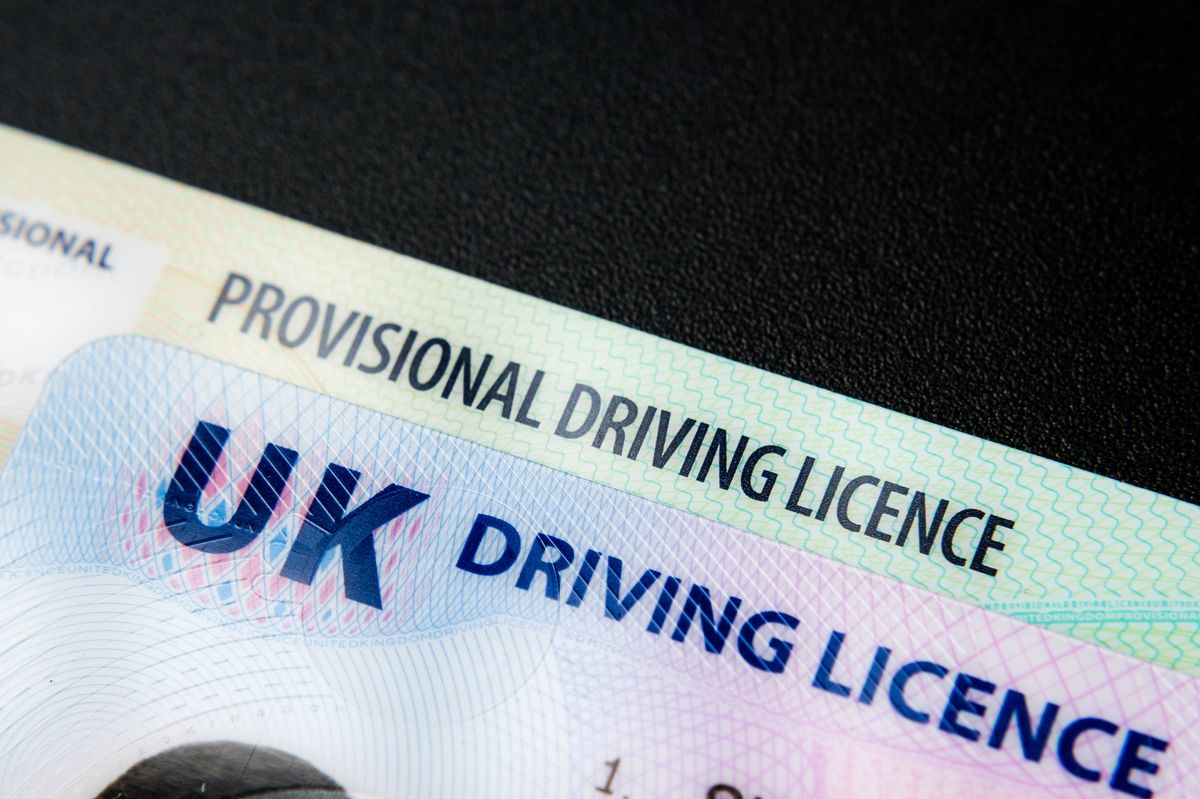
Motorists with sleep disorders such as sleep apnoea, narcolepsy, and cataplexy are required to inform the Driver and Vehicle Licensing Agency (DVLA), or face fines of up to £1,000. This warning highlights the serious implications of failing to report medical conditions that can significantly impair driving capabilities.
Individuals diagnosed with certain sleep disorders must notify the DVLA to avoid legal consequences. Those living with moderate to severe obstructive sleep apnoea syndrome (OSAS) accompanied by excessive sleepiness, or any other condition causing excessive sleepiness for three months or longer, are particularly urged to take action. The Labour Government’s official guidance states that “excessive sleepiness” can fundamentally affect a person’s ability to drive safely.
Legal Obligations and Consequences
Motorists are legally mandated to inform the DVLA if their medical condition impacts their driving ability. Symptoms such as excessive sleepiness may lead to a dangerous inability to concentrate, potentially resulting in accidents. The DVLA’s official guidance elaborates: “You must not drive until you’re free from excessive sleepiness or until your symptoms are under control and you’re strictly following any necessary treatment.”
Failure to declare a medical condition can lead to serious ramifications, including prosecution if involved in an accident due to undiagnosed excessive sleepiness. Individuals are encouraged to consult their doctors if unsure whether their condition affects their ability to drive safely. The DVLA emphasizes the importance of proactive communication regarding any medical issues that could impair driving.
Voluntary Surrender of Driving Licence
Motorists who find themselves in a situation where their doctor advises them to refrain from driving for more than three months may consider voluntarily surrendering their driving licence. This option allows individuals to take responsibility for their safety and the safety of others on the road. If a medical condition persists for three months or longer, it may indicate that the individual does not meet the necessary driving standards.
For those uncertain about whether their specific condition necessitates reporting, reaching out to the DVLA for guidance is strongly recommended. By following these protocols, drivers can ensure compliance with legal requirements while prioritizing their health and the safety of the public.
In summary, the DVLA’s emphasis on reporting sleep disorders aligns with public safety efforts. Motorists are urged to remain vigilant regarding their health and its potential impact on their driving ability to avoid unnecessary penalties and ensure safer roads.

Moyes Faces Referee Controversy Ahead of Everton vs Chelsea Clash

Man Hospitalised After Assault Outside Shop in Sandwell

Fred MacAulay and Ally McCoist Reunite for Special World Cup Show

NoOnes Targets $1 Trillion Gift Card Market to Enhance Crypto Access

Beloved Actor Matt Clark Passes Away at 89, Fans Mourn Loss

Discover How Milk Thistle Supplements Enhance Liver Health

Irish Community Care Celebrates 60 Years of Support in Liverpool

New Affordable Housing Development Planned for Crawley Site

Millions of Parking Tickets Issued Amid Calls for Reform

Claire Tomlinson Bids Farewell to Sky Sports After 27 Years

Iconic 90s TV Show House Hits Market for £1.1 Million

Nathan Cleary’s Family Celebrates Engagement Amid Romance Rumors

Tributes Flow for Kerry Gentle, Beloved RNLI Volunteer and Artist

Milk Bank Urges Mothers to Donate for Premature Babies’ Health

Shoppers Flock to Discounted Neck Pillow on Amazon for Travel Comfort

Alessia Russo Signs Long-Term Deal with Arsenal Ahead of WSL Season

Nuneaton Town FC Advances Plans for New Stadium in Stockingford

Exploring England’s Cathedrals: A Journey Through History and Architecture
-
 Lifestyle8 months ago
Claire Tomlinson Bids Farewell to Sky Sports After 27 Years
-
 Entertainment11 months ago
Iconic 90s TV Show House Hits Market for £1.1 Million
-
 Sports1 year ago
Nathan Cleary’s Family Celebrates Engagement Amid Romance Rumors
-
 Lifestyle8 months ago
Tributes Flow for Kerry Gentle, Beloved RNLI Volunteer and Artist
-
 Lifestyle1 year ago
Milk Bank Urges Mothers to Donate for Premature Babies’ Health
-
 Lifestyle1 year ago
Shoppers Flock to Discounted Neck Pillow on Amazon for Travel Comfort
-
 Sports12 months ago
Alessia Russo Signs Long-Term Deal with Arsenal Ahead of WSL Season
-
 Sports9 months ago
Nuneaton Town FC Advances Plans for New Stadium in Stockingford
-
 Lifestyle1 year ago
Exploring England’s Cathedrals: A Journey Through History and Architecture
-

 Politics1 year ago
Museums Body Critiques EHRC Proposals on Gender Facilities
-

 Business1 year ago
Trump Visits Europe: Business, Politics, or Leisure?
-

 Lifestyle1 year ago
Japanese Teen Sorato Shimizu Breaks U18 100m Record in 10 Seconds