
Health
Government Clarifies Blue Badge Eligibility for Parkinson’s Patients

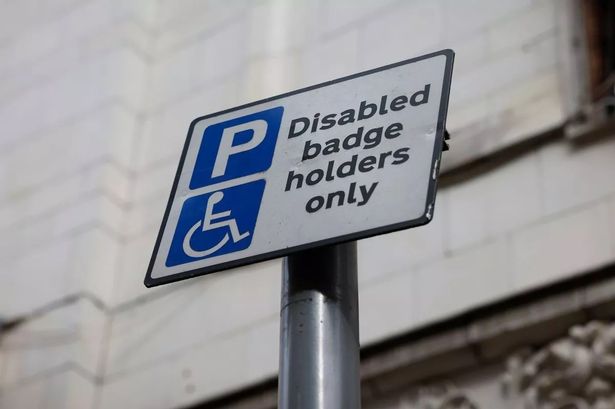
The UK government has clarified the eligibility criteria for the Blue Badge scheme, addressing concerns from individuals living with Parkinson’s disease. The Blue Badge scheme allows those with disabilities to park in designated accessible areas, which is vital for many who face mobility challenges. This statement comes after inquiries regarding the inclusion of individuals with Parkinson’s, a condition affecting approximately 160,000 people in the UK.
Parkinson’s disease progressively damages specific areas of the brain, leading to various debilitating symptoms. These include involuntary shaking, slow movement, and muscle stiffness, along with psychological issues such as depression and anxiety. The National Health Service (NHS) outlines that the impact of Parkinson’s can vary considerably among individuals, making mobility support crucial.
In response to a parliamentary question raised by Liberal Democrat MP Tom Morrison, the Department for Transport (DfT) has emphasized that eligibility for a Blue Badge is determined by mobility impairment rather than specific conditions. On January 5, 2023, Simon Lightwood, the Minister for Roads and Buses, stated that while Parkinson’s does not automatically qualify individuals for a Blue Badge, applicants may still be accepted based on the evidence of their mobility challenges.
The government’s statement highlights the importance of a flexible approach to eligibility, recognizing that many people with fluctuating conditions like Parkinson’s still require support. Lightwood noted, “This Government fully recognises the importance of ensuring that the Blue Badge scheme supports those who have their mobility impacted by substantial and enduring disabilities and other health conditions.” He urged individuals to apply for a Blue Badge through the official government website, whether for themselves or on behalf of others who need assistance.
Local authorities ultimately decide on Blue Badge applications, which underscores the need for clear documentation of mobility issues. The government has previously expanded the Blue Badge scheme to include individuals with “invisible” disabilities, such as dementia and epilepsy, in 2019. This expansion aimed to provide broader support for people whose conditions may not be immediately visible but significantly affect their daily lives.
The recent clarification from the government aims to ensure that those living with Parkinson’s and similar conditions are aware of their potential eligibility for the Blue Badge scheme. By focusing on mobility impact rather than predefined conditions, the government seeks to provide necessary assistance to a wider range of individuals, enhancing their ability to access essential services and maintain independence.

Moyes Faces Referee Controversy Ahead of Everton vs Chelsea Clash

Man Hospitalised After Assault Outside Shop in Sandwell

Fred MacAulay and Ally McCoist Reunite for Special World Cup Show

NoOnes Targets $1 Trillion Gift Card Market to Enhance Crypto Access

Beloved Actor Matt Clark Passes Away at 89, Fans Mourn Loss

Discover How Milk Thistle Supplements Enhance Liver Health

Irish Community Care Celebrates 60 Years of Support in Liverpool

New Affordable Housing Development Planned for Crawley Site

Millions of Parking Tickets Issued Amid Calls for Reform

Claire Tomlinson Bids Farewell to Sky Sports After 27 Years

Iconic 90s TV Show House Hits Market for £1.1 Million

Nathan Cleary’s Family Celebrates Engagement Amid Romance Rumors

Tributes Flow for Kerry Gentle, Beloved RNLI Volunteer and Artist

Milk Bank Urges Mothers to Donate for Premature Babies’ Health

Shoppers Flock to Discounted Neck Pillow on Amazon for Travel Comfort

Alessia Russo Signs Long-Term Deal with Arsenal Ahead of WSL Season

Nuneaton Town FC Advances Plans for New Stadium in Stockingford

Exploring England’s Cathedrals: A Journey Through History and Architecture
-
 Lifestyle8 months ago
Claire Tomlinson Bids Farewell to Sky Sports After 27 Years
-
 Entertainment11 months ago
Iconic 90s TV Show House Hits Market for £1.1 Million
-
 Sports1 year ago
Nathan Cleary’s Family Celebrates Engagement Amid Romance Rumors
-
 Lifestyle8 months ago
Tributes Flow for Kerry Gentle, Beloved RNLI Volunteer and Artist
-
 Lifestyle1 year ago
Milk Bank Urges Mothers to Donate for Premature Babies’ Health
-
 Lifestyle1 year ago
Shoppers Flock to Discounted Neck Pillow on Amazon for Travel Comfort
-
 Sports12 months ago
Alessia Russo Signs Long-Term Deal with Arsenal Ahead of WSL Season
-
 Sports9 months ago
Nuneaton Town FC Advances Plans for New Stadium in Stockingford
-
 Lifestyle1 year ago
Exploring England’s Cathedrals: A Journey Through History and Architecture
-

 Politics1 year ago
Museums Body Critiques EHRC Proposals on Gender Facilities
-

 Business1 year ago
Trump Visits Europe: Business, Politics, or Leisure?
-

 Lifestyle1 year ago
Japanese Teen Sorato Shimizu Breaks U18 100m Record in 10 Seconds