
Health
Health Experts Recommend Oats as Top Food for Lowering Cholesterol

Recent consultations with various health professionals have identified oats as the leading food for lowering cholesterol levels. With cholesterol management becoming increasingly vital for many, this finding underscores the importance of dietary choices in maintaining cardiovascular health.
A personal account highlights the discovery of elevated cholesterol levels in an individual in their late twenties, likely influenced by diabetes and a less active lifestyle. Following dietary adjustments, including the incorporation of products like Benecol yoghurt drinks and a commitment to exercise, the individual successfully stabilised their cholesterol levels. This experience led to a deeper investigation into the most effective foods for cholesterol management, revealing a consensus among experts: oats are a crucial dietary component.
Oats are rich in soluble fibre, particularly beta-glucan, which is instrumental in reducing levels of low-density lipoprotein (LDL), often referred to as “bad” cholesterol. In contrast, high-density lipoprotein (HDL) is known as “good” cholesterol, as it helps transport excess cholesterol back to the liver for disposal. Dr. Naveed Asif, a general practitioner at The London General Practice, emphasises that cholesterol is essential for various bodily functions, including hormone production and digestion. However, excessive LDL levels can lead to serious health issues, including heart disease and strokes.
Dr. John Field, associate clinical director at Bupa Health Clinics, echoes this sentiment, noting that elevated cholesterol can result in fatty deposits in arteries, increasing the risk of cardiovascular diseases. He advises that lifestyle modifications, particularly dietary changes, are essential first steps in managing cholesterol levels.
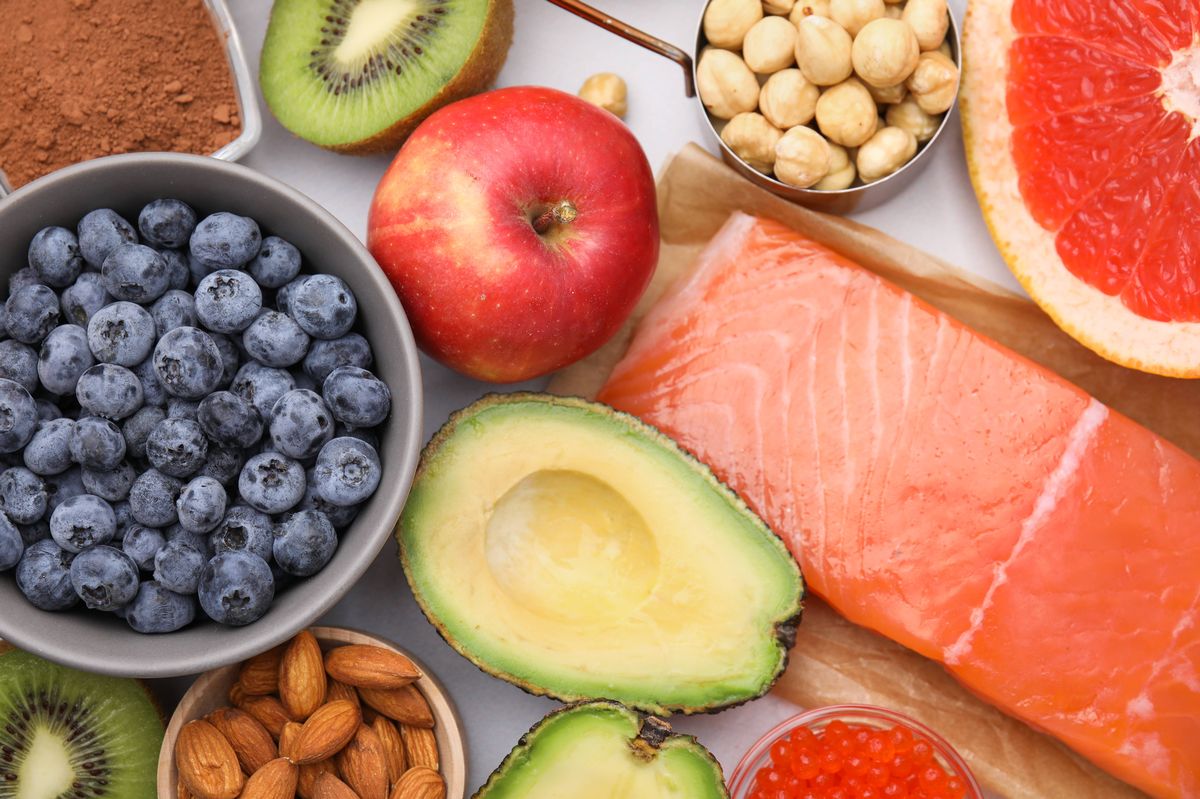
According to Dr. Saira Bano, a general practitioner with over a decade of experience, foods rich in soluble fibre and healthy fats are effective in lowering LDL cholesterol. Notably, she highlights oats and barley as top choices, recommending a daily intake of about 3 grams of beta-glucan from sources like porridge or oat bran. Other beneficial foods include beans, lentils, fruits and vegetables rich in soluble fibre, such as apples and berries.
Experts also suggest incorporating healthy fats into the diet. Dr. Adam Staten, resident doctor at One Day Tests, recommends following the Mediterranean Diet, which is rich in fruits, vegetables, and healthy fats while limiting red meat and processed foods. Research indicates that individuals consuming nuts five or more times a week may experience a 20% reduction in their risk of ischaemic heart disease.
In addition to oats, Dr. Richard Allison, a nutritionist at Herbalife, advises including unsaturated fats from sources like avocados, nuts, and olive oil, along with omega-3 fatty acids from oily fish. He stresses the importance of regular physical activity in raising HDL levels and lowering LDL levels, recommending at least 150 minutes of moderate exercise each week.
For those looking to enhance their cholesterol management, incorporating sterol or stanol-enriched products, such as Benecol, may provide additional benefits. These products can reduce LDL cholesterol by approximately 7-10% when consumed at daily levels of 1.5-2 grams.
Dr. Dave Nichols, a resident doctor for at-home testing brand MyHealthChecked, highlights the significance of a balanced approach to cholesterol management. He advocates for a diet rich in fibre, healthy fats, and regular exercise while avoiding saturated and trans fats.
Monitoring cholesterol levels is crucial for individuals, especially those with risk factors such as hypertension or diabetes. Dr. Tina Ghela, a digital clinician at Medichecks, recommends regular consultations with a GP to assess cholesterol levels and consider possible lifestyle changes or medications if necessary.
Overall, managing cholesterol levels effectively requires a combination of dietary choices, lifestyle adjustments, and consistent health monitoring. By prioritising foods high in soluble fibre, like oats, and making heart-healthy dietary substitutions, individuals can significantly improve their cardiovascular health and reduce the risk of related diseases.

Moyes Faces Referee Controversy Ahead of Everton vs Chelsea Clash

Man Hospitalised After Assault Outside Shop in Sandwell

Fred MacAulay and Ally McCoist Reunite for Special World Cup Show

NoOnes Targets $1 Trillion Gift Card Market to Enhance Crypto Access

Beloved Actor Matt Clark Passes Away at 89, Fans Mourn Loss

Discover How Milk Thistle Supplements Enhance Liver Health

Irish Community Care Celebrates 60 Years of Support in Liverpool

New Affordable Housing Development Planned for Crawley Site

Millions of Parking Tickets Issued Amid Calls for Reform

Claire Tomlinson Bids Farewell to Sky Sports After 27 Years

Iconic 90s TV Show House Hits Market for £1.1 Million

Nathan Cleary’s Family Celebrates Engagement Amid Romance Rumors

Tributes Flow for Kerry Gentle, Beloved RNLI Volunteer and Artist

Milk Bank Urges Mothers to Donate for Premature Babies’ Health

Shoppers Flock to Discounted Neck Pillow on Amazon for Travel Comfort

Alessia Russo Signs Long-Term Deal with Arsenal Ahead of WSL Season

Nuneaton Town FC Advances Plans for New Stadium in Stockingford

Exploring England’s Cathedrals: A Journey Through History and Architecture
-
 Lifestyle8 months ago
Claire Tomlinson Bids Farewell to Sky Sports After 27 Years
-
 Entertainment11 months ago
Iconic 90s TV Show House Hits Market for £1.1 Million
-
 Sports1 year ago
Nathan Cleary’s Family Celebrates Engagement Amid Romance Rumors
-
 Lifestyle8 months ago
Tributes Flow for Kerry Gentle, Beloved RNLI Volunteer and Artist
-
 Lifestyle1 year ago
Milk Bank Urges Mothers to Donate for Premature Babies’ Health
-
 Lifestyle1 year ago
Shoppers Flock to Discounted Neck Pillow on Amazon for Travel Comfort
-
 Sports12 months ago
Alessia Russo Signs Long-Term Deal with Arsenal Ahead of WSL Season
-
 Sports9 months ago
Nuneaton Town FC Advances Plans for New Stadium in Stockingford
-
 Lifestyle1 year ago
Exploring England’s Cathedrals: A Journey Through History and Architecture
-

 Politics1 year ago
Museums Body Critiques EHRC Proposals on Gender Facilities
-

 Business1 year ago
Trump Visits Europe: Business, Politics, or Leisure?
-

 Lifestyle1 year ago
Japanese Teen Sorato Shimizu Breaks U18 100m Record in 10 Seconds