
Health
High-Protein Diet Found to Combat Cholera Effectively

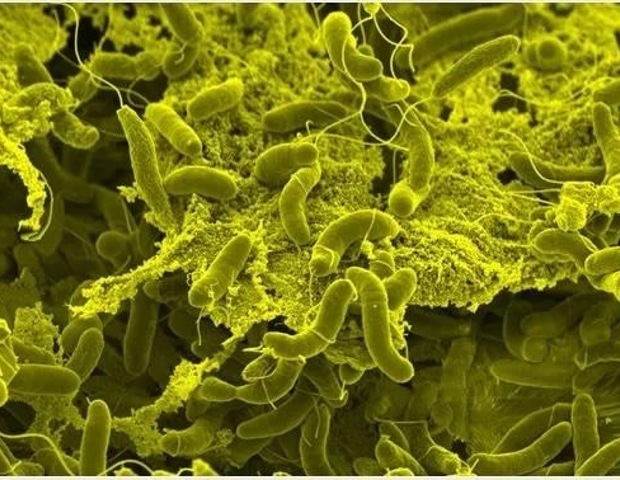
Recent research from the University of California, Riverside has shown that a high-protein diet can significantly reduce the effects of cholera, a severe bacterial infection that causes life-threatening diarrhea if left untreated. The study, published in the journal Cell Host & Microbe, highlights the impact of specific proteins, particularly casein found in dairy products and wheat gluten, on the bacteria’s ability to infect the gut.
The lead researcher, Ansel Hsiao, an associate professor of microbiology and plant pathology, expressed surprise at the magnitude of the findings. “We saw up to 100-fold differences in the amount of cholera colonization as a function of diet alone,” Hsiao stated. The research initially aimed to explore how diets influence the community of microbes in the gut, particularly when it comes to infectious bacteria.
Researchers tested various diets on infected mice, including those high in protein, simple carbohydrates, and fats. They observed that while high-fat diets had minimal effect on cholera infection rates, the protein-rich diets effectively curtailed the bacterium’s ability to colonize the gut. Notably, the diets rich in casein and wheat gluten demonstrated the strongest anti-cholera effects compared to a standard balanced diet.
Diet Modulates Bacterial Behavior
The study revealed that the proteins from these diets inhibit a critical component of the cholera bacteria known as the type 6 secretion system (T6SS). This microscopic structure allows cholera to inject toxins into neighboring cells, facilitating its harmful effects. When the T6SS is suppressed, cholera struggles to kill off other bacteria and occupy space in the intestines.
Cholera continues to pose a public health threat in various regions, especially in parts of Asia and Sub-Saharan Africa, where access to clean water is limited. Traditional treatment methods primarily focus on rehydration, and while antibiotics can shorten the duration of the illness, they do not eliminate the toxins left by the bacteria. Moreover, the overuse of antibiotics raises concerns about developing drug-resistant strains of cholera.
Hsiao pointed out that dietary interventions could serve as a safe alternative, emphasizing that “dietary strategies won’t generate antibiotic resistance in the same way a drug might.” This approach presents a low-cost, low-risk option for reducing infection severity among vulnerable populations. “Wheat gluten and casein are recognized as safe in a regulatory sense, making this a more straightforward way to protect public health,” he added.
Future Research Directions
While the findings are based on mouse models, Hsiao anticipates that high-protein diets may yield similar benefits for humans. He aims to investigate these effects further on human microbiomes and other infectious bacteria. “Some diets will be more successful than others, but I suspect we’ll also see a beneficial effect for pathogens beyond cholera,” he noted.
Improving dietary habits could play a crucial role in enhancing public health and protecting individuals from infectious diseases. As research continues, the implications of these findings may reshape strategies for combating cholera and similar infections globally.
The full study is available in Cell Host & Microbe, authored by Liu, R., et al., and can be accessed at doi: 10.1016/j.chom.2025.11.004.

Moyes Faces Referee Controversy Ahead of Everton vs Chelsea Clash

Man Hospitalised After Assault Outside Shop in Sandwell

Fred MacAulay and Ally McCoist Reunite for Special World Cup Show

NoOnes Targets $1 Trillion Gift Card Market to Enhance Crypto Access

Beloved Actor Matt Clark Passes Away at 89, Fans Mourn Loss

Discover How Milk Thistle Supplements Enhance Liver Health

Irish Community Care Celebrates 60 Years of Support in Liverpool

New Affordable Housing Development Planned for Crawley Site

Millions of Parking Tickets Issued Amid Calls for Reform

Claire Tomlinson Bids Farewell to Sky Sports After 27 Years

Iconic 90s TV Show House Hits Market for £1.1 Million

Nathan Cleary’s Family Celebrates Engagement Amid Romance Rumors

Tributes Flow for Kerry Gentle, Beloved RNLI Volunteer and Artist

Milk Bank Urges Mothers to Donate for Premature Babies’ Health

Shoppers Flock to Discounted Neck Pillow on Amazon for Travel Comfort

Alessia Russo Signs Long-Term Deal with Arsenal Ahead of WSL Season

Nuneaton Town FC Advances Plans for New Stadium in Stockingford

Exploring England’s Cathedrals: A Journey Through History and Architecture
-
 Lifestyle8 months ago
Claire Tomlinson Bids Farewell to Sky Sports After 27 Years
-
 Entertainment11 months ago
Iconic 90s TV Show House Hits Market for £1.1 Million
-
 Sports1 year ago
Nathan Cleary’s Family Celebrates Engagement Amid Romance Rumors
-
 Lifestyle8 months ago
Tributes Flow for Kerry Gentle, Beloved RNLI Volunteer and Artist
-
 Lifestyle1 year ago
Milk Bank Urges Mothers to Donate for Premature Babies’ Health
-
 Lifestyle1 year ago
Shoppers Flock to Discounted Neck Pillow on Amazon for Travel Comfort
-
 Sports12 months ago
Alessia Russo Signs Long-Term Deal with Arsenal Ahead of WSL Season
-
 Sports9 months ago
Nuneaton Town FC Advances Plans for New Stadium in Stockingford
-
 Lifestyle1 year ago
Exploring England’s Cathedrals: A Journey Through History and Architecture
-

 Politics1 year ago
Museums Body Critiques EHRC Proposals on Gender Facilities
-

 Business1 year ago
Trump Visits Europe: Business, Politics, or Leisure?
-

 Lifestyle1 year ago
Japanese Teen Sorato Shimizu Breaks U18 100m Record in 10 Seconds