
Health
Hormonal Changes Drive Weight Gain in Women Over 40

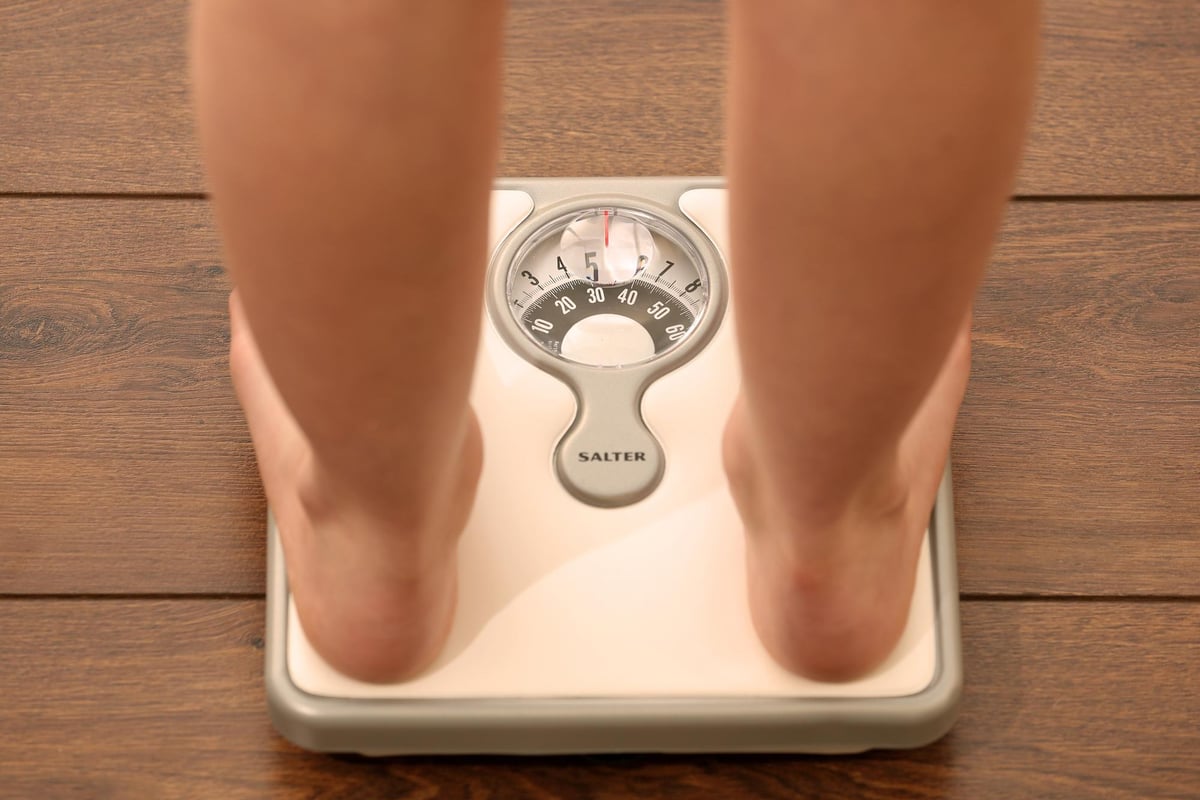
Many women over the age of 40 experience unexpected weight gain, often despite maintaining a healthy diet and exercise routine. This phenomenon is largely attributed to hormonal changes that significantly affect metabolism, challenging the common belief that weight management solely hinges on willpower and calorie intake.
Understanding the Impact of Hormones
As women age, particularly during the perimenopausal and menopausal phases, their bodies undergo significant hormonal shifts. The decline of estrogen and progesterone levels can lead to increased fat accumulation, especially around the abdomen. According to a study published in the journal Menopause, these hormonal fluctuations alter how the body processes fat and can make it increasingly difficult for women to maintain their weight.
Health professionals emphasize that these changes are not a reflection of a person’s self-discipline. Instead, they are biological responses to aging. Dr. Jennifer Gunter, a prominent OB/GYN and author, explains that “metabolism is profoundly influenced by hormones, and when those hormones change, so does how our bodies function.”
Research indicates that women may lose muscle mass as they age, further complicating weight management. Muscle tissue burns more calories at rest than fat tissue, so a decrease in muscle can lead to weight gain even when caloric intake remains constant.
New Perspectives on Weight Management
Understanding the connection between hormonal changes and weight gain can empower women to approach their health differently. Rather than focusing solely on calories and exercise, healthcare providers recommend a holistic approach. This includes focusing on nutrition, strength training, and stress management, all of which can help counteract the effects of hormonal changes.
Dietitian Emily F. Johnson advocates for incorporating protein-rich foods and healthy fats into meals, which can support muscle retention and overall health. “Balanced nutrition is crucial as we age,” she states. “It’s not just about what you eat, but how your body processes those nutrients.”
Additionally, experts stress the importance of regular health check-ups to monitor hormone levels. Evaluating hormonal health can lead to personalized strategies that help women navigate these changes effectively.
While the journey through midlife can present challenges, understanding that hormonal changes play a significant role in weight gain can help shift the narrative. By adopting a comprehensive approach to health, women can feel more in control and less like their bodies are betraying them.
In conclusion, weight gain after 40 is a multifaceted issue that extends beyond simple dietary choices. Recognizing the influence of hormonal changes can facilitate better health decisions and promote a more informed dialogue about weight management in this critical life stage. As research continues to evolve, the focus will ideally shift toward supporting women with the tools and knowledge they need to thrive during this transformative period.

Moyes Faces Referee Controversy Ahead of Everton vs Chelsea Clash

Man Hospitalised After Assault Outside Shop in Sandwell

Fred MacAulay and Ally McCoist Reunite for Special World Cup Show

NoOnes Targets $1 Trillion Gift Card Market to Enhance Crypto Access

Beloved Actor Matt Clark Passes Away at 89, Fans Mourn Loss

Discover How Milk Thistle Supplements Enhance Liver Health

Irish Community Care Celebrates 60 Years of Support in Liverpool

New Affordable Housing Development Planned for Crawley Site

Millions of Parking Tickets Issued Amid Calls for Reform

Claire Tomlinson Bids Farewell to Sky Sports After 27 Years

Iconic 90s TV Show House Hits Market for £1.1 Million

Nathan Cleary’s Family Celebrates Engagement Amid Romance Rumors

Tributes Flow for Kerry Gentle, Beloved RNLI Volunteer and Artist

Milk Bank Urges Mothers to Donate for Premature Babies’ Health

Shoppers Flock to Discounted Neck Pillow on Amazon for Travel Comfort

Alessia Russo Signs Long-Term Deal with Arsenal Ahead of WSL Season

Nuneaton Town FC Advances Plans for New Stadium in Stockingford

Exploring England’s Cathedrals: A Journey Through History and Architecture
-
 Lifestyle8 months ago
Claire Tomlinson Bids Farewell to Sky Sports After 27 Years
-
 Entertainment11 months ago
Iconic 90s TV Show House Hits Market for £1.1 Million
-
 Sports1 year ago
Nathan Cleary’s Family Celebrates Engagement Amid Romance Rumors
-
 Lifestyle8 months ago
Tributes Flow for Kerry Gentle, Beloved RNLI Volunteer and Artist
-
 Lifestyle1 year ago
Milk Bank Urges Mothers to Donate for Premature Babies’ Health
-
 Lifestyle1 year ago
Shoppers Flock to Discounted Neck Pillow on Amazon for Travel Comfort
-
 Sports12 months ago
Alessia Russo Signs Long-Term Deal with Arsenal Ahead of WSL Season
-
 Sports9 months ago
Nuneaton Town FC Advances Plans for New Stadium in Stockingford
-
 Lifestyle1 year ago
Exploring England’s Cathedrals: A Journey Through History and Architecture
-

 Politics1 year ago
Museums Body Critiques EHRC Proposals on Gender Facilities
-

 Business1 year ago
Trump Visits Europe: Business, Politics, or Leisure?
-

 Lifestyle1 year ago
Japanese Teen Sorato Shimizu Breaks U18 100m Record in 10 Seconds