
Health
Nasal COVID Vaccine Booster Shows Promise in Enhancing Mucosal Immunity

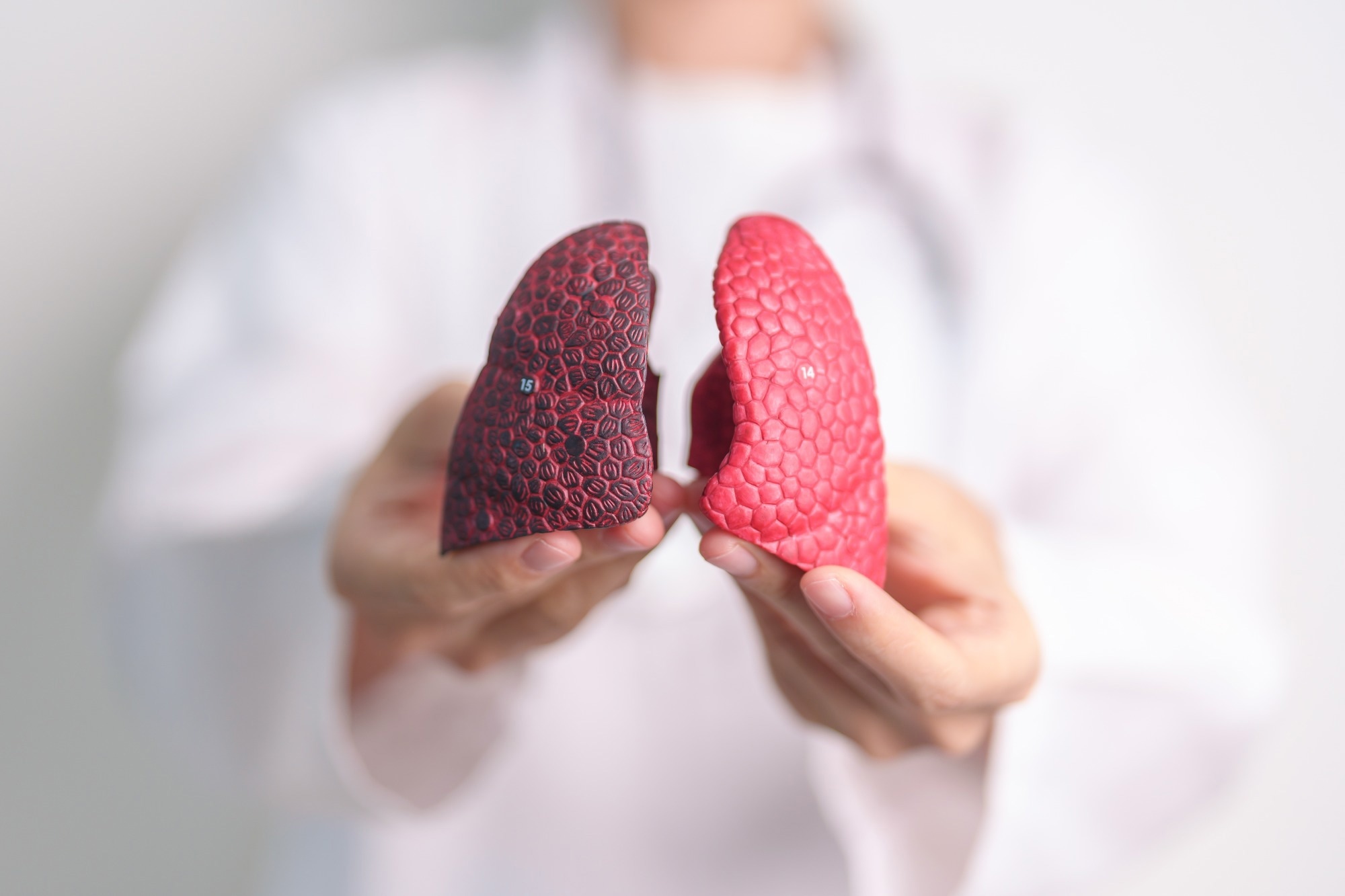
Research into a novel nasal COVID-19 vaccine booster has indicated its potential to enhance mucosal immunity, which may significantly improve protection against SARS-CoV-2 variants. A study published in the journal JCI Insight explored the efficacy of intranasal boosters in a small cohort, highlighting their ability to stimulate immune responses that intramuscular vaccines have been unable to fully achieve.
Current intramuscular vaccines are effective at generating blood-based immunity but often fall short in preventing transmission of the virus, particularly in the upper respiratory tract. This deficiency has been linked to the vaccines’ limited ability to induce a robust immune response in the nasal and throat areas, where the virus primarily enters the body. The recent study, however, focused on immune responses rather than clinical outcomes of transmission.
The research team, led by Dr. Sheng Chen, examined the effects of the Ad5-S-Omicron vaccine, an adenovirus-based platform encoding the spike protein of the Omicron BA.1 variant. Participants received two doses of the intranasal booster following their initial vaccinations. The study involved detailed antibody analyses with six volunteers, cytokine profiling with eight participants, and extensive monoclonal antibody studies primarily from a single donor.
Mucosal Immunity and the Role of Secretory IgA
The findings revealed that the intranasal booster effectively “reprogrammed” existing immune memory from previous vaccinations, leading to a significant increase in Secretory IgA (sIgA) antibodies. These novel antibodies proved to be significantly more effective at neutralizing Omicron variants compared to standard blood antibodies, showing increases in potency of up to 813-fold against the XBB.1.5 variant.
Secretory IgA plays a critical role in mucosal immunity. Unlike single-unit antibodies found in the bloodstream, sIgA is a dimeric structure specifically adapted to function on mucosal surfaces. It acts as a protective barrier, neutralizing pathogens before they can penetrate epithelial cells. Despite its importance, the mechanisms that facilitate the recruitment of anti-SARS-CoV-2 antibodies to the nasal cavity remain poorly understood.
Study Methodology and Findings
The research employed advanced multi-omics methodologies to analyze immune responses, including Mass Spectrometry of Immunoglobulin sequencing (MS Ig-seq) and Single-cell B Cell Receptor sequencing (scBCR-seq). These techniques allowed for a comprehensive understanding of how and when immune responses were activated after the intranasal vaccination.
Key results showed that purified nasal sIgA was significantly more potent than serum IgG, with 17-fold greater efficacy against the original virus and even higher against various Omicron subvariants. The nasal booster not only generated new immune cells but also stimulated memory B cells created during previous vaccinations, prompting them to switch from generating IgG to producing IgA.
The probability of this class switch increased remarkably to approximately 70.8%, indicating a significant reprogramming of the immune system. After the booster, specific B-cell homing receptors were found to be upregulated, suggesting a targeted response that enhances the localization of antibodies in the nasal cavity.
Despite these promising findings, the study acknowledged that clinical outcomes were not directly measured, and the sample size was relatively small. Furthermore, participants exhibited a 65% reduction in nasal sIgA levels within three months, underscoring the need for regular mucosal boosters to maintain immunity.
The implications of this research could be profound, potentially paving the way for next-generation mucosal vaccines that provide comprehensive protection against COVID-19. However, further studies with larger cohorts are needed to confirm clinical effectiveness and durability of the immune responses observed.
In conclusion, this study represents a significant step toward understanding how nasal vaccines can enhance mucosal immunity, offering a potential strategy to close the gap left by current intramuscular vaccines in the fight against COVID-19.

Moyes Faces Referee Controversy Ahead of Everton vs Chelsea Clash

Man Hospitalised After Assault Outside Shop in Sandwell

Fred MacAulay and Ally McCoist Reunite for Special World Cup Show

NoOnes Targets $1 Trillion Gift Card Market to Enhance Crypto Access

Beloved Actor Matt Clark Passes Away at 89, Fans Mourn Loss

Discover How Milk Thistle Supplements Enhance Liver Health

Irish Community Care Celebrates 60 Years of Support in Liverpool

New Affordable Housing Development Planned for Crawley Site

Millions of Parking Tickets Issued Amid Calls for Reform

Claire Tomlinson Bids Farewell to Sky Sports After 27 Years

Iconic 90s TV Show House Hits Market for £1.1 Million

Nathan Cleary’s Family Celebrates Engagement Amid Romance Rumors

Tributes Flow for Kerry Gentle, Beloved RNLI Volunteer and Artist

Milk Bank Urges Mothers to Donate for Premature Babies’ Health

Shoppers Flock to Discounted Neck Pillow on Amazon for Travel Comfort

Alessia Russo Signs Long-Term Deal with Arsenal Ahead of WSL Season

Nuneaton Town FC Advances Plans for New Stadium in Stockingford

Exploring England’s Cathedrals: A Journey Through History and Architecture
-
 Lifestyle8 months ago
Claire Tomlinson Bids Farewell to Sky Sports After 27 Years
-
 Entertainment11 months ago
Iconic 90s TV Show House Hits Market for £1.1 Million
-
 Sports1 year ago
Nathan Cleary’s Family Celebrates Engagement Amid Romance Rumors
-
 Lifestyle8 months ago
Tributes Flow for Kerry Gentle, Beloved RNLI Volunteer and Artist
-
 Lifestyle1 year ago
Milk Bank Urges Mothers to Donate for Premature Babies’ Health
-
 Lifestyle1 year ago
Shoppers Flock to Discounted Neck Pillow on Amazon for Travel Comfort
-
 Sports12 months ago
Alessia Russo Signs Long-Term Deal with Arsenal Ahead of WSL Season
-
 Sports9 months ago
Nuneaton Town FC Advances Plans for New Stadium in Stockingford
-
 Lifestyle1 year ago
Exploring England’s Cathedrals: A Journey Through History and Architecture
-

 Politics1 year ago
Museums Body Critiques EHRC Proposals on Gender Facilities
-

 Business1 year ago
Trump Visits Europe: Business, Politics, or Leisure?
-

 Lifestyle1 year ago
Japanese Teen Sorato Shimizu Breaks U18 100m Record in 10 Seconds