
Health
New Research Links Aging Sperm RNA to Health Risks in Offspring

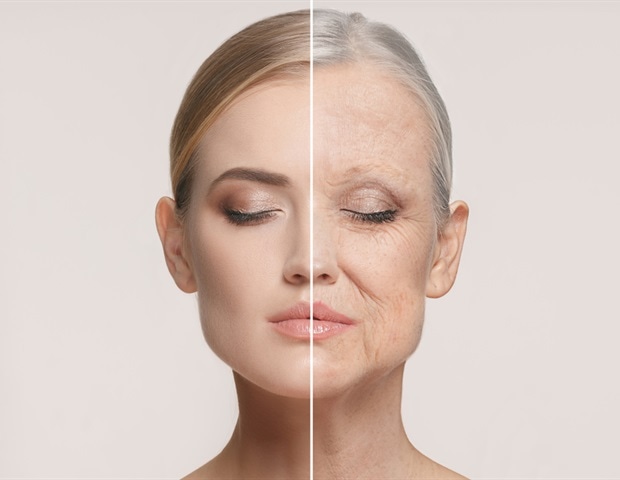
Research from the University of Utah Health reveals that alterations in sperm RNA correlate with increased health risks for offspring connected to advancing paternal age. This groundbreaking study highlights that while most investigations have focused on changes in sperm DNA as men age, it is the RNA content that undergoes significant transformations, potentially affecting metabolism and health outcomes for future generations.
In findings published in The EMBO Journal in March 2026, researchers observed that both human and mouse sperm exhibit similar RNA changes that accelerate dramatically at mid-life. According to Qi Chen, MD, PhD, co-senior author and associate professor of Urology and Human Genetics, the study uncovers a “molecular clock” that ticks with age, suggesting that these shifts may contribute to heightened risks of conditions such as obesity and stillbirth in children conceived by older fathers.
Understanding RNA’s Role in Sperm Health
Previous research by Chen’s lab established that environmental factors, including diet, could alter sperm RNA, impacting subsequent generations. However, the specific RNA molecules critical to these changes remained elusive due to limitations in standard detection methods. The introduction of a novel RNA sequencing technique, known as PANDORA-seq, enabled the team to uncover previously undetectable RNA profiles in sperm.
Utilizing this advanced method, researchers noticed a striking transition in the RNA content of sperm from mice aged between 50 and 70 weeks, marking what they termed an “aging cliff.” As males aged, certain sperm RNA fragments increased in length, contradicting expectations that RNA would mirror the fragmentation seen in aging DNA. Chen remarked, “At first glance, this finding seems counterintuitive. We have known that as sperm age, their DNA becomes more fragmented and broken. Instead, we found the opposite: specific sperm RNAs actually become longer with age.”
These RNA changes could have profound implications for offspring health. When researchers introduced “old RNA” into mouse embryonic stem cells, which closely resemble early embryos, they observed alterations in gene expression linked to metabolism and neurodegeneration. This suggests a potential pathway through which aging sperm RNA may influence the health of future generations.
From Mice to Humans: Validating the Findings
The research team confirmed these RNA changes in human sperm, facilitated by the University of Utah’s unique integration of clinical and research resources. Kenneth Aston, PhD, director of the Andrology & IVF Lab, expressed enthusiasm about this cross-species validation. “Validating this finding from mice to humans was really exciting,” Aston stated.
Co-senior author James M. Hotaling, MD, Chief Innovation Officer at University of Utah Health, emphasized the potential ramifications of this discovery for reproductive health. “This discovery, made possible by PANDORA-seq, could lay the groundwork for future diagnostics to help guide informed reproductive decisions and improve fertility outcomes.”
The research team plans to identify the specific enzymes responsible for the observed RNA changes. Chen noted, “If we can understand the enzymes driving this shift, they could become actionable targets for interventions to potentially improve sperm quality in aging males.”
This innovative study adds significant depth to our understanding of how aging impacts reproductive health and may pave the way for future research aimed at mitigating the risks associated with older paternal age.

Moyes Faces Referee Controversy Ahead of Everton vs Chelsea Clash

Man Hospitalised After Assault Outside Shop in Sandwell

Fred MacAulay and Ally McCoist Reunite for Special World Cup Show

NoOnes Targets $1 Trillion Gift Card Market to Enhance Crypto Access

Beloved Actor Matt Clark Passes Away at 89, Fans Mourn Loss

Discover How Milk Thistle Supplements Enhance Liver Health

Irish Community Care Celebrates 60 Years of Support in Liverpool

New Affordable Housing Development Planned for Crawley Site

Millions of Parking Tickets Issued Amid Calls for Reform

Claire Tomlinson Bids Farewell to Sky Sports After 27 Years

Iconic 90s TV Show House Hits Market for £1.1 Million

Nathan Cleary’s Family Celebrates Engagement Amid Romance Rumors

Tributes Flow for Kerry Gentle, Beloved RNLI Volunteer and Artist

Milk Bank Urges Mothers to Donate for Premature Babies’ Health

Shoppers Flock to Discounted Neck Pillow on Amazon for Travel Comfort

Alessia Russo Signs Long-Term Deal with Arsenal Ahead of WSL Season

Nuneaton Town FC Advances Plans for New Stadium in Stockingford

Exploring England’s Cathedrals: A Journey Through History and Architecture
-
 Lifestyle8 months ago
Claire Tomlinson Bids Farewell to Sky Sports After 27 Years
-
 Entertainment11 months ago
Iconic 90s TV Show House Hits Market for £1.1 Million
-
 Sports1 year ago
Nathan Cleary’s Family Celebrates Engagement Amid Romance Rumors
-
 Lifestyle8 months ago
Tributes Flow for Kerry Gentle, Beloved RNLI Volunteer and Artist
-
 Lifestyle1 year ago
Milk Bank Urges Mothers to Donate for Premature Babies’ Health
-
 Lifestyle1 year ago
Shoppers Flock to Discounted Neck Pillow on Amazon for Travel Comfort
-
 Sports12 months ago
Alessia Russo Signs Long-Term Deal with Arsenal Ahead of WSL Season
-
 Sports9 months ago
Nuneaton Town FC Advances Plans for New Stadium in Stockingford
-
 Lifestyle1 year ago
Exploring England’s Cathedrals: A Journey Through History and Architecture
-

 Politics1 year ago
Museums Body Critiques EHRC Proposals on Gender Facilities
-

 Business1 year ago
Trump Visits Europe: Business, Politics, or Leisure?
-

 Lifestyle1 year ago
Japanese Teen Sorato Shimizu Breaks U18 100m Record in 10 Seconds