
Health
New Study Links High-Fat Cheese to Lower Dementia Risk

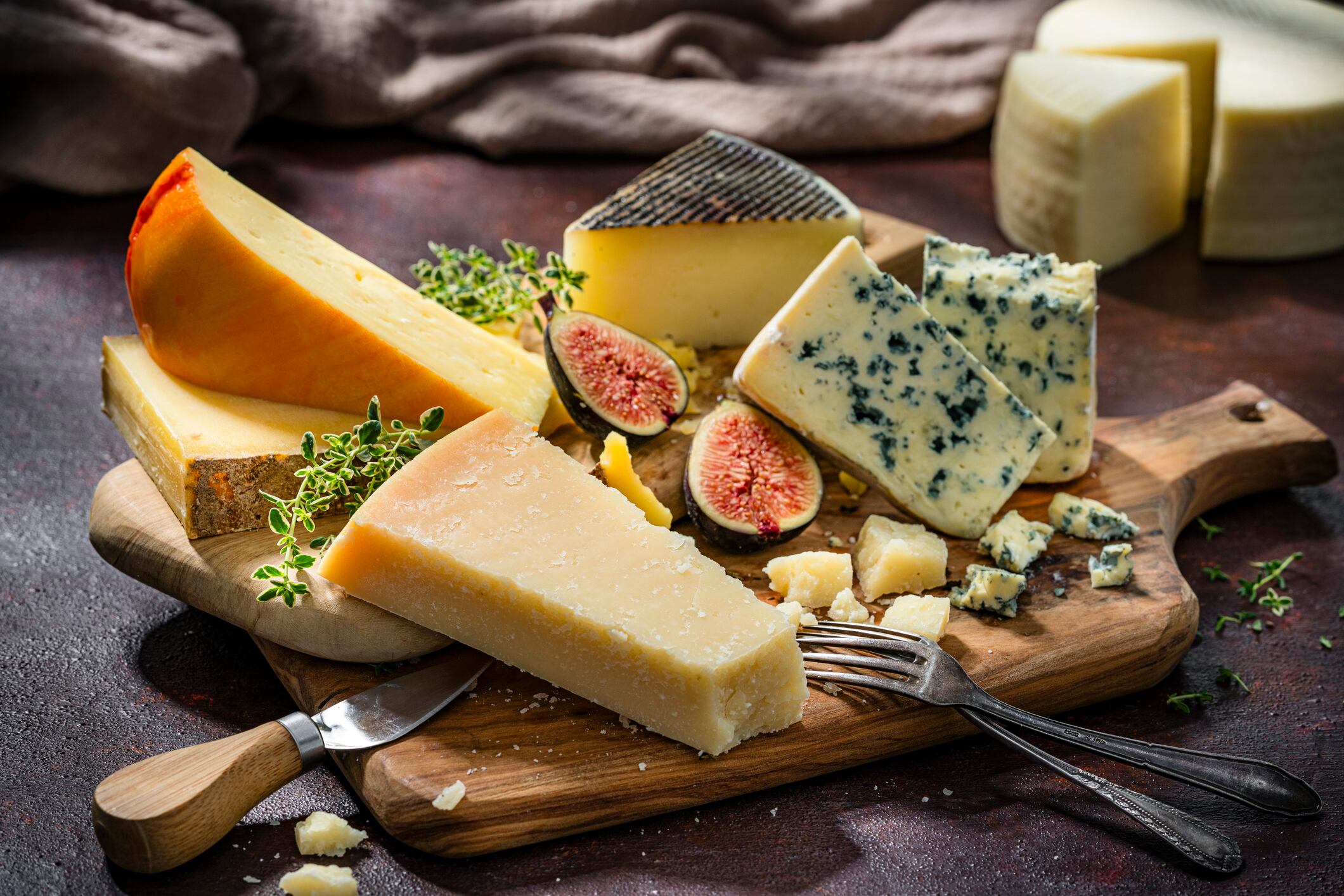
Research has unveiled a potential link between the consumption of high-fat cheeses and a reduced risk of dementia. A study published in the academic journal Neurology indicates that higher intake of high-fat cheeses, such as cheddar, may be beneficial for brain health. The research led by Yufeng Du found that participants consuming high-fat cheese and cream had a lower risk of developing dementia, while low-fat options showed no such association.
The study analyzed data from a Swedish observational cohort of nearly 28,000 adults, where researchers tracked the dietary habits of participants and their subsequent cognitive health. Findings suggest that high-fat dairy products may offer protective effects, particularly for individuals who do not carry the APOE e4 gene, which is associated with Alzheimer’s disease.
Implications for Dairy Innovation
With dementia cases expected to nearly triple from 57 million in 2019 to 153 million by 2050, the urgency of preventive measures becomes paramount. While there is no cure for dementia, the role of dietary choices, particularly dairy, remains a topic of significant research. Understanding how dairy impacts cognitive health could inform product development and innovation within the dairy sector.
The global demand for functional food and beverage options is on the rise, especially those targeting brain health. Market research firm Research and Markets projects that the market for these products will more than double in value, reaching $45.1 billion by 2034, compared to a baseline of $19.6 billion in 2024. For dairy brands, this presents an opportunity to tap into the health and wellness segment while substantiating their claims with scientific evidence.
Revisiting Dietary Guidelines
The study’s findings challenge current dietary guidelines, such as the MIND diet, which recommends limiting cheese intake due to its saturated fat content. This diet suggests that high-fat dairy products should be avoided to reduce the risk of cognitive decline. Yet, the link between high-fat cheese and lower dementia risk, as highlighted in this research, warrants further exploration.
Du and her team propose that the fat content, along with other nutrients like vitamin K2, could play a crucial role in cognitive health. Previous studies, including a 2018 trial by Raziani, support the notion that regular fat cheese does not adversely affect blood lipid levels, a known risk factor for cardiovascular diseases that can also impact cognitive function.
The findings regarding high-fat cream are also notable; however, researchers advise caution, as prior studies have yielded inconsistent results. In contrast, the relationship between butter and dementia risk appears more straightforward, with higher consumption linked to an increased risk of Alzheimer’s disease, though this association varies based on overall dietary quality.
Key takeaways for dairy formulation indicate that while these findings are promising, brands should not prematurely market cheese and cream products as beneficial for cognitive health without further research. Companies like Danone, which invested significant time to secure FDA approval for yogurt’s health claims, exemplify the lengthy process required for substantiating health benefits.
As the landscape of consumer awareness evolves, dairy brands may consider fortification strategies, such as adding vitamin D, to enhance the health appeal of their products without compromising taste. This could pave the way for premium ranges of cheese that align with the growing consumer interest in health-focused options.
In conclusion, while the study led by Yufeng Du marks a significant step in understanding the relationship between high-fat dairy and cognitive health, additional research is essential. The potential implications for product development could reshape the dairy industry’s approach to health and wellness, making it a vital area of exploration in the coming years.

Moyes Faces Referee Controversy Ahead of Everton vs Chelsea Clash

Man Hospitalised After Assault Outside Shop in Sandwell

Fred MacAulay and Ally McCoist Reunite for Special World Cup Show

NoOnes Targets $1 Trillion Gift Card Market to Enhance Crypto Access

Beloved Actor Matt Clark Passes Away at 89, Fans Mourn Loss

Discover How Milk Thistle Supplements Enhance Liver Health

Irish Community Care Celebrates 60 Years of Support in Liverpool

New Affordable Housing Development Planned for Crawley Site

Millions of Parking Tickets Issued Amid Calls for Reform

Claire Tomlinson Bids Farewell to Sky Sports After 27 Years

Iconic 90s TV Show House Hits Market for £1.1 Million

Nathan Cleary’s Family Celebrates Engagement Amid Romance Rumors

Tributes Flow for Kerry Gentle, Beloved RNLI Volunteer and Artist

Milk Bank Urges Mothers to Donate for Premature Babies’ Health

Shoppers Flock to Discounted Neck Pillow on Amazon for Travel Comfort

Alessia Russo Signs Long-Term Deal with Arsenal Ahead of WSL Season

Nuneaton Town FC Advances Plans for New Stadium in Stockingford

Exploring England’s Cathedrals: A Journey Through History and Architecture
-
 Lifestyle8 months ago
Claire Tomlinson Bids Farewell to Sky Sports After 27 Years
-
 Entertainment11 months ago
Iconic 90s TV Show House Hits Market for £1.1 Million
-
 Sports1 year ago
Nathan Cleary’s Family Celebrates Engagement Amid Romance Rumors
-
 Lifestyle8 months ago
Tributes Flow for Kerry Gentle, Beloved RNLI Volunteer and Artist
-
 Lifestyle1 year ago
Milk Bank Urges Mothers to Donate for Premature Babies’ Health
-
 Lifestyle1 year ago
Shoppers Flock to Discounted Neck Pillow on Amazon for Travel Comfort
-
 Sports12 months ago
Alessia Russo Signs Long-Term Deal with Arsenal Ahead of WSL Season
-
 Sports9 months ago
Nuneaton Town FC Advances Plans for New Stadium in Stockingford
-
 Lifestyle1 year ago
Exploring England’s Cathedrals: A Journey Through History and Architecture
-

 Politics1 year ago
Museums Body Critiques EHRC Proposals on Gender Facilities
-

 Business1 year ago
Trump Visits Europe: Business, Politics, or Leisure?
-

 Lifestyle1 year ago
Japanese Teen Sorato Shimizu Breaks U18 100m Record in 10 Seconds